Tucked between Fayetteville and Springdale along Clear Creek, Johnson packs a lot of character into a small footprint, from the historic mill and the older homes around it to the upscale subdivisions filling in fast on either side of I-49. The spring-fed creek, the wooded greenway, and the steady construction all give spiders somewhere to thrive, and they move into the century-old houses and the brand-new builds with equal ease. When they show up, Fairway Lawns clears them out, names the species, and corrects the conditions that drew them. Our Springdale-based team is minutes away and serves Johnson and the surrounding Washington County area with licensed pest control and a satisfaction guarantee.
It signals a food source already settled in nearby
A spider plants itself wherever meals are easy to come by, so a web in the corner of the garage or a sighting along the baseboard generally tells you insects are already plentiful close at hand. Johnson hands spiders that advantage on two fronts. The damp, shaded ground along Clear Creek and the wooded greenway holds the moisture that draws insects and the spiders that hunt them, while the rapid infill building across town churns up soil and nudges pests toward fresh foundations. The single spider you notice is really a heads-up worth heeding.
Two Washington County residents merit extra care: the brown recluse and the black widow. The recluse tucks into dim, undisturbed places such as attics, garages, closets, and stored boxes, and its bite can grow into a wound that is slow to mend. The widow prefers woodpiles, rock borders, crawl spaces, and the shadowed undersides of decks and porch furniture, and its bite can land you at the doctor. Telling these two apart from the harmless majority is precisely why identification steers the whole treatment.
A can off the store shelf will not put the issue to bed. It catches only the spiders in the open, leaves the egg sacs to produce the next wave, and never touches the insects that keep luring spiders in. Our licensed technicians inspect the home, confirm what is present, treat the active zones and the paths inside, and put prevention in place so the calm lasts. Each appointment starts with a walkthrough and an upfront estimate.

Lasting results come from treating the whole picture
We pin down the species, trace how they are getting in, locate the webs and harborage, and check for the moisture and insect activity feeding it all.
We treat the places spiders live and move through, with perimeter applications outside, web and egg sac cleanup, crack and crevice work, residual products, and pinpointed interior treatment where called for.
We point out the entry points to seal, suggest clearing clutter and easing mulch back from the foundation, and address moisture, then arrange a schedule with follow-ups.
We keep tabs on it with repeat inspections and seasonal stops, every bit of it backed by our guarantee. If spiders come back between services, we return and treat again.
Species determines the strategy
The spider Johnson homeowners most need to know. At home throughout Washington County, the recluse withdraws into dark, seldom-touched spots like attic insulation, garage corners, storage boxes, and wall voids. Small and tan with a fiddle-shaped mark, it calls for added caution because a bite can quietly become a wound that heals slowly, a real concern in the older homes near the historic mill.
Known by its glossy black body and the red hourglass underneath. Widows settle into woodpiles, rock borders, crawl spaces, and the shaded undersides of decks and outdoor furniture. They keep to themselves and rarely bite, but their venom is strong enough to warrant a doctor’s visit, particularly for children and pets.
Heavy-bodied, quick hunters that prowl at ground level and slip indoors when the nights cool. Their size is unnerving, but they are harmless, and they tend to surface near doorways, in garages, and along baseboards.
The steady weavers behind the cobwebs in ceiling corners and window tracks. They do no harm, though their webs and egg sacs accumulate quickly when nobody clears them.
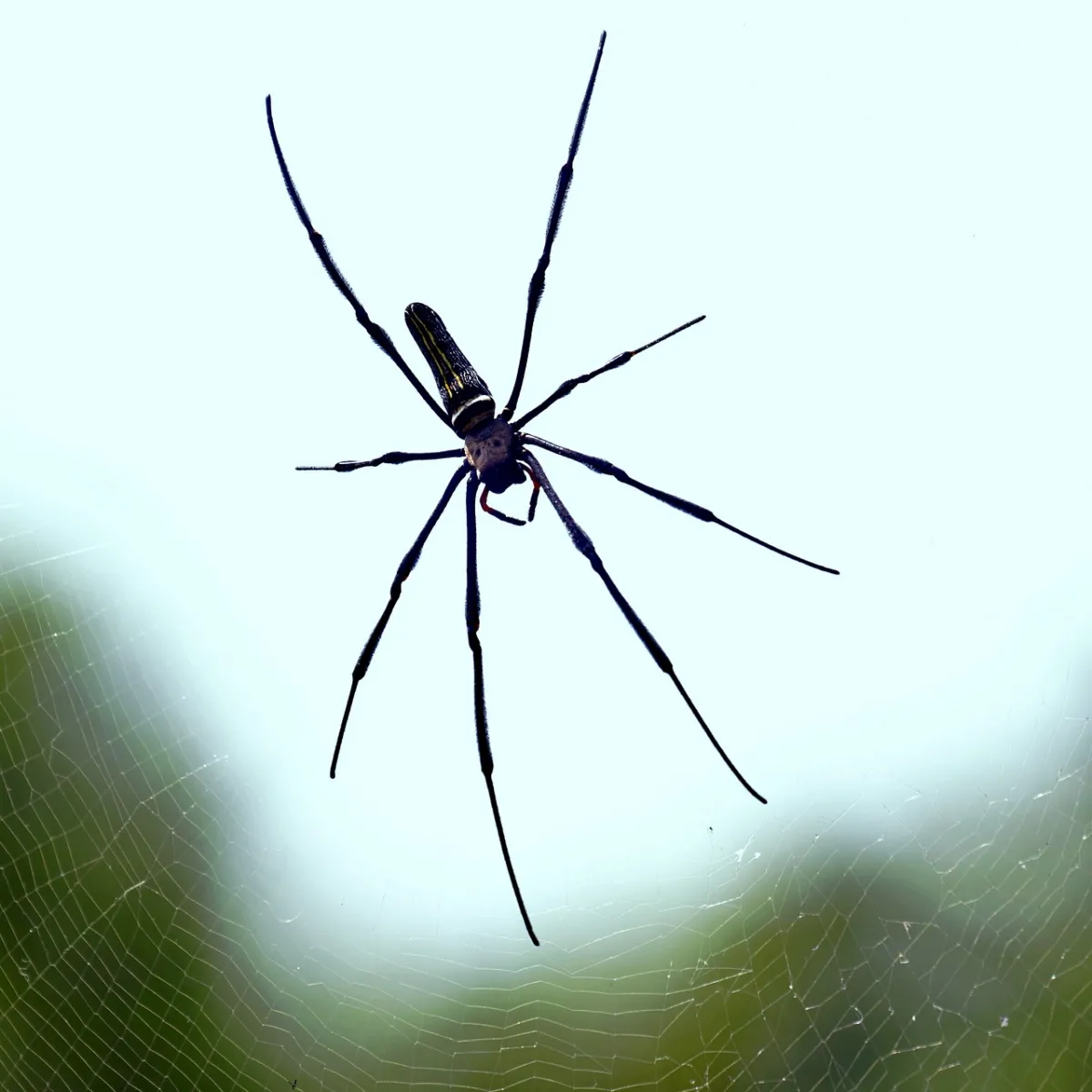
Slim and long-limbed, dangling in tangled webs through basements and crawl spaces, which Johnson’s creekside lots tend to keep damp. Harmless themselves, they signal the moisture and insect activity that bring in tougher pests.
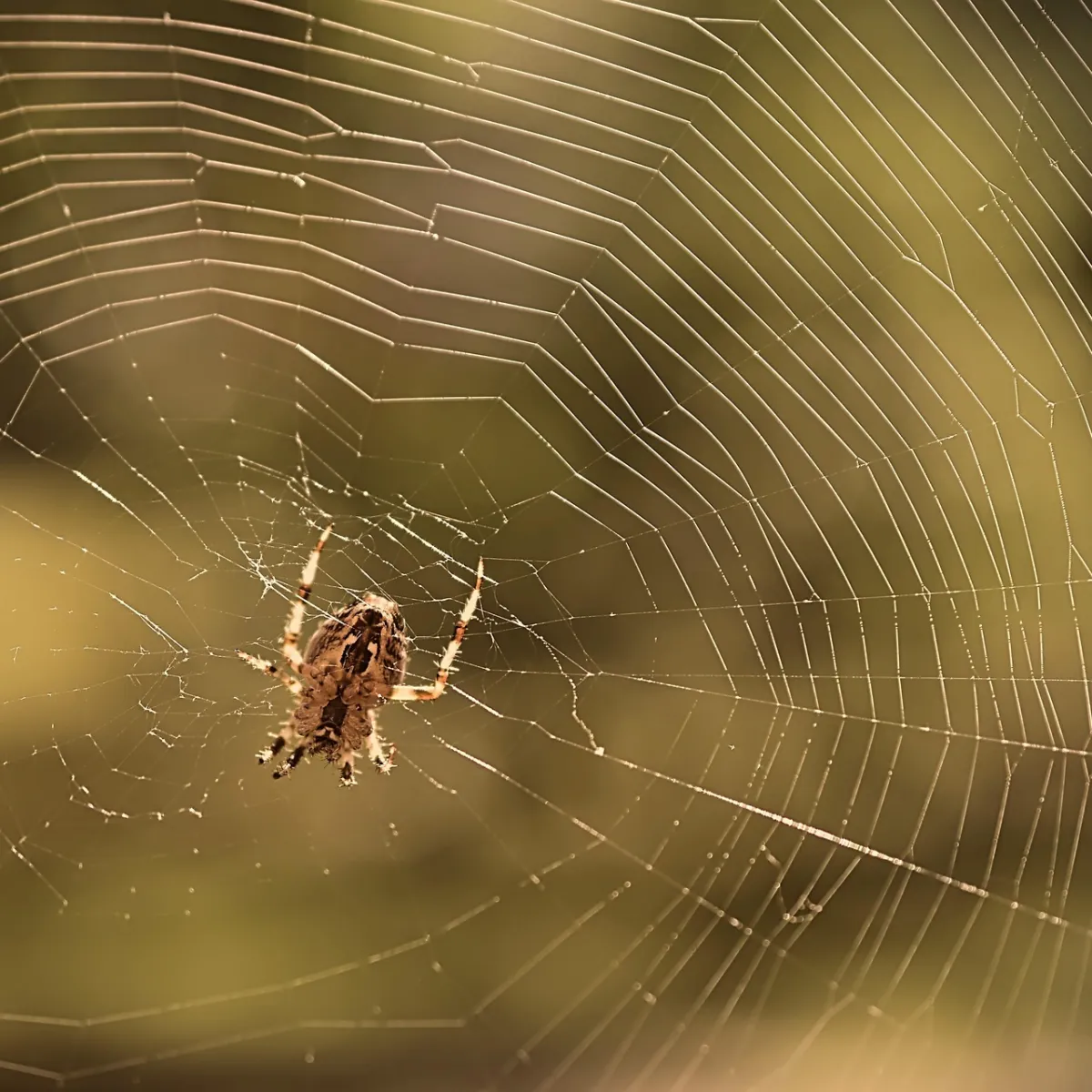
The makers of the wide, wheel-shaped webs that stretch across porches, eaves, and garden beds from late summer on. They stay outdoors and threaten no one, even if a fresh web across the walk is an early-morning nuisance.
Small, alert, and quick to hop along sunlit siding and sills. They cause no harm and earn their place by hunting other insects.
The clues stack up before you would call it an infestation
– Fresh webbing in corners, window frames, eaves, and along garage and basement walls
– Spiders appearing indoors more often, particularly as autumn arrives
– Round, papery egg sacs tucked into the webbing
– Insect carcasses gathering in webs and along windowsills
– Spiders resurfacing in basements, crawl spaces, attics, and garages
– Activity that returns no matter how often you sweep or spray
Spiders head indoors for reasons you can change
Around Johnson, a few things tend to draw spiders inside:
– They are pursuing the insects that make up their diet
– They want shelter and steadier warmth as the season turns
– They gravitate toward damp basements and crawl spaces, common on creekside lots
– Cool Ozark autumns drive them in to overwinter and breed
– Nearby infill construction disturbs the ground and sends pests looking for cover
– Woodpiles, mulch, and shrubs against the foundation hand them an easy way in
Spiders take over the quiet, rarely-touched parts of a home
– Basements, crawl spaces, attics, and garages
– Closets, storage rooms, and crowded shelves
– Behind furniture and among stacked boxes
– Window corners and roof eaves
– Sheds, decks, and woodpiles
– Mulch beds and thick plantings against the house
– Foundation cracks and gaps around pipes and vents
Spider activity follows the Washington County calendar
Spring: As Johnson warms, insects return, spiders begin breeding, and the first outdoor webs appear along eaves, decks, and gardens.
Summer: The busy season outdoors. Warm, humid stretches, more so along the creek, keep insects abundant and webbing thick around the perimeter.
Fall: The stretch of the year when sightings inside the home rise. The first cool nights push spiders inside for warmth and mating, and that is when most homeowners begin to notice them.
Winter: Outdoor activity winds down, but indoor encounters carry on in heated garages, basements, and crawl spaces where spiders have holed up.
A spray bottle treats the symptom, not the source
Store sprays reach only the spiders in plain view, while the egg sacs hatch a fresh crew within days. Spiders wedge into spots those products cannot reach, and a quick mist does nothing about the insects pulling them in. Professional service closes that gap with residual treatments, integrated pest management, preventative barriers, and ongoing monitoring, so the trouble does not simply regroup a couple of weeks down the line.
A few habits at home keep spider activity in check
– Seal cracks and openings around the foundation, doors, and utility lines
– Mend torn screens on windows and doors
– Clear clutter from basements, attics, garages, and closets
– Move woodpiles off the house and ease mulch back from the foundation
– Trim shrubs and plantings away from exterior walls
– Vacuum often and take down webs and egg sacs the moment you see them
– Switch to yellow or LED exterior bulbs that attract fewer insects
– Stay ahead of leaks and damp spots, common on creekside lots
Effective treatment and a safe home go together
Our spider control is handled by licensed, state-certified applicators trained to treat thoroughly while keeping your household in mind. We apply everything with care and by the label, provide options mindful of family and pets, and go over any easy post-treatment steps with you.
Local know-how turns a single visit into lasting relief
– Licensed and insured, with applicators certified through the Arkansas State Plant Board
– A Springdale-based team minutes away that knows Johnson, from the older homes near the mill to the new subdivisions filling in along I-49
– 100% satisfaction guarantee, with free re-treatment if spiders return between visits
– Rated 4.5 out of 5 across more than 78,000 homeowners in the Southeast
– Seasonal maintenance plans for year-round protection
– Trained technicians, quick response, and scheduling that fits your week
– No long-term contracts
Straight answers make spider control easy to plan
When the webbing keeps coming back or recluse and widow sightings have you concerned, we are ready to step in. Get in touch with Fairway Lawns by phone or book a free inspection online, and our Springdale crew will diagnose the situation, treat it where it starts, and set up prevention so it does not return. We serve Johnson and the surrounding Washington County area with fast, flexible scheduling.