In Springdale, a couple of weeds can turn into a patch problem fast.
Weed control services in Springdale, AR help manage weeds that spread through thin turf, show up after storms, and pop along driveway edges and high-use areas. The goal is simple: reduce weeds, protect the grass you want, and keep the lawn from getting that uneven, worn-out look.
In Northwest Arkansas, lawns get hit with a mix of rain, humidity, and heat, plus the kind of seasonal swings that can bring different weeds at different times. Some yards are sunny and dry out quickly. Others hold moisture after storms. Either way, weeds love the weak spots, and they rarely stop at “just a few.”
We focus on prevention, active control, and turf support so the lawn can stop giving weeds free space.
Pre-emergent weed control helps reduce certain weeds before they establish. In Springdale, this helps limit the heavy breakthrough that can show up once the season warms and everything starts growing at once.
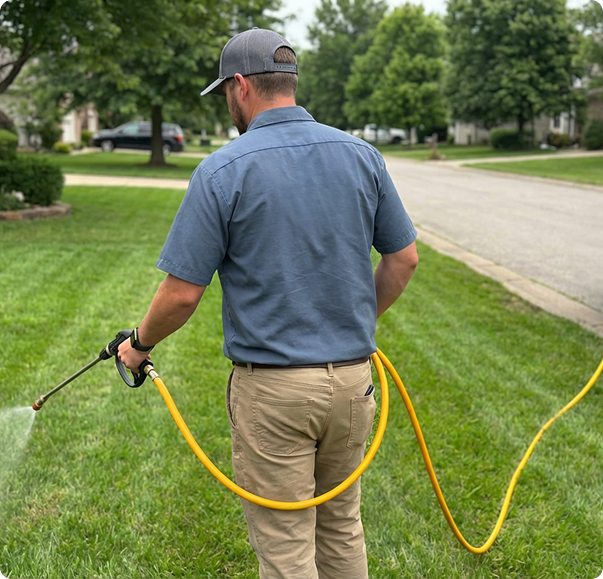
Post-emergent treatments address weeds that are already visible, whether they are scattered across the lawn or concentrated in certain stress zones.
Broadleaf weeds often move into thin turf and spread after weather changes. These can stand out quickly and make the lawn look rough even when it is being mowed regularly.
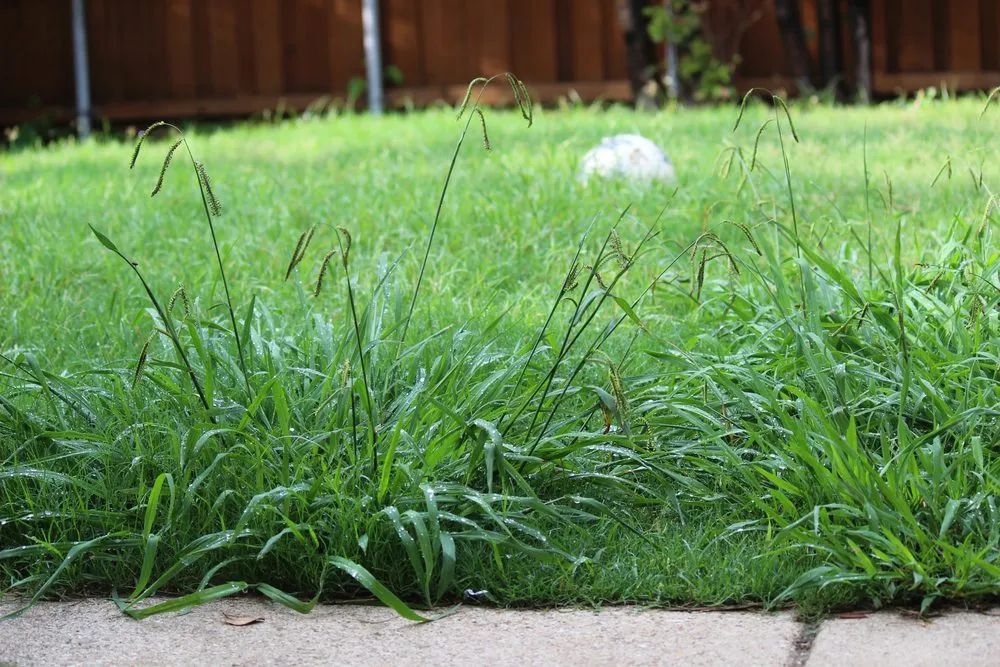
Grassy weeds can spread aggressively in warm weather, particularly in open, sunny areas or along edges where turf struggles to stay dense.
If your weeds are mostly in one corner, along a fence line, or in the curb strip, targeted treatment keeps service focused where it is needed most.
Weeds do not hit Springdale lawns once per year and call it a day. Seasonal prevention helps reduce the next round before it has a chance to build.
After rain, heat, or stress, weeds can rebound quickly. Follow-up helps keep pressure from rebuilding.
Weed control matters in Springdale because weeds take advantage of turf that is already stressed by weather swings.
Weeds compete with turf for water, nutrients, sunlight, and space. When they spread, grass often gets thinner, which makes it even easier for weeds to take over. That feedback loop is why weed control is more than a cosmetic service.
In Springdale, lawns often get stressed by:
· heavy rain followed by quick warm-ups
· compacted soil in newer neighborhoods
· shaded sections that never quite thicken up
· high-traffic areas near gates, patios, and play zones
· edge strips along sidewalks and driveways that wear down
A good weed plan protects the lawn’s growing space so turf can fill in instead of constantly losing ground.
Identifying the weed matters, because the wrong timing wastes effort and lets it spread.
Broadleaf weeds often show up in thin turf and can spread quickly after seasonal shifts. They tend to stand out visually, especially in front yards and high-visibility areas.
Grassy weeds can blend in early, then spread into patches that disrupt the lawn’s look and texture, especially in warm weather and sunny sections.
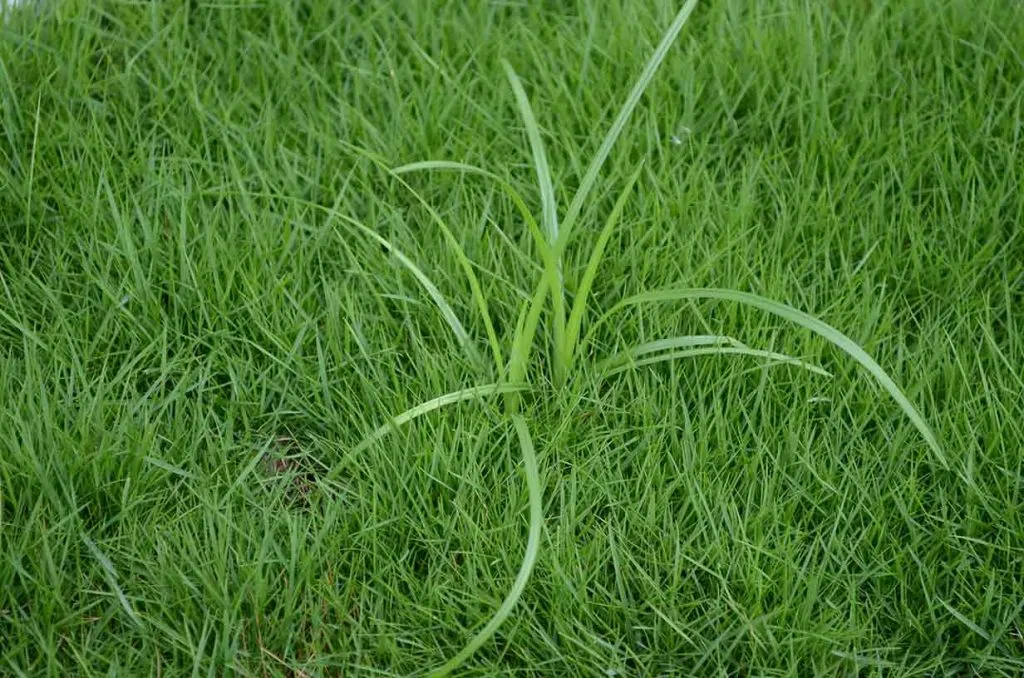
Nutsedge and similar weeds are common in areas that stay damp or get overwatered. These weeds often signal that the lawn’s moisture pattern needs attention, not just treatment.
Weeds along driveways, patios, walkways, and curb lines are common because turf breaks down faster there and soil is often compacted.
A steady process is what keeps Springdale lawns from feeling like they’re starting over every season.
We review turf density, stress zones, drainage behavior, sun and shade patterns, and where weeds are most active.
We identify the weeds present so the treatment plan matches what is actually growing.
Your plan is built around your lawn’s condition, the season, and the type of pressure you are dealing with.
Treatments are applied based on need, with turf performance in mind.
We track progress and watch for breakthrough after weather shifts, especially after rain-heavy periods.
Springdale weed control works best when the plan changes with the season instead of reacting late.
Spring is often the make-or-break window for prevention and early correction, especially before warm-season weeds get established.
Summer brings heat stress that can thin turf. Weed pressure often increases along hot edges and in lawns with inconsistent watering.
Fall can bring another wave of weeds as temperatures cool. Addressing fall pressure helps reduce what would otherwise carry into spring.
Growth slows, but mild stretches can still produce weed activity in thin areas.
Some homeowners want a lighter approach, but it has to be paired with turf strength to hold up.
When weed pressure is limited, selective treatment may be a better fit than broad application.
A thicker lawn naturally blocks weeds. Supporting turf density can reduce how much correction is needed later.
If weeds are heavy across the lawn, stronger correction is often needed first. After that, a lighter maintenance approach may be possible.
Local timing and consistent follow-through are what make weed control feel reliable in Springdale.
Weed control pricing should make sense for the lawn you have, not a generic estimate.
Pricing can vary based on lawn size, weed coverage, turf condition, and whether prevention and follow-up are needed.
Factors often include lawn size, severity of weed pressure, turf density, treatment frequency, and how many areas need focused attention.
A lawn evaluation helps determine what is happening and what kind of plan fits.
We recommend what matches the lawn, not what looks biggest on paper.
The most common questions come from homeowners who feel like weeds return the minute they stop paying attention.
If your lawn is getting overrun along edges, thinning out in the same zones, or picking up weeds after every storm cycle, Fairway Lawns can help. We will evaluate your Springdale property, explain what is driving the weed pressure, and recommend a plan that fits your lawn and your season.