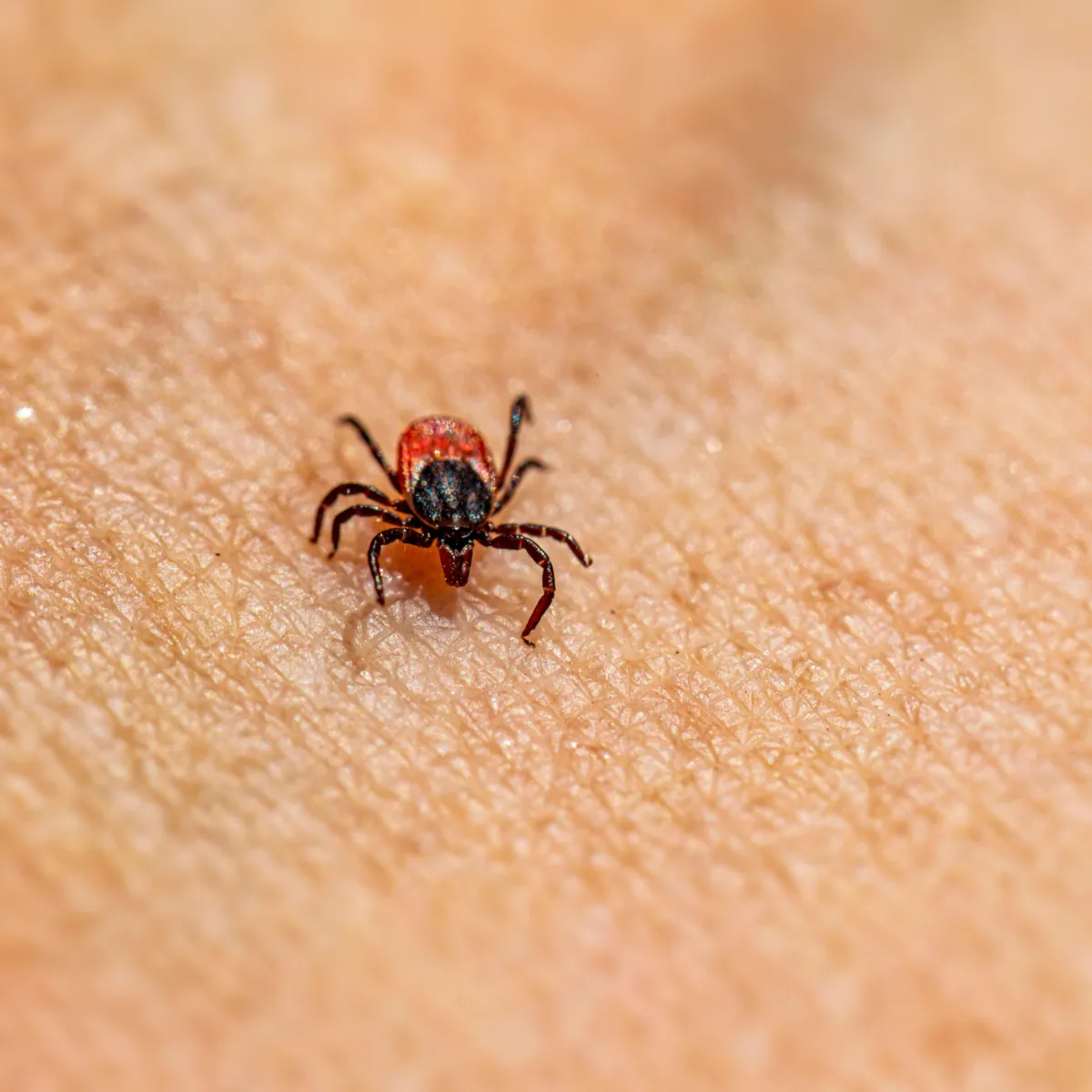
A leafy lot can look perfectly inviting while quietly giving ticks everything they need to stay
Broken Arrow sits in some of the greenest territory in the Tulsa metro, and all that shade, creek frontage, and mature tree cover is exactly what ticks look for when they move into a yard. A lawn can look healthy and a patio can look ready to use right up until ticks start turning up along the edges, and once that happens the whole space begins to feel less dependable. What drives the change usually isn’t the open grass at all. It’s the sheltered pockets of the property that hold activity in the background.
Fairway Lawns provides professional tick control in Broken Arrow, OK for homeowners who want to cut down tick activity before it keeps interrupting ordinary time outdoors. Our service treats the sections of a property where ticks are most likely to stay active, especially where heavier cover, moisture, shade, and regular foot traffic all meet. Single visits and recurring protection are both available, a free quote comes first, and on a recurring plan we return to re- treat if activity climbs back up between visits.
Knowing which corner of the property is actually driving the problem changes how the whole treatment is built
Tick pressure rarely spreads evenly across a yard. Some Broken Arrow properties carry broad, open lawn yet hold most of their risk along a single fence line, beside a shed, or against a strip of vegetation that stays cooler and damper than everything around it. Others have low spots that trap moisture, beds planted thick enough to block the sun, or a side yard that sits in shade most of the day. Those quiet differences usually explain why activity keeps returning to the same places.
Our work begins with a property assessment that pinpoints the sections most likely to support ticks and the outdoor areas you most want kept clear. Treatment is then aimed at those source zones and the nearby spaces where people and pets actually spend time, lawns, patios, play areas, pet runs, pool surrounds, outdoor seating, border grass, landscape beds, and the protected edges of the lot. Disrupting the conditions that let ticks return matters far more than waiting for the same flare- up to repeat.

Tick trouble tends to feel sudden only because so much of it builds out of sight
Ticks are more than an itch you brush off, because they can carry illness that affects both people and the dogs sharing the yard, and they stay easy to miss until after they’ve bitten. Plenty of households don’t realize the yard is feeding activity until one turns up on a pet, on a pant leg, or after an afternoon in a corner that never seemed like a concern. Since a bite is often painless, the whole issue can feel like it appeared overnight even when it had been building for weeks.
Eastern Oklahoma gives ticks plenty to work with. Warm, humid stretches from spring into fall, paired with the wooded lots, creek corridors, and dense landscaping common across Broken Arrow neighborhoods, create the damp, shaded habitat they prefer. A tidy yard isn’t automatically a tick- free one, and sometimes only a few protected pockets keep the cycle running. Treating the property on a schedule knocks the population down at its source, rather than leaving you to react after ticks have already reached the spaces you use most.
The riskiest stretches of a yard are almost always the ones holding shade and moisture closest to the ground
Ticks rarely sit out in open sun, so the trouble spots are almost always the parts of the yard you walk past without a second look. Tall grass and overgrown brush give them a place to climb and wait, while leaf litter, wood stacks, and the cool gap underneath a deck hold the moisture they need to survive. Fence lines and the mulched beds running along the foundation make natural travel lanes for them.
Anything close to a wooded border, a shed, a back gate, the kids’ play set, sits right in the path of ticks hitching in on deer, rabbits, and rodents. Pet areas matter especially, since dogs tend to run the same narrow routes again and again. Damp, shaded edges where the lawn never fully dries deserve the closest attention, because they can stay favorable long after the open middle of the yard has dried out.
Lasting results come from working the property in a deliberate order rather than spraying it all the same
Every property reads a little differently, so the plan gets shaped around what we find on the ground rather than a fixed script. Here’s how a treatment generally unfolds.
We walk the yard first to read the layout, shade, moisture retention, grass height, vegetation thickness, pet movement, and the spots where open lawn gives way to heavier cover. That walkthrough tells us where ticks are most likely concentrated and where treatment will do the most good.
Once the likely zones are flagged, application is directed at the sections where ticks shelter: perimeter grass, bed lines, fence edges, low damp corners, shaded side strips, and similar protected ground. Hitting those areas head- on works far better than spreading product evenly across turf ticks already avoid.
Next comes a treated band around the places you use most. That barrier can run along lawn edges, the foundation perimeter, fence lines, shrubs and landscape beds, tall grass, and wooded borders, then carry on to the ground beneath decks, the areas around sheds, pet runs, play areas, patio seating, and any heavily shaded or moist stretch where ticks try to push back in.
When the same favorable conditions stay in place, ticks rebuild. Continued service through the active season keeps new arrivals from settling in and holds steadier coverage as the yard changes with the weather.
Protection matters most where daily routines and tick- friendly cover quietly overlap
For a lot of households, tick control becomes a priority because of how the yard gets used every day. Dogs cut through border grass and shaded routes without slowing down, and a happy lap through the back corner is one of the most common ways a tick rides indoors. Children use lawns, patios, and play areas without noticing where the sheltered sections start, and a bite is easy to overlook on a kid who’s busy playing.
Professional treatment lowers that exposure before it reaches the back door. With the pressure down, the spaces you’ve been steering around open back up, the patio, the deck, the pool surround, the fire pit on a cool evening, the garden beds, the open lawn, the pet runs, and the spot where you set the table for dinner outside.
As the calendar turns, the parts of the yard that favor ticks shift right along with it
Spring is when things wake up. As the ground warms across eastern Oklahoma and lawns green up, ticks break dormancy and start questing for a host, which makes early- season treatment a smart way to catch that first push before it settles in along shaded edges and bed lines. Summer keeps the humidity high and the watered, shaded parts of a yard comfortable for ticks even while the open turf bakes, and heavy outdoor use through these months is exactly when treated borders and pet areas prove their worth.
Fall fools plenty of people into thinking the threat has passed, but activity can carry well into autumn, with falling leaves piling up fresh shelter and certain ticks still hunting long after the pool gets covered. Rain ties the whole pattern together, because every soaking storm resets the moisture ticks rely on, open lawn dries quickly, while low spots, creek edges, and shaded strips hold dampness far longer and stay favorable when the rest of the yard has moved on.
Pinpointing the few square feet behind the pressure is what separates a real fix from a temporary one
Effective tick control depends on finding where the pressure truly starts, and on many properties the most important problem area isn’t the biggest one. It might be a shaded strip beside the garage, a damp run along the fence, or a bed line that keeps holding cover week after week. Fairway Lawns approaches every treatment with that yard- specific focus rather than treating each lot like a blank page.
Homeowners pick us for trained local technicians, licensed and insured service, pricing laid out plainly, and a free quote from a crew that understands how Tulsa- area conditions feed tick activity. Recurring plans are available for households that want steady coverage, treatments are chosen with pets and children in mind, and if ticks return between scheduled visits we’ll come back and re- treat. Since we handle a range of outdoor pests beyond ticks, the same crew can step in on other issues around the property when they crop up.
What you do between visits decides how hard each treatment has to work
You can make professional treatment go further by trimming back the conditions ticks prefer. Keeping the grass cut and the shrubs tidy lets more sun and air reach the soil, leaving less of the low, hidden shelter ticks depend on. Clearing leaf piles, stacked wood, and loose debris pulls away the cool, protected pockets near the ground where they tend to wait.
It also helps to keep pet areas maintained, check dogs and cats after they’ve been outside, and avoid drawing rodents and deer, nudging a bird feeder away from the lawn is an easy one. A band of mulch, gravel, or rock between the lawn and a wooded edge gives ticks a dry zone they don’t like to cross, and setting play equipment back from the tree line keeps the kids out of the busiest ground. When the same corners keep causing concern, recurring service is usually the surest way to stop the problem from rebuilding.
Sometimes the need is simple, knock down one active stretch before it spreads
A one- time treatment can make sense when a specific part of the property suddenly needs attention. People often reach for it after spotting ticks near a patio, along a pet route, around thicker planting, or in an area they’re about to use for a party or get- together. It brings activity in that section down quickly and can serve as a starting point before deciding whether ongoing service is the better long- term fit.
Steady protection comes from staying ahead of the season instead of chasing the same flare- ups
Recurring tick control is usually the stronger choice for homeowners who want lasting protection rather than a short reprieve. Because activity returns as weather, growth, and moisture shift through the season, regular treatments address new pressure before it takes hold. That steady coverage also lowers the odds that the same hidden corners of the yard will keep generating the same trouble again.
Homes nearby with the same shaded, damp layout often carry the very same tick pressure
Fairway Lawns provides tick control for Broken Arrow homeowners who want help protecting lawns, patios, pet spaces, and other outdoor areas from recurring activity. Nearby properties across the Tulsa metro that share the same conditions, shaded edges, retained moisture, heavier border growth, and steady outdoor family use, often benefit from the same approach. If you’re near the city limits and unsure whether you’re in range, it’s worth asking, because our service area reaches well past the line.
The questions that come up most tend to circle back to the same trouble spots in the yard
If ticks are making your yard harder to enjoy, Fairway Lawns can help with treatment built around the places where activity tends to begin. Whether the trouble is along a wooded back line, a shaded side strip, a pet path, or the landscaped edge nearest the patio, our crew can inspect the property, treat the right sections, and recommend a plan that fits the way your yard is actually used. Book your treatment today, or reach out to schedule a visit and request your free quote.