
Inspection, mound treatment, and ongoing protection
Fire Ant Control in Broken Arrow, OK
Fire ant mounds showing up in your Broken Arrow yard? Fairway Lawns identifies the species, treats the colony, and protects your lawn. Call (918) 585- 3400.

Inspection, mound treatment, and ongoing protection
Fire ant mounds showing up in your Broken Arrow yard? Fairway Lawns identifies the species, treats the colony, and protects your lawn. Call (918) 585- 3400.
Understanding the fire ant threat in Broken Arrow
Broken Arrow sits at the northern edge of fire ant territory in Oklahoma. Red imported fire ants have pushed into the Tulsa metro, including communities throughout Tulsa County, but the colder winters here keep their populations thinner than what you’d find two or three hours south. That’s the good news. The complication is that Broken Arrow’s rapid growth, with new subdivisions, sod installations, landscaping projects, and soil disturbance happening all over the south and east sides of the city, creates exactly the conditions that allow fire ants to move in and establish.
If you’ve found a mound in your yard, the first step is confirming what you’re dealing with. Several native Oklahoma ant species build mounds that look similar, and treating the wrong pest wastes time and money. Our Tulsa team inspects, identifies, and, if it’s red imported fire ants, treats the colony at its source.
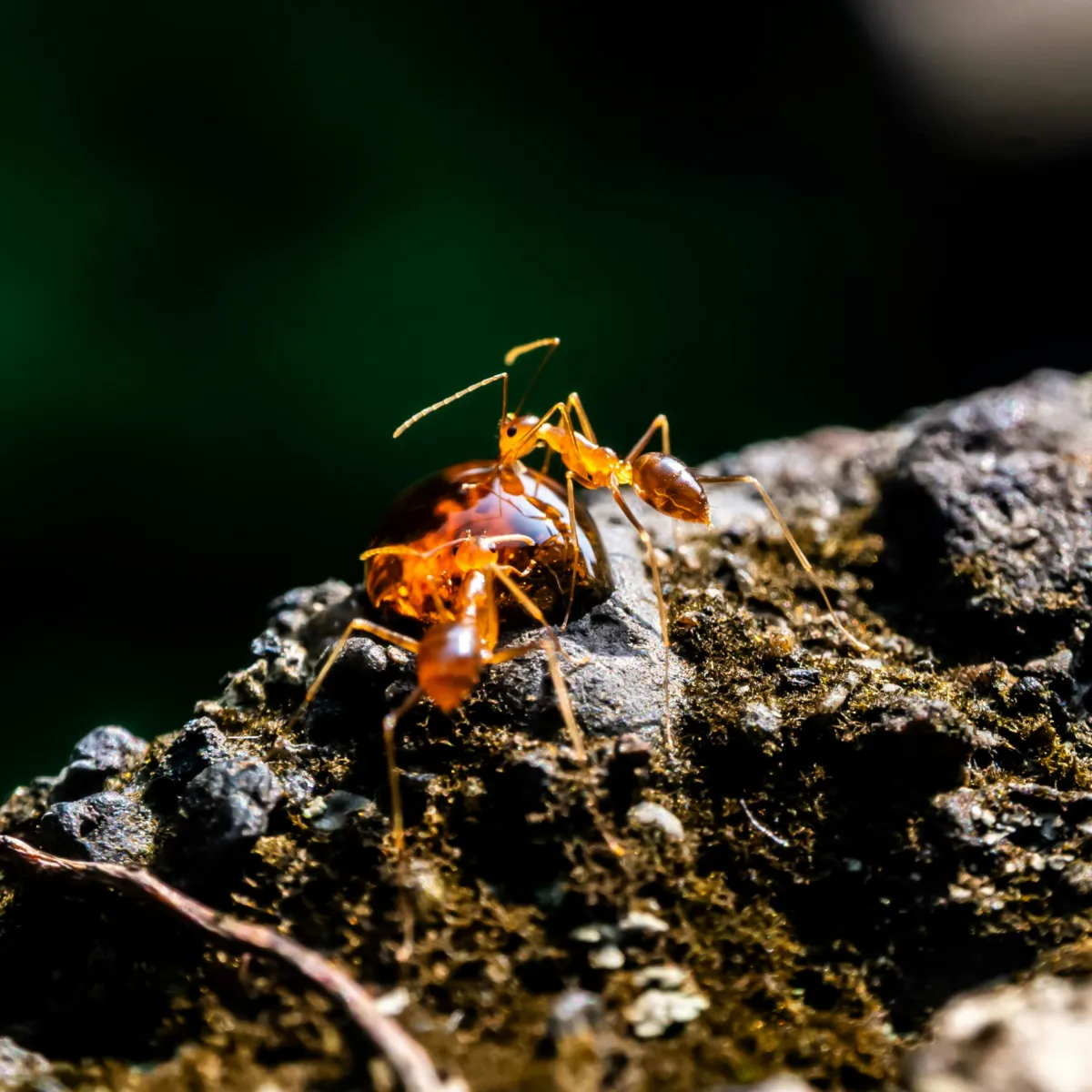
How fire ants get into Broken Arrow yards
New construction is the most common pathway. Fire ants move with nursery stock, sod, and fill dirt, materials that travel constantly around a fast- growing city like Broken Arrow. A landscape installation in a new neighborhood near Elm Creek or along the south side of town can introduce a colony that would never have arrived on its own. They’re also capable of migrating on their own in warm conditions, moving from established colonies in warmer parts of the state over time.
Tulsa County is outside Oklahoma’s official fire ant quarantine zone, which means these ants aren’t establishing in the same numbers you’d see in McCurtan or Choctaw counties. But established colonies in the Tulsa area do exist and do require treatment.

What makes fire ants different from native ants
The behavior is the giveaway. Disturb a native ant mound and you’ll see some activity. Disturb a fire ant mound and within seconds you have hundreds of aggressive ants swarming upward, stinging anything in reach. The sting is distinctive, a burning sensation followed by a small pustule that itches for days. For people with fire ant allergies, a mass stinging event can trigger anaphylaxis and require emergency care.
The mounds themselves look different too: loose, crumbly soil pushed up without a visible entrance hole at the top. They often appear in sunny, open turf, especially after a rain event when the colony moves upward. A single colony can produce multiple mounds and, in warm conditions, can spread across a large property quickly.
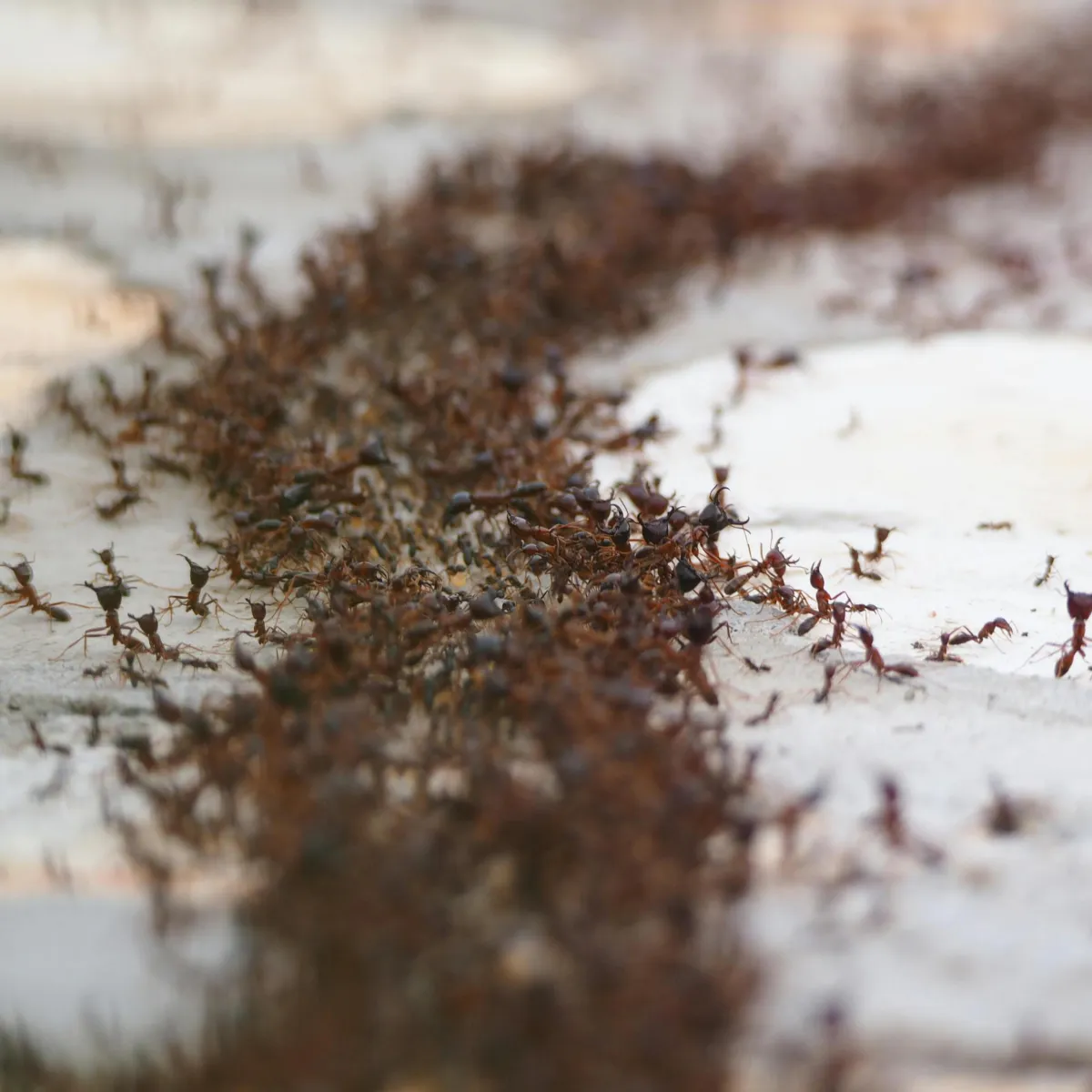
Why store products often fail
Most hardware store fire ant treatments work on the same principle: you apply something to or around the mound and wait. The problem is that a fire ant colony extends far deeper into the soil than the mound suggests, and a queen (or multiple queens, in the case of polygynous colonies) that survives a surface treatment will simply rebuild. Store- bought granules and drenches often push the colony to relocate rather than eliminating it.
Professional treatment works differently. We assess the colony structure, choose an appropriate method, contact treatment, broadcast bait, or a combination, and apply it in a way designed to reach and eliminate the queen population. Without eliminating the queens, you’re managing symptoms, not solving the problem.

Our fire ant treatment process
Inspection first. We identify whether what you have is actually red imported fire ants, assess the extent of the infestation (one mound or many), and determine whether the activity is isolated or spreading.
Targeted treatment. Depending on what we find, treatment may include a mound drench for isolated colonies, broadcast bait for widespread activity, or a two- step program that combines both. We’ll explain our reasoning before we start anything.
Follow- up. Fire ant activity can resurge, especially in warm weather. We schedule check- ins and offer ongoing protection plans for properties with recurring activity.
Everything is backed by our 100% satisfaction guarantee. If the colony comes back, so do we.

Protecting your family and lawn
Fire ant mounds do real damage to turf, the soil displacement kills grass and leaves hard, bare patches that don’t recover easily. But the bigger concern is safety. Broken Arrow families with children and pets who use the yard regularly are at serious risk from an established colony. Kids especially tend to disturb mounds without realizing what they’re stepping on.
If you’ve found a mound, keep people and animals away from it until it’s been treated. Don’t try to dig it up or flood it, both methods trigger an aggressive defensive response without eliminating the colony.

Frequently asked questions
Our Tulsa team serves Broken Arrow and all of Tulsa County. All work is performed by applicators licensed through the Oklahoma Department of Agriculture, Food, and Forestry, with fast, flexible scheduling and a satisfaction guarantee. If you’ve found a suspicious mound, we’ll come out, identify it, and give you a clear treatment recommendation at no charge.