Spider control for Broken Arrow homes, garages, patios, sheds, and outdoor spaces
Spider have a way of showing up in the places you least want them: the garage, the porch, the patio furniture, the shed, or the quiet corners inside your home. In Broken Arrow, where warm weather, active insects, and landscaped yards can all create ideal hiding spots, spider activity can go from occasional to frustrating quickly. Fairway Lawns provides spider control in Broken Arrow, OK with targeted treatments that help reduce spiders, remove problem webs, and prevent activity from building again.
Spider Pest Control for Broken Arrow Homes and Businesses
Most homeowners do not call about spiders because they saw one outside. They call when the webs keep coming back, when spiders start showing up indoors, or when the garage suddenly feels uncomfortable to use. That kind of activity usually means spiders have found shelter, insects to feed on, and quiet areas where they can stay hidden.
Around Broken Arrow homes, spider activity often starts near exterior lighting, garage doors, eaves, fence lines, sheds, crawl spaces, and shaded landscaping. These areas give spiders protection and access to insects, especially during warmer months.
Our spider pest control service is built around inspection, treatment, and prevention. We look for the places spiders are hiding, the entry points they may be using, and the food sources that may be keeping them around. From there, we apply targeted control services where they are needed most.
DIY sprays may help with a spider you can see, but they usually do not reach egg sacs, cracks, crevices, or hidden webbing areas. Professional spider control helps treat the larger issue, not just the spider that happened to cross your path.
Spider species seen around Broken Arrow properties
Wolf spiders are larger, fast- moving spiders that often appear on garage floors, patios, driveways, and around ground- level entry points. They usually do not build large webs, so homeowners tend to notice them running across open areas.
They are usually considered nuisance spiders, but their size can be alarming. They often show up where insects are active, which is why repeated sightings may point to a larger pest issue around the property.
House spiders are common in corners, windows, closets, and rooms that stay quiet for long periods. They are not usually dangerous, but they can leave behind messy webs that make a home feel neglected.
If webs keep returning after you clean, there may be ongoing spider activity nearby or insects drawing them back to the same areas.
Brown recluse spiders are a concern in Oklahoma because they prefer dark, undisturbed places. They may hide in closets, attics, garages, crawl spaces, cardboard boxes, storage bins, and areas that do not get moved often.
They are not aggressive, but bites can happen when they are accidentally trapped against skin. If you suspect brown recluse activity, a professional spider exterminator can inspect and treat the areas where they are most likely to hide.
Black widow are usually found in protected spaces such as sheds, wood piles, crawl spaces, outdoor storage areas, meter boxes, and garage corners. Female black widows are known for their shiny dark body and red hourglass marking.
Because black widow bites can be medically significant, sightings should be handled carefully instead of ignored or treated casually.
Jumping spiders are small, alert spiders often seen around windows, siding, fences, and sunny outdoor surfaces. They are usually nuisance spiders and do not create heavy webbing.
Frequent sightings may still mean insects are active around the home, especially near windows or exterior lighting.
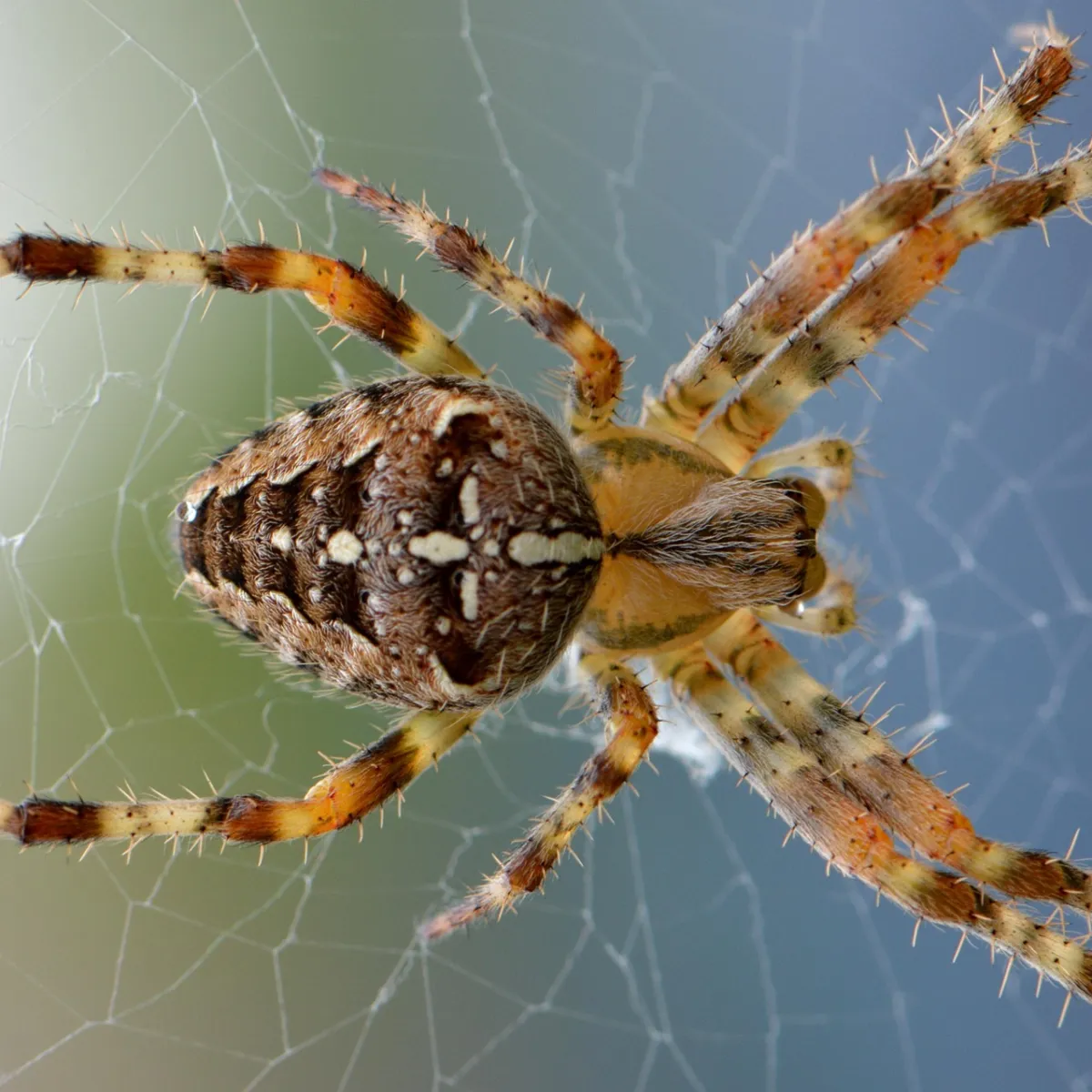
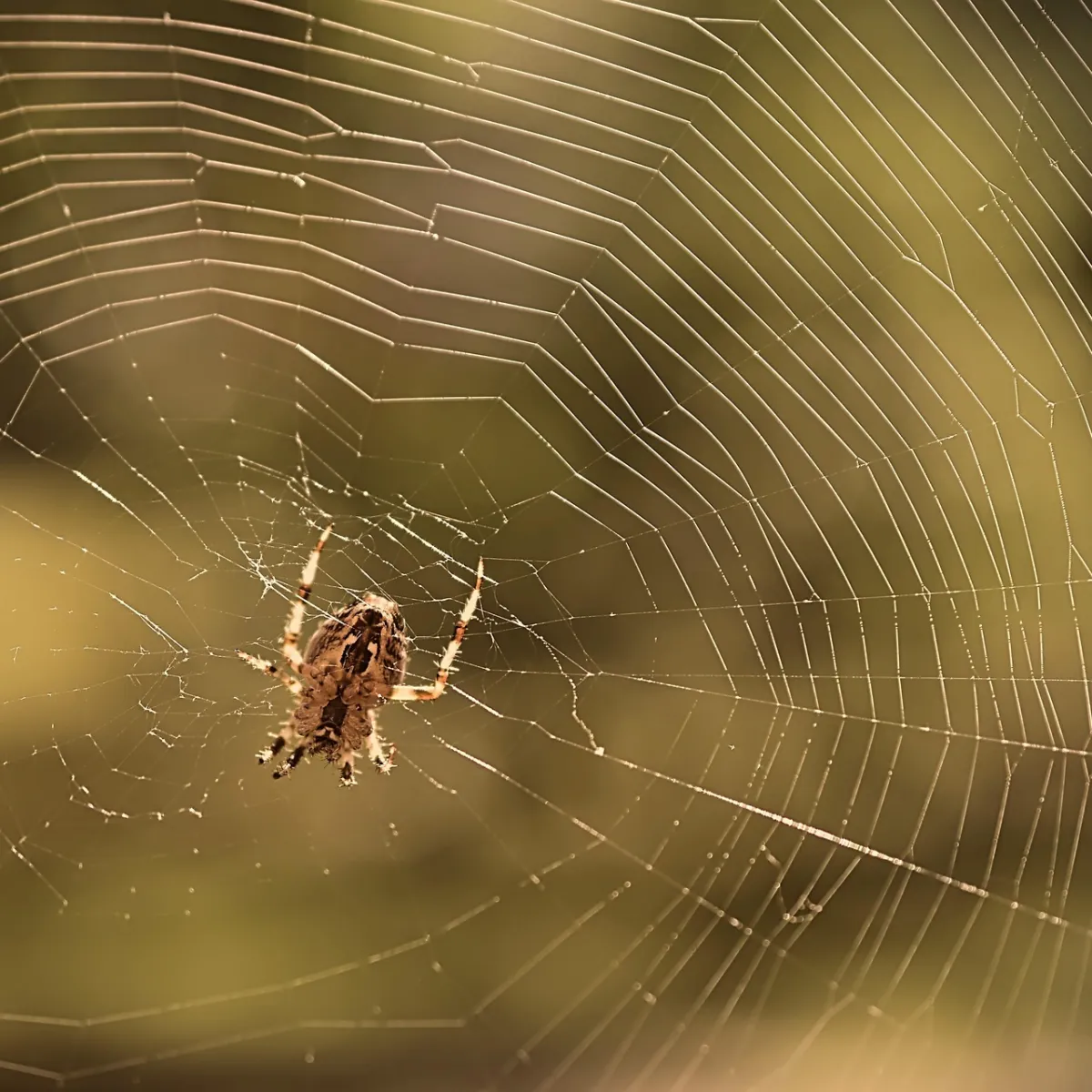
Orb weavers build large, rounded webs around porches, shrubs, eaves, trees, and outdoor lights. They are not usually dangerous, but their webs can become a nuisance when they stretch across walkways, doors, or patio areas.
They are most noticeable during warm months and into fall.
When spider activity becomes more than occasional
A spider problem does not always begin with a lot of spiders. Sometimes it starts with the same web showing up around the porch, a few spiders in the garage, or egg sacs tucked into corners you rarely check.
Common signs include recurring webs, increased spider sightings, egg sacs, dead insects caught in webbing, shed skins, and small droppings below webbed areas. Indoors, spiders may appear in closets, garages, attics, crawl spaces, basements, storage rooms, and window corners.
The clearest sign is repetition. If you keep cleaning webs or using sprays and the activity keeps coming back, spiders may already have a steady hiding area or food source nearby.
Why spiders move closer to the home
Spiders enter homes for food, shelter, moisture, warmth, or a quiet place to lay eggs. In many cases, they are following insects that are already gathering around doors, windows, foundation gaps, and exterior lights.
Broken Arrow homes can see more spider activity after rain, during warm humid weather, or around properties with dense landscaping close to the structure. Garage gaps, torn screens, wood piles, cluttered storage, and foundation cracks can also make it easier for spiders to get inside.
Fall is another common time for spider complaints. As temperatures shift, spiders may become more visible indoors, especially in garages, attics, closets, and storage areas.
The areas spiders use before you notice them
Spiders usually choose places that are quiet, protected, and close to insects. Inside the home, that may include garages, closets, attics, crawl spaces, basements, storage shelves, window corners, and areas under furniture.
Outside, spiders may hide around eaves, decks, sheds, fence lines, foundation cracks, wood piles, patio furniture, dense shrubs, and shaded areas near the home.
Because many of these hiding spots are out of sight, the spider you see is often only one part of the activity happening around the property.
A clear process for better spider control
We inspect the areas where spiders are most likely to hide, including garages, porches, eaves, sheds, crawl spaces, window corners, storage areas, and exterior entry points. We also look for webs, egg sacs, moisture conditions, and insect activity.
We apply targeted treatments to active and high- risk areas. This may include exterior perimeter treatment, crack and crevice applications, eave treatments, garage treatments, interior spot treatments, web removal, and egg sac removal when accessible.
We identify conditions that may be helping spiders return. This may include clutter, overgrown vegetation, damaged screens, moisture problems, gaps around doors, or insect activity near exterior lights.
Spider activity changes with the season, so recurring inspections and seasonal maintenance can help keep webs, egg sacs, and new spider activity from building again.

How spider activity changes throughout the year
Spring usually brings more insects, which gives spiders a stronger food source around lawns, flower beds, patios, and exterior lights. As the weather warms, web activity often starts to increase outside.
Summer can bring steady spider activity around garages, sheds, porches, and shaded areas. Fall is often when homeowners notice the biggest spike, especially indoors, as spiders look for protected spaces.
Winter slows outdoor movement, but spiders may still remain active in garages, attics, crawl spaces, closets, and storage rooms.
Why DIY spider sprays often fall short
Store- bought sprays can help when you see a spider right in front of you, but they rarely solve the bigger issue. Spiders spend much of their time in cracks, corners, eaves, storage areas, and hidden spaces where basic sprays do not reach.
Egg sacs may survive, webs may return, and insects may continue attracting spiders to the same areas. Professional spider control uses inspection, targeted treatment, residual applications, and prevention strategies to address the conditions that keep spiders active.
For recurring spider activity, brown recluse concerns, black widow sightings, or repeated web removal, professional pest control is the stronger option.
Simple ways to reduce spider activity
A few small changes can make your home less inviting to spiders. Seal gaps around doors and windows, repair damaged screens, clear clutter from garages and storage areas, and move wood piles away from the house.
It also helps to trim shrubs back from siding, vacuum corners regularly, remove webs quickly, reduce moisture, and limit insect activity around exterior lighting.
Prevention is helpful, but established spider activity often needs professional treatment to fully reduce the problem.
Spider treatments with your household in mind
Fairway Lawns uses trained technicians and targeted application methods for spider control. We focus on treating the areas where spiders hide and travel while being mindful of your family, pets, and the spaces you use every day.
Our team will explain what to expect before and after service so the process feels simple, clear, and safe for your household.
Local spider control from a team that understands Broken Arrow homes
Fairway Lawns understands how spider activity develops around Broken Arrow properties. Warm weather, insects, moisture, garages, sheds, and landscaping can all create the right conditions for spiders to settle in.
Our team provides professional inspections, targeted spider control services, prevention guidance, and seasonal pest management to help reduce activity and keep your home more comfortable.
Spider control questions Broken Arrow homeowners ask
Schedule Spider Control in Broken Arrow, OK