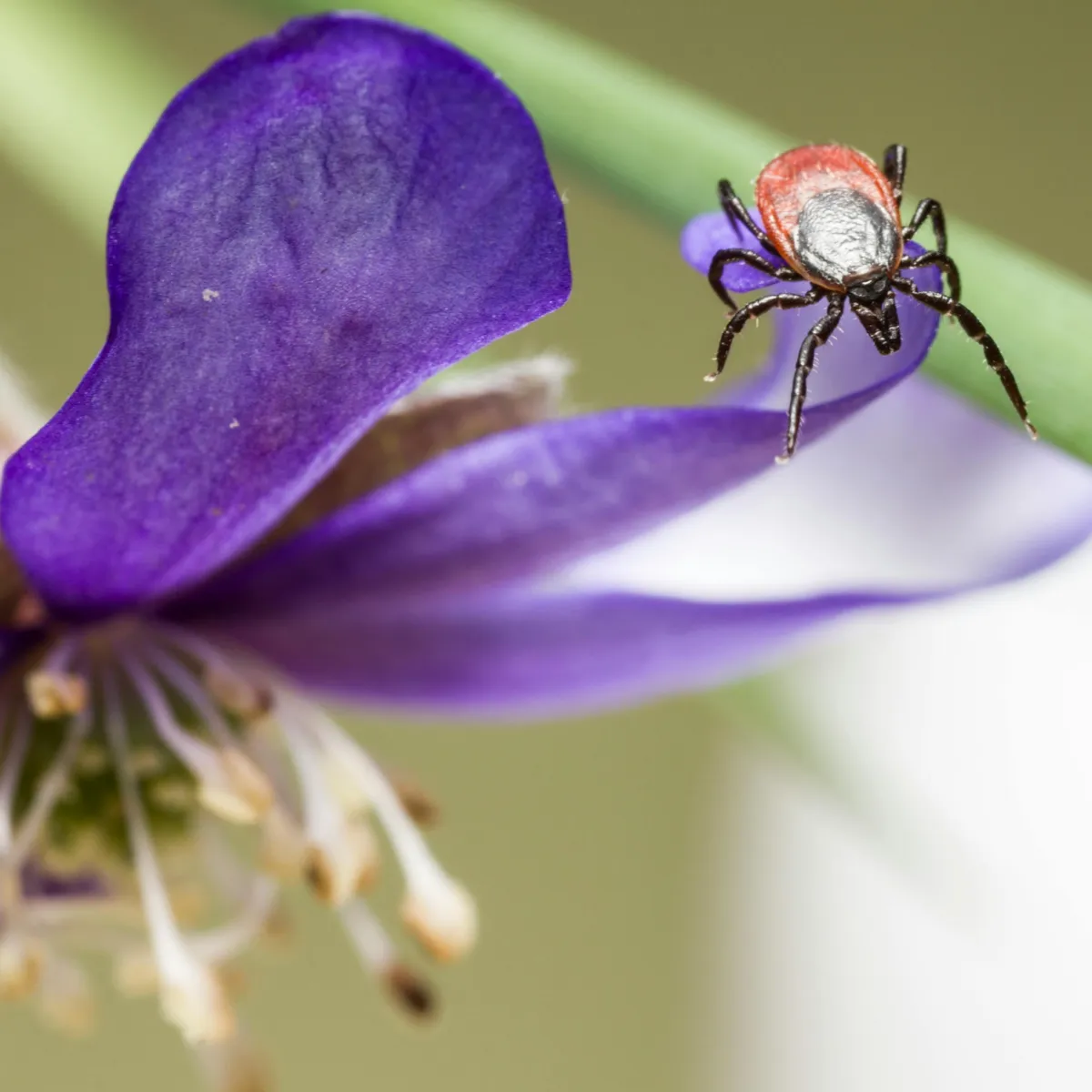
A riverside town this green hands ticks plenty of cover to settle into
Set along the Arkansas River and known for its walkable riverfront and antique district, Jenks carries the kind of mature trees, shaded lots, and water- edge greenery that make a town feel established. That same lush setting gives ticks easy footing when they look for a yard to move into. A property can be tidy and well kept and still draw ticks in from the river corridor or a neighboring tree line. The activity tends to start quietly at the edges rather than out on the open lawn.
Fairway Lawns provides professional tick control in Jenks, OK for homeowners who would rather stop the problem early than keep swatting at it. Our treatments target the shaded, damp, overgrown stretches where ticks actually build up and feed the rest of the property. Book a single visit or set recurring coverage for the warm months, start with a free quote either way, and count on a return trip if ticks rebound between visits on a recurring plan.
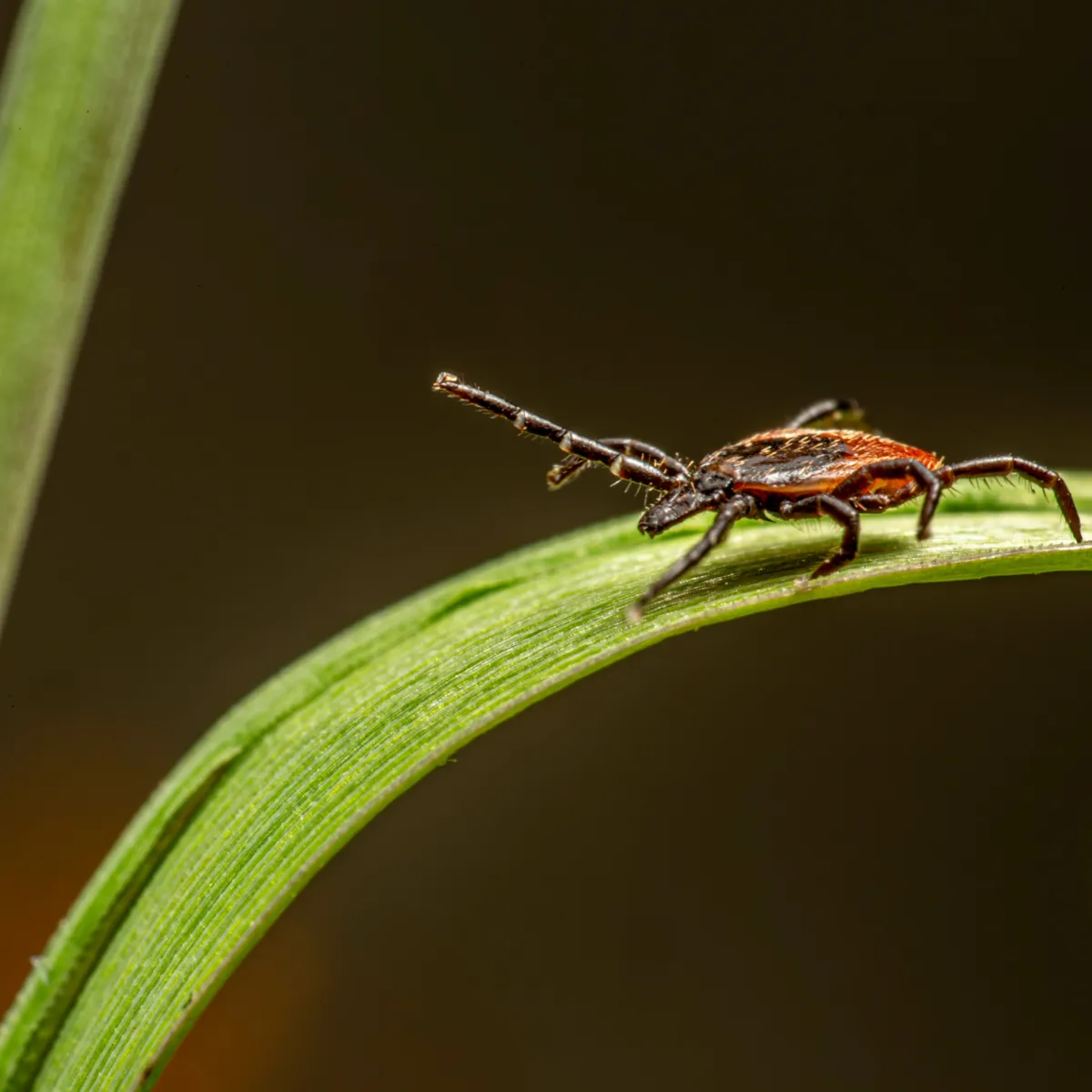
What works on one yard can completely miss the trouble next door
Tick pressure shows up unevenly from one Jenks lot to the next. A home backing onto the river greenbelt may carry most of its risk along that shaded rear boundary, while a place in a newer addition might struggle with a single damp bed line or a fence row that never fully dries. Older properties near downtown often hold onto a thick, mature border that quietly keeps the cycle running. Identifying that one driving feature is exactly why we walk the yard before we treat it.
Each visit opens with a careful look at the property: where shade sits, where moisture lingers, how the beds and borders are arranged, and which outdoor spaces the household actually uses. Treatment then concentrates on those source areas plus the spots where people and pets gather, including lawns, patios, pet runs, play sets, pool decks, seating areas, border grass, planting beds, and the edges that frame the lot. Cutting off the conditions ticks rely on accomplishes far more than reacting to the few you happen to spot.
A tick can live in a yard for weeks before anyone has a clue
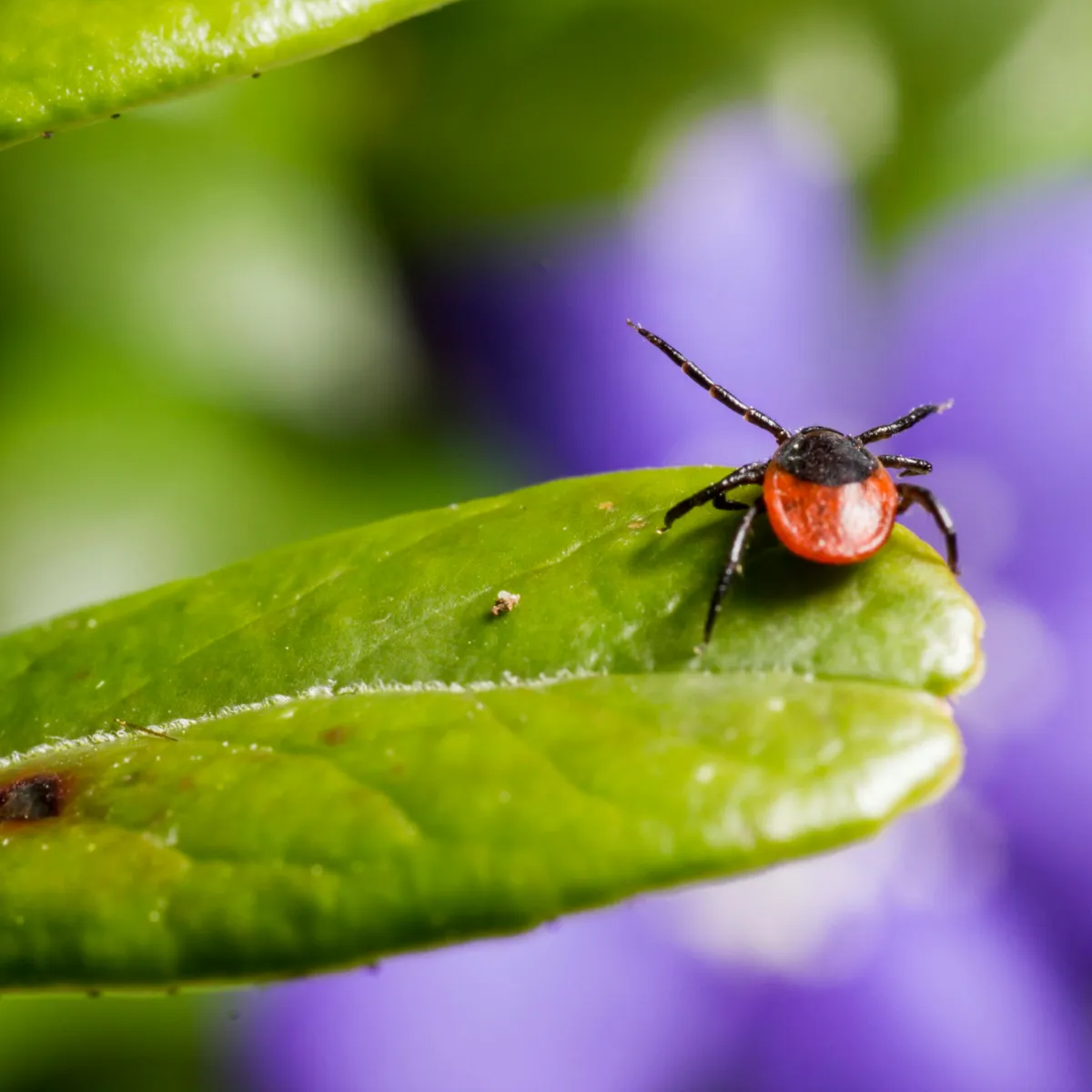
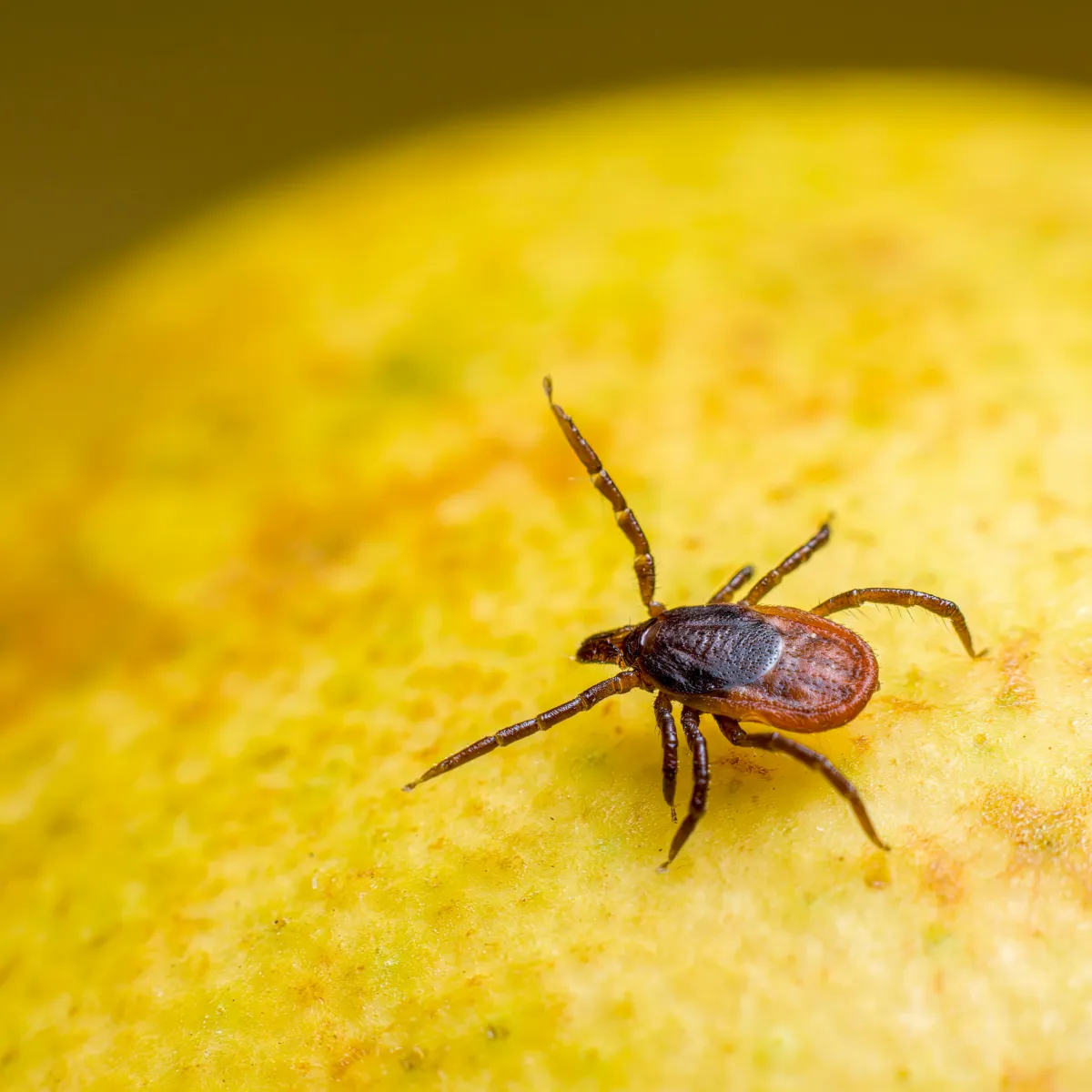
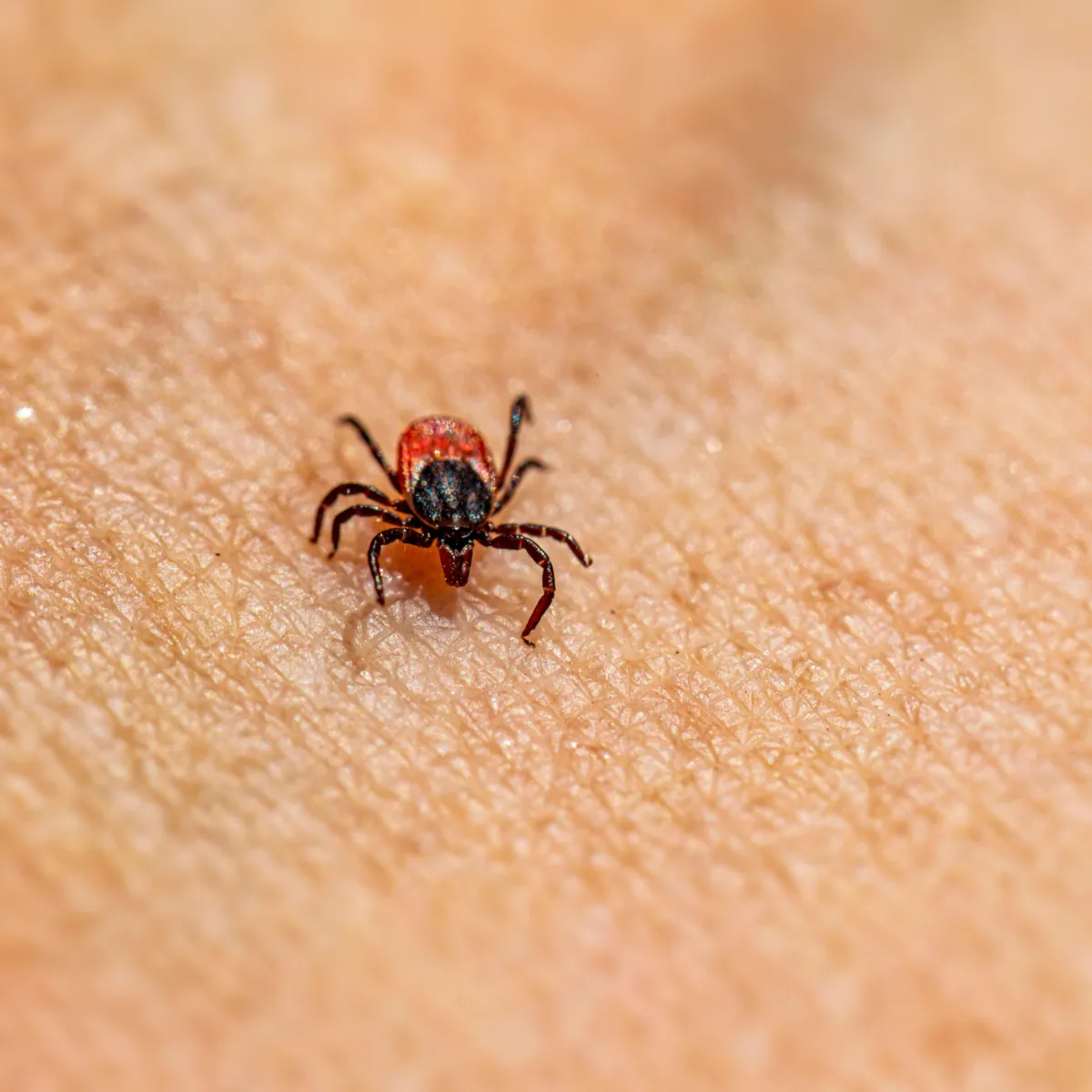
A tick is not just an irritation, since it can transmit illness to people and pets and is designed to go unseen. Many households never suspect the yard is harboring them until one rides in on the dog after a lap near the trees, or shows up on a pant leg after time spent by the beds. Because the bite usually causes no pain, the issue can feel like it appeared all at once even though it was building for a while.
This stretch of Oklahoma suits ticks well. Humid summers, steady rain, river moisture, and the wooded banks and shaded lots around Jenks supply them with cover and a reliable run of wildlife to feed on. A polished yard offers no real protection on its own, and only a few damp, sheltered pockets near the perimeter can keep things going. Routine treatment knocks the population back at the source rather than leaving you to deal with whatever reaches the patio door.
Look to the cool, sheltered edges, not the sunny center of the grass
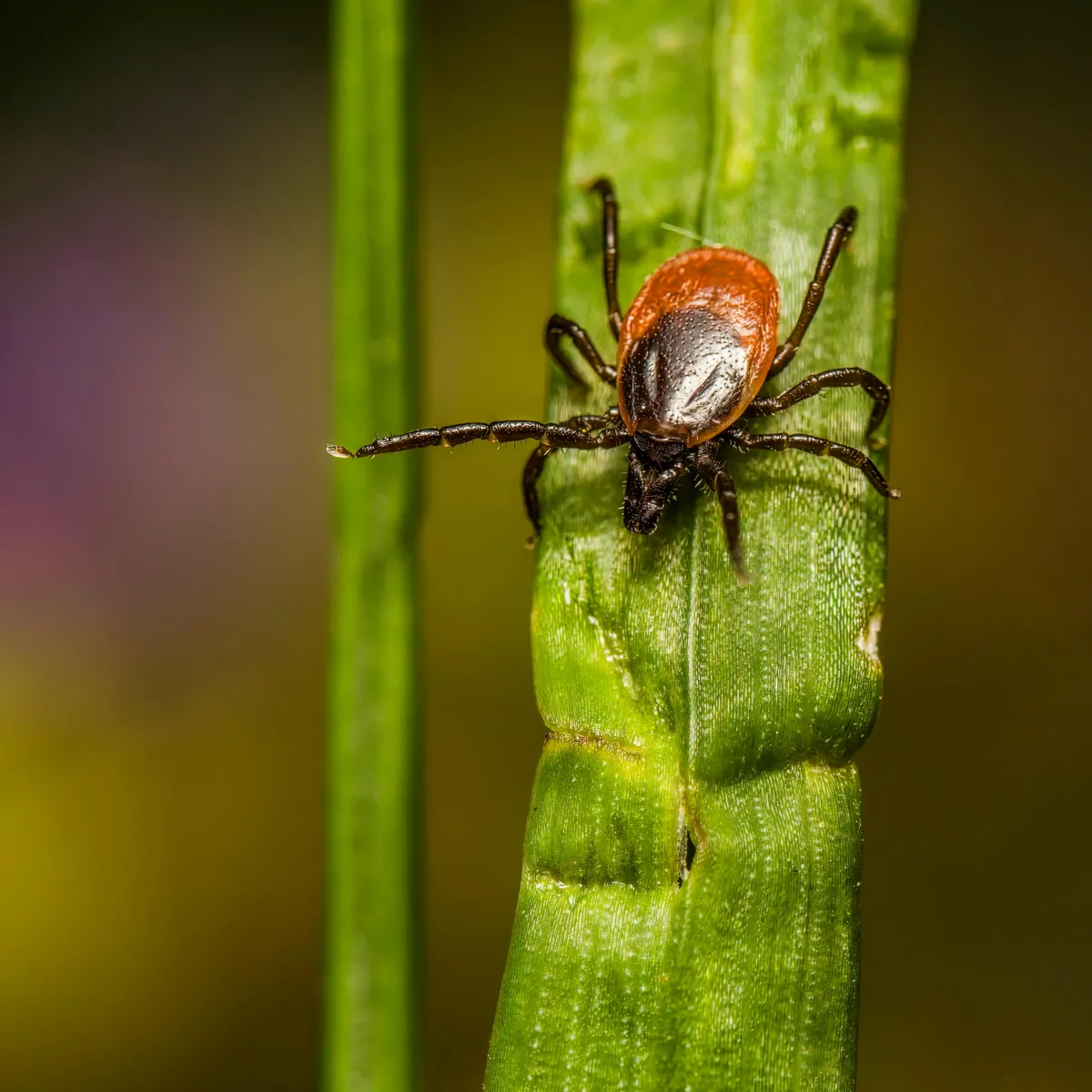
Ticks avoid hot, open ground, so the risky zones are usually the ones people stroll past without thinking. Tall grass and brush give them a place to climb and wait, while leaf litter, woodpiles, and the cool shade beneath a deck trap the moisture they need to survive. The mulched beds along the house and the run of a fence act as travel lanes they follow.
Close to the river edge or a wooded boundary, anything standing in the way, whether a shed, a gate, or the kids’ swing set, sits right on the path ticks use to ride in on deer, rabbits, and rodents. Pet areas catch a lot of traffic because dogs wear the same routes day after day. The shaded, slow- drying margins of a yard call for the closest attention, since they stay welcoming long after the open lawn has dried in the sun.
Order matters, so we work the property step by step
Because every yard behaves a little differently, the plan follows what the inspection reveals rather than a fixed routine. A standard visit runs through four stages.
We begin on foot, sizing up shade, drainage, grass height, planting density, pet routes, and the seams where mowed lawn gives way to rougher cover. That walk shows us where ticks are likely concentrated and where the treatment will do the most for you.
Once the hot spots are clear, the product goes where ticks actually shelter: perimeter grass, bed lines, fence rows, damp low corners, shaded side strips, and similar protected ground. Treating those areas directly works better than coating open turf the ticks already steer clear of.
Next we set a treated band around the spaces you use most. It can trace lawn edges, the foundation line, fences, shrubs and beds, tall grass, and wooded borders, then carry on to the ground under decks, the area near sheds, pet runs, play areas, patio seating, and any heavily shaded or moist stretch where ticks try to slip back in.
Leave the conditions ticks like in place and they return, so a single treatment is a beginning, not an end. Repeat visits through the active season stop new arrivals from settling and keep the coverage steady as the yard changes week to week.
The danger lines up with the parts of the yard people love most
Tick control stops feeling optional the moment you notice how much of family life runs along the yard’s edges. A dog cutting the same corner toward the river path, kids slipping through the shaded strip to reach the swing set, an evening stroll that grazes the planting beds: each of those routines passes straight through the cover ticks prefer. Because a bite seldom announces itself, a child or a pet can carry one indoors without anyone realizing until later.
When the pressure along those routes drops, the whole yard feels open again. The riverside patio becomes a place to linger, the lawn turns back into somewhere kids can sprawl, and the dog can make its rounds without picking up hitchhikers. Coverage aimed at the busy zones is what gives families that ease back.
Every season shifts the pressure to a new corner of the lot
Once spring growth starts moving, the yard can change fast. Areas that seemed open during colder weather may suddenly feel thicker, softer, and more covered. Fence lines, bed edges, and shaded strips often become the first places where seasonal pressure starts building again.
Summer can make a yard look less risky than it really is. The center of the lawn may dry out, but the cooler sections near trees, structures, and dense planting can still hold the conditions ticks prefer. Those hidden areas are often more important than the open grass people notice first.
As the season shifts into fall, extra cover begins to build in a different way. Leaves, heavier edges, and less direct sun can make certain parts of the yard feel protected again even after the hottest weather has passed. The same trouble spots from earlier in the year often stay relevant here.
Moisture does not affect every section of a property evenly. A yard may appear dry overall while a border or corner remains soft and damp for days. Those slower- drying areas often become the same repeat problem spots through multiple parts of the year.
The trouble spot is almost never the one a homeowner expects
Fairway Lawns is a strong choice for tick control in Jenks because the service is built around how a property actually behaves, not around a generic pattern. Some yards hold more shade, some collect more moisture, and some have border areas that keep turning into the same source of pressure. Fairway Lawns focuses on identifying those sections and treating them with purpose, which gives homeowners a more practical solution for keeping the yard comfortable through regular outdoor use.
What happens between visits decides how long the results hold
In Jenks, simple yard habits can make a noticeable difference between treatments. Keeping the lawn trimmed, pulling back overgrowth along fences, and removing leaf buildup from shaded edges can help reduce the kind of low cover ticks prefer. It also helps to watch the areas that stay damp longer after rain, especially around bed lines, shrubs, and outer borders. Those smaller sections often deserve more attention than homeowners first expect.
Sometimes one stubborn area just needs to be cleared in a hurry
Sometimes the most sensible option is to address the worst section of the property first. If ticks are showing up around one border, one bed line, or one path through the yard, a one- time treatment can help reduce activity where it is being noticed most. This approach is often useful when the problem feels limited instead of spread across the whole property.
It can also give homeowners a clearer picture of how the yard responds after treatment. If the concern drops off and stays limited, no further service may be needed right away. If the same type of pressure starts building again, that can be a sign the property would benefit from a longer- term plan.
The surest relief is never giving ticks room to rebuild
Some yards need more than a single visit because the conditions causing the problem are not temporary. If the same fence line, bed edge, or shaded strip stays favorable month after month, recurring tick control usually makes more sense than treating the yard once and hoping the pressure stays down on its own.
Regular service helps account for the way a property changes through the season. As growth thickens, moisture shifts, and cover rebuilds, recurring treatment helps keep the same trouble spots from becoming active again before they start affecting the rest of the yard.
Homes near the same river and tree lines usually fight the same pests
Fairway Lawns serves Jenks homeowners who want to protect lawns, patios, pet areas, and the rest of their outdoor space from recurring ticks. Nearby properties across the Tulsa metro that share the same makeup, including shaded edges, retained moisture, heavy border growth, and steady backyard use, tend to benefit from the same approach. If you sit near the edge of town and are not sure you are covered, just ask, because our reach runs well past the city limits.
A few questions tend to surface the moment ticks show up
Fairway Lawns can help pinpoint the sections of your yard where tick activity keeps starting and treat them with purpose. Book your tick control service in Jenks or schedule a quote to get your property on the calendar.