Tulsa weeds are good at showing up right when the lawn is stressed by heat or drought.
Weed control services in Tulsa, OK help reduce weeds that spread through thin turf, invade edge strips, and take advantage of summer stress. When weeds take hold, the lawn doesn’t just look messy, it becomes harder for grass to recover and fill in.

Tulsa lawns often get hit by a combination of high heat, strong sun, windy dry stretches, and sudden storms. That push-and-pull can stress turf, especially along driveways, sidewalks, and high-traffic areas. Fairway Lawns helps Tulsa homeowners get a weed plan that matches those conditions and holds up beyond a single treatment.
We focus on prevention, active treatment, and keeping turf strong enough to compete.
Pre-emergent weed control helps reduce certain weeds before they establish. This matters in Tulsa because once warm-season weeds get started, they can spread quickly during hot, dry periods.
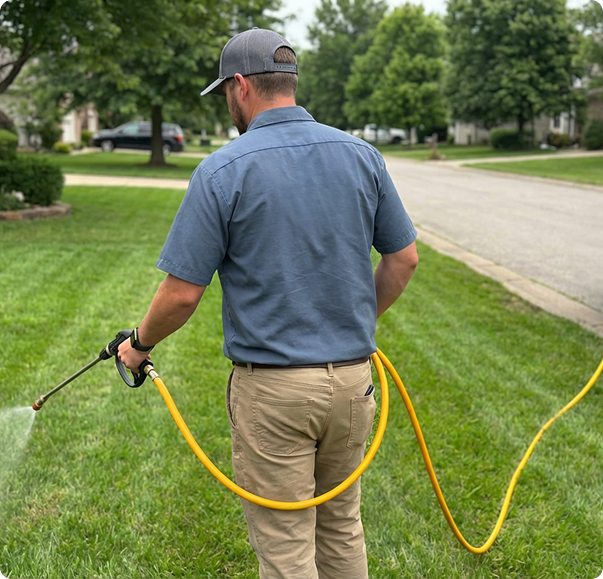
Post-emergent treatments are used when weeds are already growing. This is how we address active outbreaks and reduce spread in problem areas.
Broadleaf weeds can spread through weak turf and stand out even after mowing. These often move in when the lawn is thin from drought stress or compaction.
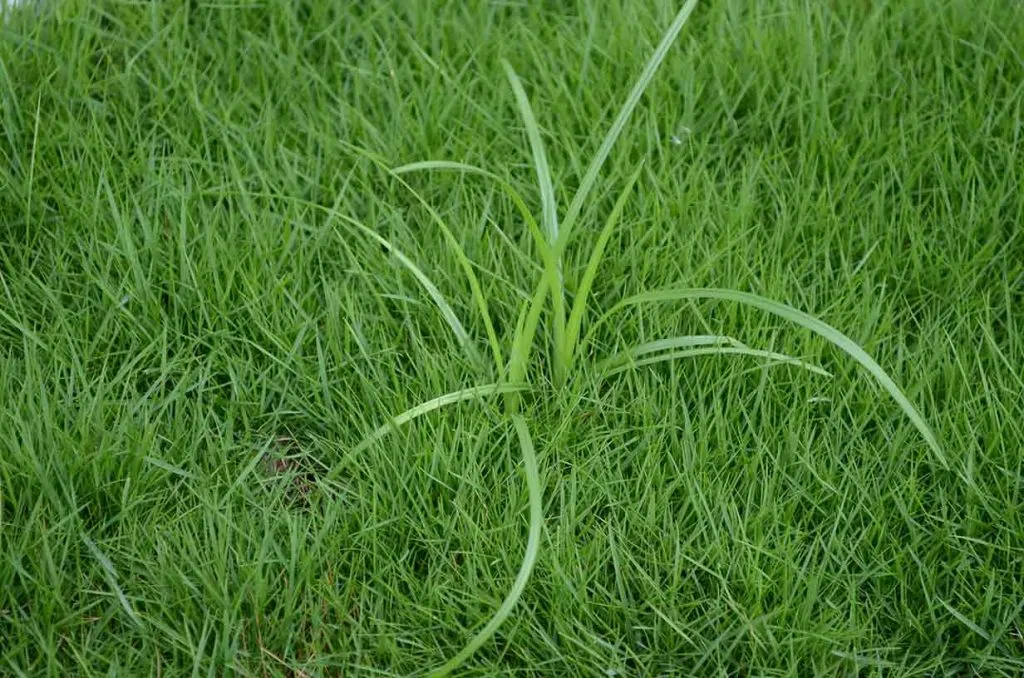
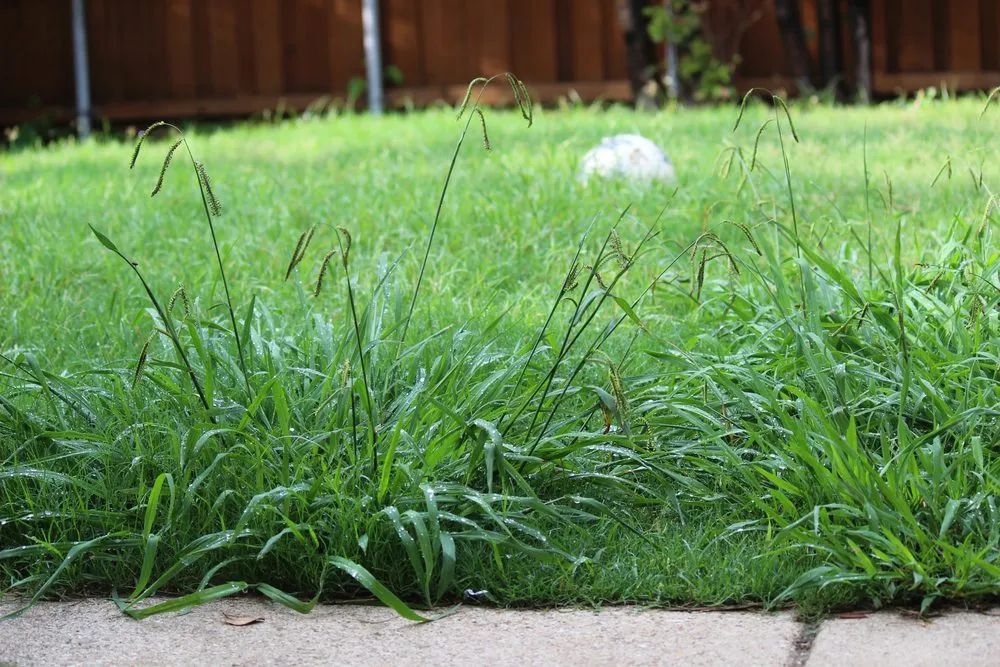
Grassy weeds can be aggressive in Tulsa summers, especially in lawns with open patches or weakened edges. They can take over quickly if they are not addressed early.
If weeds are concentrated in specific zones, the curb strip, the sunny corner that bakes, the area by the driveway, spot treatment helps keep the plan focused and efficient.
Tulsa weed pressure changes through the year. Prevention helps reduce the next wave instead of constantly reacting to the last one.
Wind, heat, and rain swings can change weed pressure quickly. Monitoring helps keep progress from stalling mid-season.
Weed control in Tulsa is practical lawn care because weeds change how turf grows and recovers.
Weeds compete with grass for water, nutrients, sunlight, and space. In Tulsa, that competition is especially noticeable during summer drought stress, when every bit of moisture matters and turf is already under pressure.
When weeds spread, turf often thins further, and bare spots become more common. That gives weeds even more room to establish, and the lawn starts feeling like it never quite bounces back.
Weed control helps protect the lawn’s growing space, making it easier for turf to fill in and stay more consistent across the yard.
Different weeds behave differently in Tulsa, and the timing is what makes control stick.
Broadleaf weeds tend to spread into thin turf and become more noticeable as the lawn loses density. They often show up during seasonal transitions and in stressed areas.
Grassy weeds can blend in early and then spread into patches that disrupt the lawn’s texture, especially during warm, active growth periods.
In areas that stay damp or get overwatered, sedges and moisture-associated weeds can become persistent. These often point to water patterns that need attention.
Edges and seams are common weed entry points because turf breaks down faster there and soil compacts easily.
Weed control gets easier to manage when the steps are clear and repeatable.
We review turf density, stress zones, drainage behavior, sun exposure, and where weeds are establishing.
We identify the weeds present so the plan matches what is actually growing and when it is most vulnerable.
We tailor the plan to your lawn’s turf type, layout, season, and severity of weed pressure.
Treatments are applied with the lawn’s health in mind, focusing on control without unnecessary turf stress.
We watch for breakthrough and adjust as weather swings and weed cycles shift.
Tulsa weed control works best when the plan is seasonal, because pressure builds at different times of year.
Spring is a prime window for prevention and early correction before weeds establish and spread.
Summer is the tough stretch. Heat, wind, and drought stress can thin turf, especially along edges and in sunny sections, which makes weeds more aggressive.
Fall can bring another wave of weeds as temperatures shift. Addressing fall pressure helps keep the lawn cleaner heading into the next cycle.
Growth slows, but mild stretches can still allow weeds to appear in thin turf or bare areas.
Some lawns can be managed with a lighter approach, but only if turf density is strong enough to back it up.
When weeds are limited, selective treatment may be a better fit than broad application.
A thicker lawn naturally blocks weeds. Supporting turf density can reduce how much active correction is needed later.
If a lawn is heavily invaded, stronger correction is often needed first. After that, a lighter maintenance approach may be possible.
Tulsa lawns do better when weed control is timed locally and paired with turf-first thinking.
Pricing should match the lawn’s condition and the level of pressure, not a generic estimate.
Weed control pricing can vary based on lawn size, weed coverage, turf condition, and whether prevention and follow-up are needed to keep pressure down.
Common factors include lawn size, severity of weed pressure, turf density, frequency of treatment, and how many areas need focused attention.
A lawn evaluation helps determine what is happening and what kind of plan fits your yard.
We recommend what matches your lawn’s needs rather than pushing a bigger program than necessary.
Most Tulsa weed questions come from homeowners who feel like weeds return the minute the weather shifts.
If your lawn is getting crowded out by weeds, struggling in the same edge strips every season, or looking uneven after each weather swing, Fairway Lawns can help. We will evaluate your Tulsa property, explain what is driving the weed pressure, and recommend a plan that fits your turf and your conditions.