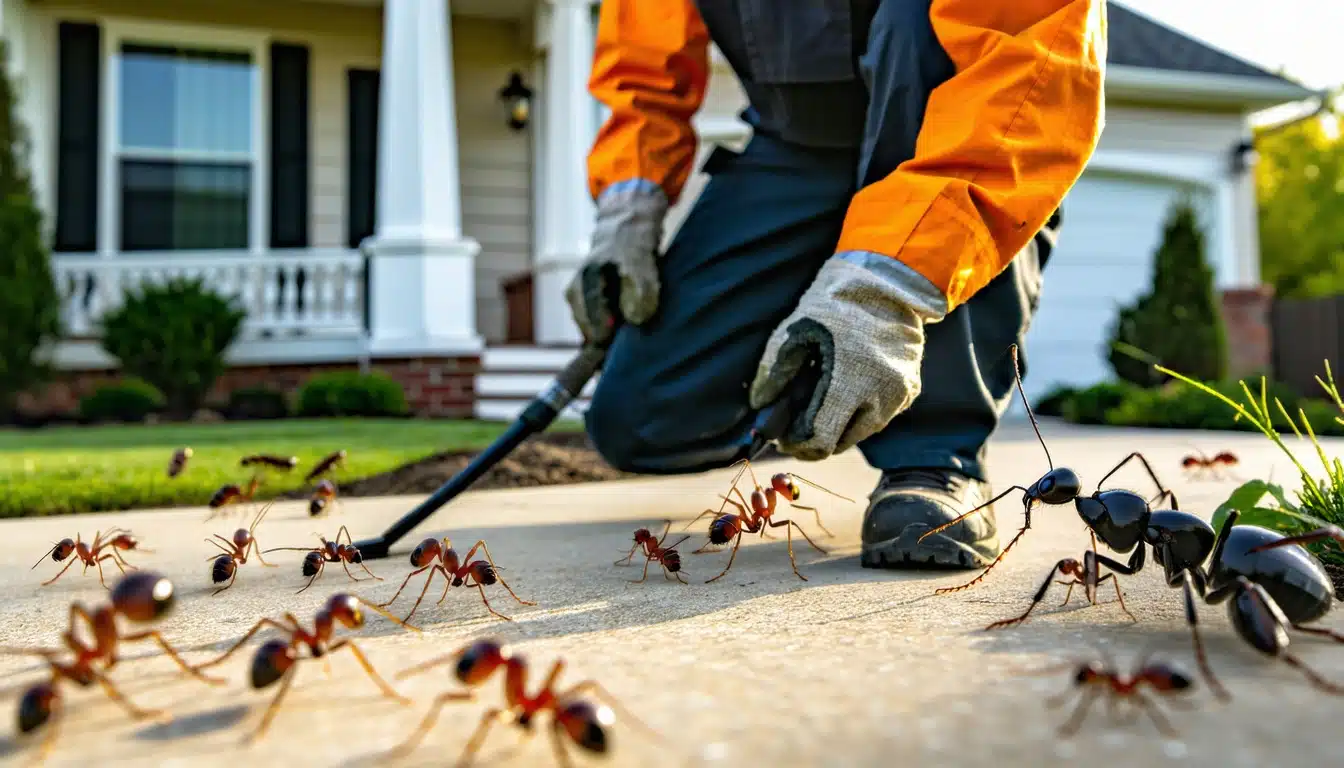
Yes, ants are small. But they can cause a huge amount of frustration! For instance, spraying the ants you can see accomplishes next to nothing. Real ant control means finding and eliminating the colony, not just the workers you catch in the act.
The lawn care and pest control experts at Fairway Lawns are sharing professional tips to achieve long-term control in six steps. While permanent elimination is a difficult dream to achieve, we’ll help you identify the species, remove what’s drawing them in, disrupt their communication, eliminate the colony, treat the exterior, and seal the ways they’re getting inside.

Different ants behave differently, nest differently, and respond differently to treatments. Use the wrong bait on the wrong species and you’ll waste your time.
Some ants prefer sugar. Others want grease or protein. Some nest outdoors and forage inside. Certain species, like pharaoh ants, will split into multiple colonies when they’re stressed.
Is what you’re looking at an ant or something else?
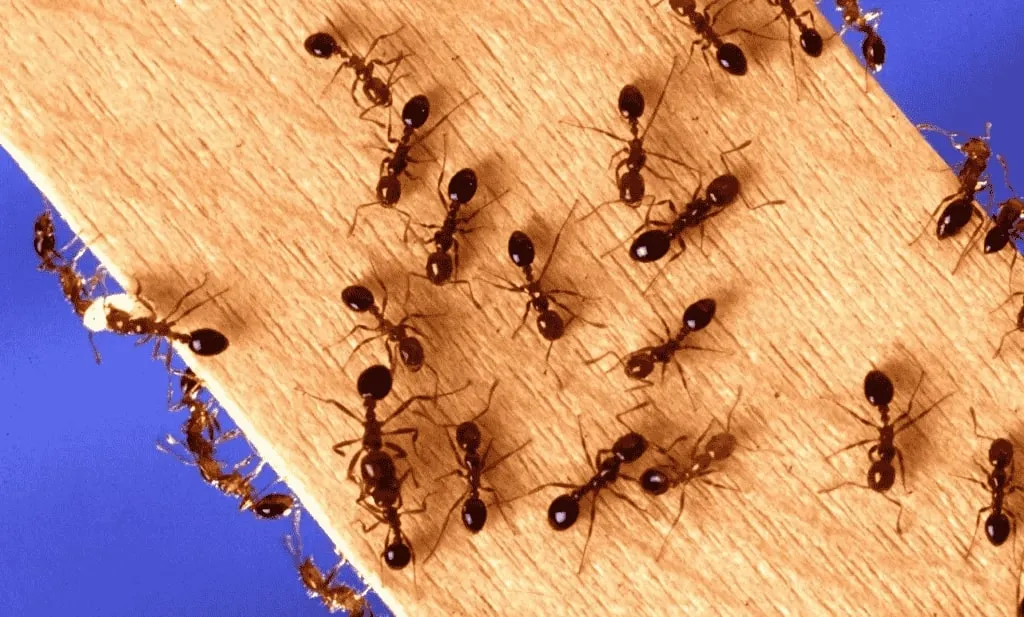
Ants have three distinct body segments (head, thorax, abdomen) connected by a thin waist. Their antennae are elbowed, with a clear bend in the middle. On the other hand, termites have a thick waist with no obvious pinch. And their antennae are straight.
Once you’ve determined that you’re definitely dealing with ants, you should figure out exactly which kind you’ve come across. We’ve covered the most common types of ants in the U.S. to help you solve this question quickly. There are lots of clues that can help piece together this puzzle, including the ants’ size, color, location, behavior, and smell.
Where is the colony hiding?
There are a lot of unknowns with ant colonies. They can range from a few hundred to several hundred thousand ants. The nest could be underground, under a mulch bed, behind baseboards, beneath a concrete slab, inside a rotting tree stump, or somewhere else.
Ant activity also shifts with the seasons. In spring, colonies emerge from winter dormancy and foraging spikes dramatically. Summer brings peak colony growth. Fall sends ants searching for warmer shelter. Plus, rain and drought both trigger movement, as ants seek either higher ground or water.
Signs you have a problem
Ignoring these signs isn’t a good idea. Carpenter ants can compromise wood over time. Fire ants can sting and trigger allergic reactions. And any ant colony left untreated will grow, spread, and become progressively harder to control.

Ants aren’t wandering around your yard or into your home by accident. They’re following something. A food source, a water source, or both.
Not sure how to get rid of ants in your house’s kitchen or pantry? Get back to the basics. Store dry goods in airtight containers, clean spills immediately, and wash dishes consistently. Also, don’t overlook trash cans with loose-fitting lids.
Keep in mind that moisture is a big draw as well. A slow drip can be enough to sustain a colony indefinitely. Check under sinks, around toilets, near appliances with water lines, and in laundry areas. If possible, fix what you find.
Ants talk to each other through pheromones (the invisible chemical signals left along foraging routes). Once a trail is established, it recruits more workers to the same path.
Fortunately, disrupting those trails is fairly simple. Wipe counters and surfaces with a 50/50 vinegar-and-water solution, warm soapy water, or a general glass cleaner. This removes the pheromone signals and confuses incoming workers who were following the route.
Just remember that cleaning trails doesn’t eliminate the colony and isn’t the best way to get rid of ants in your house. It’s a disruption, not a solution. Think of trail destruction as preparation for the ant control steps that actually solve the issue.
The instinct when you see ants is to spray them. It feels productive. The ants die, the trail disappears, and it seems like the problem is solved…until they’re back the next morning.
Repellent sprays kill the ants they contact, but they don’t reach the colony. Worse, they can scatter workers and warn the colony that an area is unsafe. That means you’ve killed a few hundred workers but potentially created a bigger problem.
Bait is the mechanism that reaches the queen.
Bait works on a different principle entirely. Workers pick it up along their trail, carry it back to the nest, and share it with other workers, larvae, and eventually the queen. Since it’s slow-acting by design, the colony consumes it before detecting the threat. Colony collapse happens over days or weeks, not hours.
Choosing the right bait type matters. Sugar-feeding ants (like odorous house ants) respond to sweet, liquid-based baits. Carpenter ants and others that prefer protein or grease need a different formulation. If ants ignore your bait entirely, the formulation is likely wrong for the species you’re targeting.
Ant bait placement tips:
The majority of indoor ant problems originate outside. The colony could be in your yard, under your mulch, or in the soil near your foundation. Treating the interior alone won’t work. More ants will keep finding their way in because the source was never addressed.
Areas to inspect outside:
Outdoor treatment strategy:
Follow active trails. If you can trace a trail back far enough, you’ll often find the nest entrance. Granular ant bait works well for outdoor nests and along foraging paths in the yard.
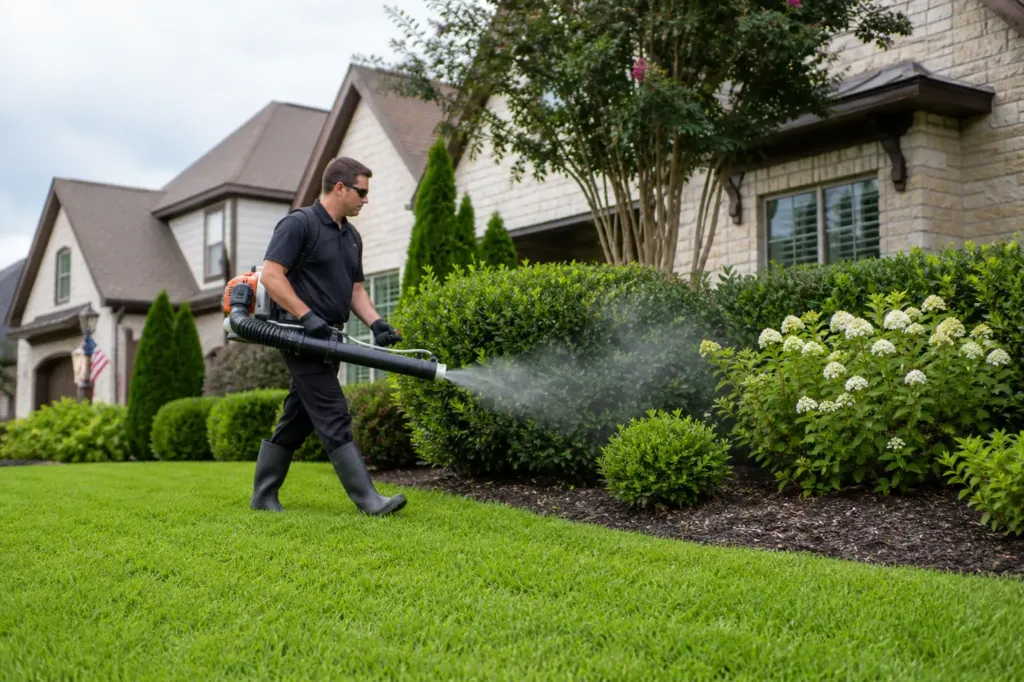
For perimeter control, non-repellent barrier treatments are generally more effective than repellent sprays. The difference? Ants walk through a non-repellent treatment, carry it back to the colony, and spread it, rather than simply avoiding the treated zone.
Be sure to also keep a clear inspection space around the foundation. That means pulling mulch, debris, and dense groundcover back several inches from the wall. This makes it easier to spot activity and eliminates the environment ants prefer to nest in.
If you’ve baited the colony and treated the perimeter, you’re addressing the current problem. Sealing entry points is how you prevent the next one.
Follow active trails upstream until you find where they’re entering from. The entry point is often far from where you initially see ants indoors.
Common entry points:
What to do about them: Caulk gaps and cracks with a quality silicone caulk. Replace deteriorated weatherstripping. Repair damaged screens. If carpenter ants are present, check for wood rot or moisture damage.
Reduce “ant highways” from the landscape to the house. That means trimming tree branches and shrubs that touch the structure, keeping firewood stored away from the foundation, and not letting mulch or soil pile against the siding.
Some natural approaches are worth understanding because the claims around them range from solid to wildly overstated.
Vinegar, peppermint oil, and dish soap are repellents and contact killers, not colony eliminators. Wiping trails with vinegar disrupts pheromones. Spraying ants with soapy water kills them on contact. Peppermint and cinnamon near entry points may deter scouts.
All of these have a place in a broader strategy, but none of them reach the queen. So it’s not the best way to solve your underlying problem.
Borax or boric acid bait: At low concentrations mixed with a sugar solution (or peanut butter for protein-feeding species), borax acts as a slow-acting stomach poison that workers carry back to the colony.
This is a DIY ant elimination strategy that can be really effective. But make sure you keep it away from children and pets.
Diatomaceous earth damages the exoskeleton of ants that walk through it, causing dehydration. It works best as a dry barrier around entry points. It loses effectiveness when wet, so it’s a supporting tool rather than a primary solution.
Total eradication is unlikely. Ant colonies in neighboring yards will always be looking for resources, and new ones will establish over time. What you’re really working toward is long-term, sustainable ant control.
That means annual preventive yard baiting in early spring before colonies fully activate, consistent perimeter treatments, ongoing attention to sanitation and sealing, and quick responses when you notice new activity.
Rainy seasons push ants toward higher, drier ground. In other words, sudden indoor invasions during wet weather are almost always an exterior entry point problem.
Drought conditions drive ants indoors seeking water, making kitchens and bathrooms the primary target.
Cold snaps send them looking for warmth, which means sealing and interior baiting near active trails become the priority.
In warm, humid regions, fire ant management is a year-round concern rather than a seasonal one. Yard treatments and mound treatments should be part of any exterior pest control strategy in these areas, particularly for homes with children or pets.
Is the bait disappearing but ants are returning? Likely multiple colonies or entry points, or the bait type doesn’t match the species. Extend the treatment duration and consider whether there’s an untreated outdoor source.
Are ants ignoring the bait? Competing food sources are overriding the bait’s appeal, or the placement is off. Move stations closer to the active trail and remove any accessible food nearby.
Did you spray and now they’re everywhere? Scattering or budding has occurred. Stop all repellent sprays near trails, clean surfaces thoroughly, reset with bait, and treat outside.
Ants in every room? This typically means multiple entry points, wall void nesting, a moisture issue, or landscape bridges connecting outdoor colonies to the structure.
If you’re dealing with carpenter ants and concerned about structural damage, that warrants a professional inspection. Both to treat the infestation and to assess any underlying moisture or wood damage driving it. Fire ant infestations near areas where children or pets spend time also carry enough health risk to justify professional treatment.
Multiple failed attempts, ants nesting inside walls, or a large recurring infestation that resets every season are all signs that something in the treatment approach has been missed. The pest control experts at Fairway Lawns have the tools and training to find what you haven’t.
For immediate relief, sprays kill visible workers quickly. For actual control, bait combined with an outdoor perimeter treatment is the fastest path to a lasting result.
An untreated outdoor colony, unsealed entry points, or seasonal reinvasion are the three most common reasons.
Temporarily, yes.Tthat’s how they’re supposed to work. More workers means more bait carried back to the colony.
Generally, yes. Colonies emerge from winter dormancy in spring and foraging activity spikes dramatically.
Typically one to three weeks for meaningful colony reduction.
Carpenter ants can cause structural damage over time. Other species don’t damage the structure, but they contaminate food and can be extremely difficult to control once established.
For disrupting trails and deterring scouts near entry points, yes. For eliminating a colony, no.
Slow-acting bait carried back and shared throughout the colony. Nothing else reliably reaches the queen and larvae at the same time.
Ants are persistent, but they’re beatable. The key is working methodically to identify the species, eliminate attractants, disrupt trails, bait the colony, treat outside, and seal entry points. Skip any of those steps and you’re likely to end up back where you started.
Still not sure how to get rid of ants, or finally ready to take care of your ant problem? Either way, reach out to the team at Fairway Lawns! We can help you develop a pest management plan tailored to your property and location. We proudly serve seven states and dozens of communities, ensuring high-quality lawn care and pest control services across the South: