Tips on How to Get Rid of Nutsedge, the Different Types & More
Nutsedge Weed Summary
- Nutsedge is an aggressive perennial sedge, not a grass.
- It has triangular stems, grows faster than turf, and has a light green or yellow-green color.
- It’s difficult to control because of underground tubers that survive treatments and regenerate later.
- One tuber can produce 1,900 new plants and 7,000 new tubers in a single year.
- Yellow nutsedge is more common and slightly easier to control. Purple nutsedge is more aggressive and harder to eliminate.
- Targeted herbicides and proper timing are essential. Pre-emergents don’t work. Use selective post-emergents on young plants in late spring to early summer.
- Prevention strategies include improving drainage, watering deeply, maintaining healthy turf, and contacting Fairway Lawns.
What Is the Nutsedge Weed?
Ever noticed a patch of bright, almost neon-green grass shooting up faster than everything around it? You’re probably dealing with nutsedge. And if so, you’d better be ready for a fight.
Nutsedge is a perennial weed that comes back every year. And it grows from underground tubers rather than seeds, so pre-emergents are essentially useless against it.
However, with the right approach, proper timing, and professional help from Fairway Lawns, you can get nutsedge under control. So let’s break down what you’re dealing with and how to get rid of it.
How to Identify Nutsedge in Your Lawn
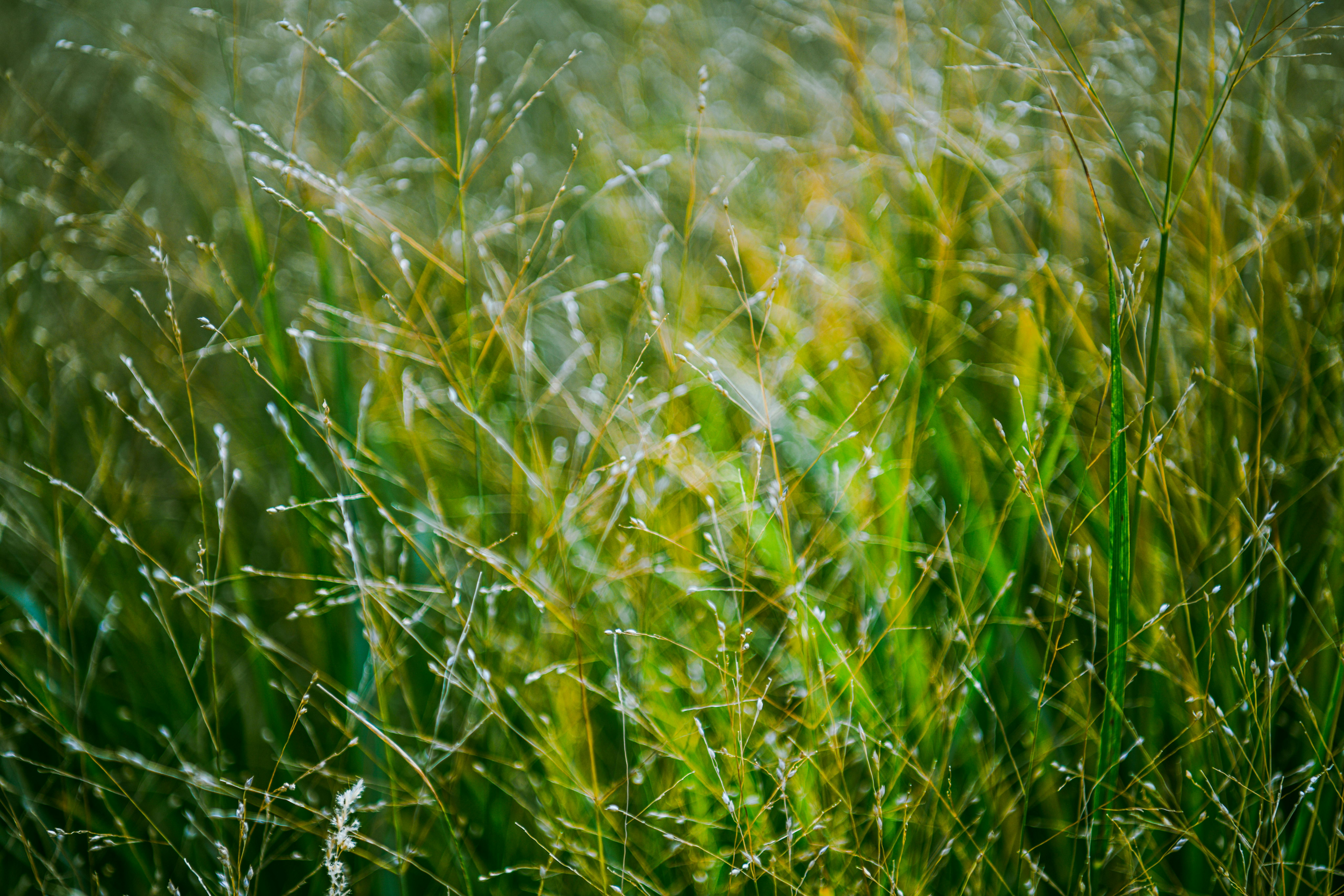
The triangular stem is the most obvious way to tell if it’s nutsedge. Unlike grass, which has a round or flat stem, nutsedge stems have three distinct sides.
You can also look for:
- A brighter, more yellow-green color than your surrounding turf
- Faster vertical growth that outpaces the grass around it
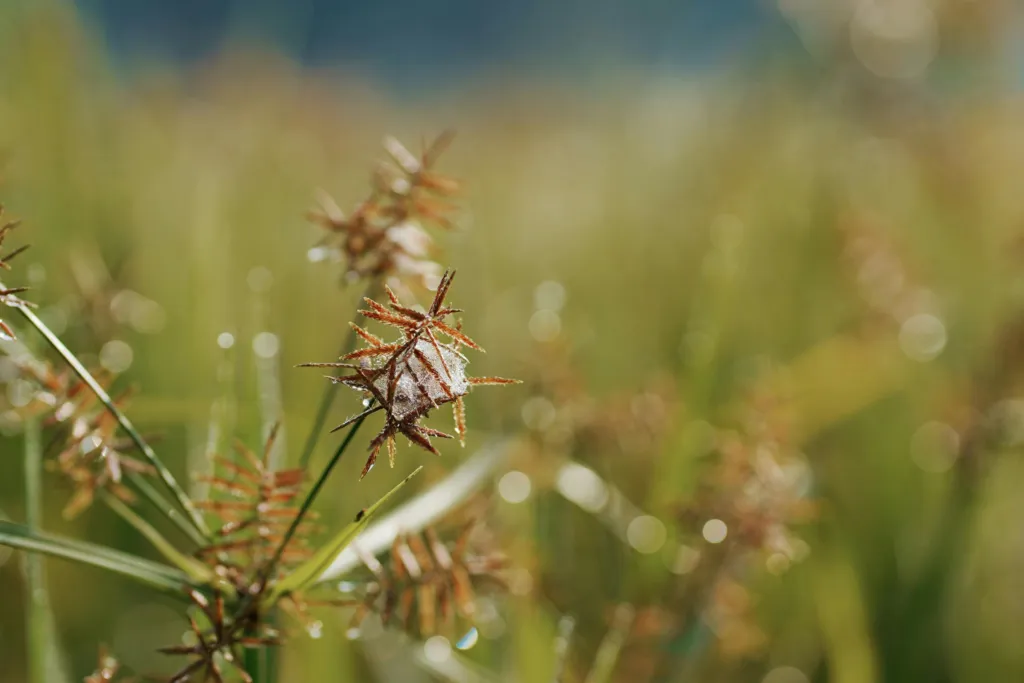
- A spiky, umbrella-like flower cluster at the top when it’s mature
The texture is different from grass as well. Nutsedge leaves have a slight waxy shine compared to most turfgrasses. This creates a non-uniform look in your lawn, which is usually what alerts homeowners and makes them start trying to figure out what grass or weed has invaded their lawn.
Is It Yellow or Purple Nutsedge?
There are two main types of nutsedge you’re likely to see in a residential lawn in the South. They look somewhat similar, but they’re not identical, especially when it comes to how hard they are to control.
Yellow nutsedge is more common across the United States.
- Tends to emerge in early to mid-summer and is slightly more manageable
- Reproduces primarily through nutlets at the ends of underground rhizomes
- Thrives in wet, poorly drained areas and in lawns mowed too short
Purple nutsedge is the more aggressive type.
- Harder to eliminate because its rhizomes produce multiple nutlets along their entire length, so pulling or disrupting the plant can actually spread it
- Tends to appear later in summer and is more common in the southeastern U.S.
- Often requires professional-grade solutions
However, there’s one look-alike weed called kyllinga. It has a weaker root system and is generally easier to control with the right herbicide. Not sure what you’re dealing with? Get a professional to correctly identify the weed before you try using any product.
Why Is Nutsedge So Hard to Kill?
This stubborn weed is made to survive. Its underground nutlets can lie dormant in the soil for months or years before sprouting. That means you may run a successful treatment one season but still find new nutsedge the following spring. In other words, permanently killing weeds like nutsedge is really difficult.
How does nutsedge spread? Through seeds, rhizomes, and nutlets. All at once. Even foot traffic or equipment moving through an infested area can help spread it.
Plus, deep root systems (8 to 18 inches beneath the surface) make hand-pulling a temporary fix. Because it’s extremely difficult to rip out the entire nutsedge plant. More problematic is the fact that a disturbance like hand-pulling can even tell the weed to start growing, making things even worse.
Where & When Does Nutsedge Grow in the South?
If you want to know how to get rid of nutsedge weed, it’s important to know this weed’s preferred conditions.
- Wet or poorly drained soil. Low spots in your yard, areas near downspouts, and compacted clay soils that hold water.
- Overwatered lawns. Frequent, shallow watering keeps the top layer of soil moist, which is ideal for nutsedge.
- Compacted soil. Nutsedge weeds actually thrive where other turf grasses struggle.
Timing-wise, it emerges in late spring after the last frost and hits peak growth during the hottest weeks of summer. You’ll typically see it through early fall before it dies back for winter. But remember, it’s not really gone since the nutlets are just waiting beneath the surface.
Does Nutsedge Damage Your Lawn?
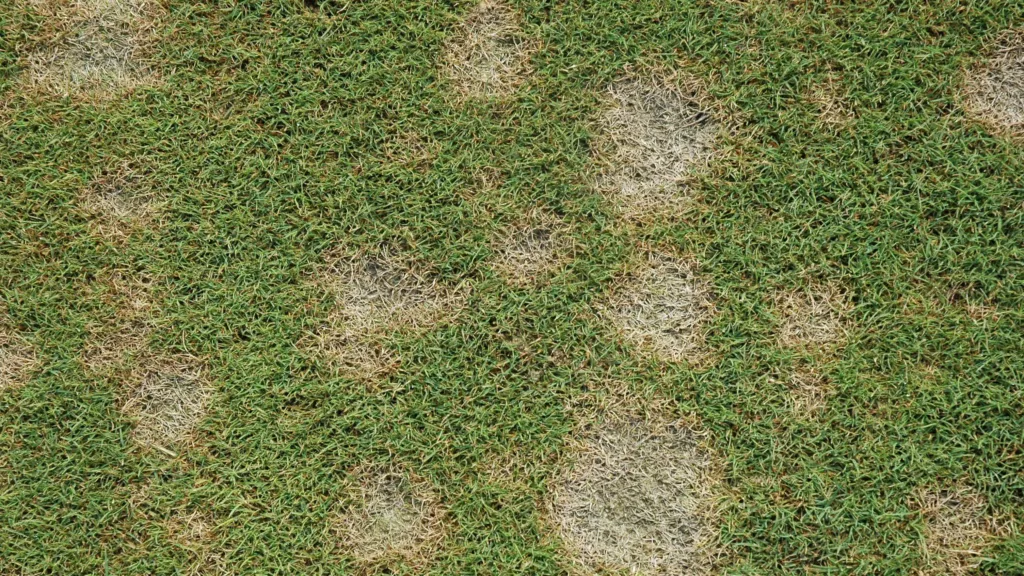
It may not seem like a big deal that there are a few scattered, ugly patches of nutsedge in your yard. However, it can harm your yard faster than you realize. That’s because it grows quicker and taller than most turf grasses, outcompeting your grass for water, nutrients, and space. So by the time you notice it, nutsedge has already been stealing resources from your lawn.
The long-term impact hurts. Nutsedge weakens overall lawn density, leaving thin areas where other weeds can easily move in. And because those underground nutlets keep sprouting, full elimination often takes multiple seasons of consistent treatment. You’re not just fighting what you see today. You’re fighting what’s patiently hiding underground.
How Do You Get Rid of Nutsedge?
There aren’t any products that eliminate nutsedge completely in one shot. And prevention is almost impossible once it’s established. What you’re working toward is weed control. Your goal should be to reduce the population season by season until it becomes manageable. Repeat applications, year after year, are your best bet.
Here’s what an effective 5-step approach looks like:
1: Identify correctly. Confirm you’re dealing with nutsedge (triangular stems, sets of three leaves, rapid regrowth) before selecting any treatment. Using the wrong herbicide wastes time and money.
2: Don’t pull it. Hand-pulling leaves nutlets in the soil and often stimulates more growth.
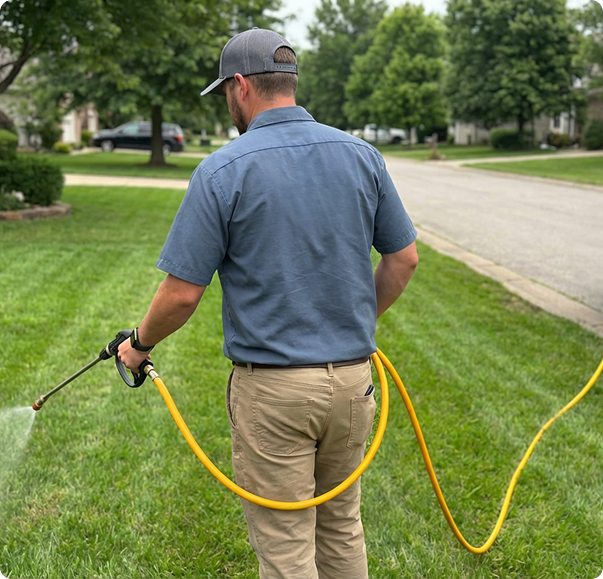
3: Use a targeted herbicide. Nutsedge requires selective herbicides specifically formulated to penetrate down to the tubers. Standard broadleaf weed killers won’t cut it.
4: Time your applications carefully. The best window for treatment is late spring to early summer, when plants are young. Treating actively growing plants gives the herbicide the best chance to get down into the roots.
5: Give the herbicide time to work. Avoid mowing right before or after treatment. The plant needs its leaf surface intact for absorption.
What Is the Best Nutsedge Killer?
For cool-season grasses like fescue or bluegrass, halosulfuron-based herbicides are a proven option to fight yellow and purple nutsedge. Sulfentrazone-based products are another effective choice.
For warm-season grasses like Bermuda, Zoysia, and St. Augustine, the same chemistry generally applies. However, always confirm that the specific product is labeled safe for your grass type. Using the wrong herbicide can damage or kill your turf. If in doubt, call a professional.
How to Prevent Nutsedge
Once you’ve got nutsedge under control, these strategies for prevention will make your lawn a less hospitable place.
- Maintain a dense, healthy turf. Thick grass leaves no room for weeds to establish. Overseed thin areas and fertilize to keep growth vigorous.
- Mow at the right height. Cutting too short stresses turf and gives nutsedge a competitive advantage. Follow recommended mowing heights for your grass type.
- Water deeply and infrequently. This encourages deep grass roots and discourages the surface moisture that nutsedge thrives in.
- Fix drainage problems. Fill low spots, regrade problem areas, and address standing water.
- Aerate regularly. Compacted soil weakens turf and creates conditions where nutsedge gains a foothold.
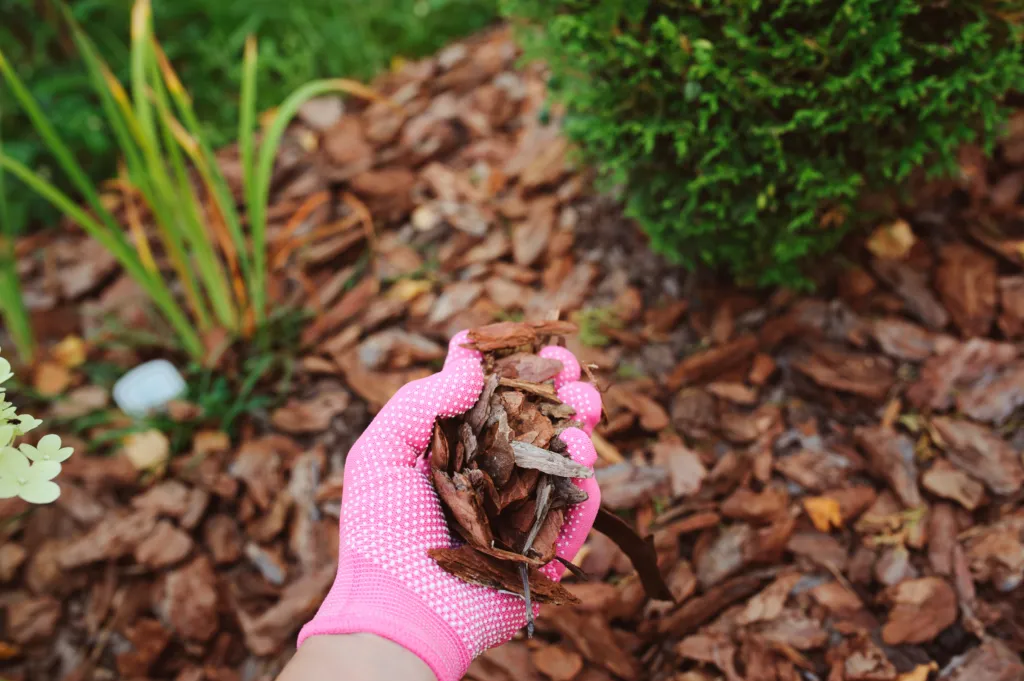
- Mulch at three to four inches. This can help suppress nutsedge emergence.
None of these steps guarantees that you’ll never see nutsedge again, but they shift the odds in your favor.
When to Call a Professional
Already tried DIY nutsedge treatments but it keeps coming back? Just noticed large patches of that bright, spiky growth? It’s time to bring in the lawn care experts at Fairway Lawns. Some situations require professional-grade herbicides, more precise timing, and experienced eyes.
A recurring infestation that spans multiple seasons, nutsedge that’s spread across a significant portion of your lawn, or cases where DIY products haven’t made a dent are signs to reach out to professionals.
We have access to commercial-grade selective herbicides, know the precise application windows, and can assess whether you’re dealing with yellow nutsedge, purple nutsedge, or something else entirely. Getting all of that right really matters in the fight against this pesky weed!
Give Yourself an Edge in the Battle Against Nutsedge
How do you get rid of nutsedge weed? It’s honestly one of the hardest weeds to eliminate since its underground tuber system is clever, it grows lightning-fast, and it takes patience and consistency to bring it under control. But with the right herbicide, timing, and lawn care approach, you can absolutely win this battle.
If you’re ready to stop fighting it on your own, the team at Fairway Lawns knows nutsedge inside and out. We proudly serve seven states and dozens of communities, ensuring high-quality lawn care and pest control services across the South:
Huntsville AL
Birmingham AL
Jacksonville FL
Conway AR
Springdale AR
Ft Smith AR
Little Rock AR
Augusta GA
Tulsa OK
Columbia SC
Greenville SC
Charleston SC
Knoxville TN
Nashville TN
Memphis TN
Blog Contributor: Rodney Eichler
Rodney Eichler serves as the Conway Branch Manager for Fairway Lawns and brings 12 years of experience to the team. He is a Commercial Applicator and Licensed Operator under Classification 4. His background gives him a practical understanding of customer education, field performance, technician growth, and the importance of safe, consistent lawn care operations.