Helpful Tips for Getting Rid of Pesky Biters from Your Yard
Quick Article Summary
- Natural repellents work when plants release oils after being crushed, trimmed, or burned.
- Layer multiple strategies for best results: Plants, oils, standing water removal, fans, yard maintenance, and professional pest control all work better together.
- Lemon eucalyptus oil is the best plant-based option that’s comparable to low-concentration DEET.
- Eliminating standing water is your highest-impact step since mosquitoes breed in bottle caps, gutters, birdbaths, and any pooled water.
- Call the local mosquito experts at Fairway Lawns when natural methods aren’t enough, you have persistent problems, or are experiencing constant bites.
Do Natural Mosquito Repellents Really Work?
Yes, but it depends on how you use them.
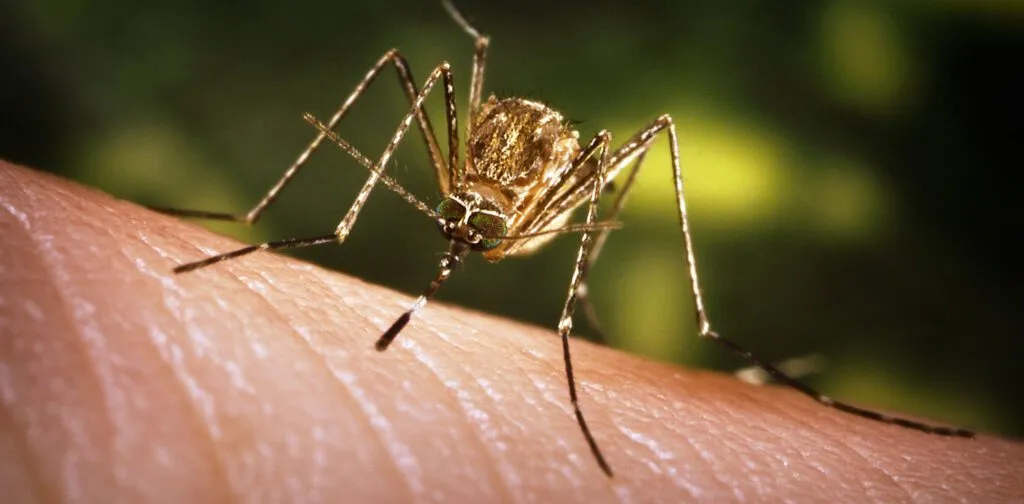
The most common types of mosquitoes find you through a combination of the carbon dioxide you exhale, body heat, and the specific scents your skin produces. Natural repellents work by masking or disrupting those chemical signals.
The catch is that most plants don’t release enough oils just by sitting there. At least, not enough to provide meaningful protection. In other words, a pot of lavender on your deck isn’t going to create a mosquito-free force field around your seating area.
The oils that repel mosquitoes need to be released. That can be done through crushing leaves, trimming stems, applying extracted oils to your skin, or burning plant material near a fire.
Best Natural Mosquito Repellent Plants
If you’re going to build a mosquito-resistant yard, plants are a great place to start. Here’s a breakdown of which specific ones to consider.
Top Proven Plants That Repel Mosquitoes
Herbs & Edibles
Some of the most effective repellent plants are also things you’d grow anyway in a kitchen garden.
Basil is one of the best multitaskers out there. It releases its oils more readily than most plants. Rosemary has a similar quality. Both do particularly well in pots near outdoor seating.
Mint and peppermint are aggressively fragrant, which is exactly what you want. Garlic is another one. Planting it around the perimeter of your yard is thought to create a low-level deterrent. Thyme, especially when burned or bruised, releases thymol, a naturally occurring compound with legitimate insect-repelling properties.
Fragrant Plants & Flowers
Beyond herbs, several flowering plants carry oils that mosquitoes find unappealing.
Lavender is probably the most well-known of these. Its linalool content makes it effective when the flowers are disturbed or when oil is extracted.
Marigolds contain pyrethrum, a compound used in commercial insect repellents, which gives them a legitimate place in the repellent garden.
Citronella grass (often confused with citronella-scented geraniums) is the real deal. It’s the original source of citronella oil, which has effective repellent properties.
Lemongrass is closely related and often used interchangeably in warmer climates.
Geraniums, specifically the Pelargonium citrosum variety, are another solid choice for containers on a patio.
Specialty Plants
Catnip deserves special attention. Research has shown that nepetalactone, the active compound in catnip, can be more effective than DEET in laboratory settings. However, you need to crush the leaves to release.
Lemon balm also has a sharp lemony fragrance that mosquitoes dislike.
Sage is a wonderful candidate for burning near a fire pit. Toss a few sprigs on the coals and the aromatic smoke becomes a natural deterrent.
Eucalyptus rounds out this category, and lemon eucalyptus oil is a plant-based mosquito repellent that’s as comparable in efficacy to DEET.
How Do Mosquito-Repellent Plants Work?
The oils in these plants (citronella, geraniol, linalool, thymol, and others) are volatile compounds. They evaporate into the air and interfere with a mosquito’s ability to detect its targets.
But that evaporation only happens at meaningful levels when the plant is disturbed.
Want to actually get the oils into the air in usable concentrations? Crush a handful of mint leaves and rub them on your arms. Snap a few sprigs of rosemary and drop them near a fan. Or burn herb bundles beside a fire pit.
Regional & Climate Considerations
Not every plant thrives everywhere, and mosquito pressure varies dramatically by region. If you’re in Florida, Texas, or near the coast, you’re dealing with year-round mosquito seasons and hot, humid conditions. Lemongrass, citronella grass, and rosemary will all thrive and provide ongoing benefits.
In the Midwest or up north, you’re working with a spring-to-fall window. Container planting becomes more useful since you can bring plants indoors before the first frost.
In particularly humid regions where mosquito populations spike, plant-based strategies need to be combined with serious water source management.
Best Natural Ingredients That Repel Mosquitoes
Beyond growing plants, applying essential oils to skin or diffusing them outdoors can boost your protection.
- Lemon eucalyptus oil is the gold standard in the natural category, with protection comparable to low-concentration DEET for periods of two to three hours.
- Citronella is familiar to most people through candles, but the pure oil is more concentrated and effective.
- Lavender oil is gentle enough for most skin types and has a pleasant scent that doesn’t scream “bug spray.”
- Tea tree oil has antimicrobial and insect-repelling properties, though it needs careful dilution.
- Geraniol, thyme oil, and cinnamon oil round out the most studied natural options.
How long do these natural repellents last? Typically two to three hours. They’re not as long-lasting as DEET, which can last four to eight hours depending on concentration.
Remember to always dilute essential oils before putting them on your skin as undiluted oils can cause irritation or sensitization. Also, some oils aren’t appropriate for use around young children or pets (tea tree, eucalyptus, and peppermint are particular concerns).
DIY Natural Mosquito Repellent Recipes
You don’t need to spend a lot to make effective repellents at home. Here are a few straightforward options.
Basic spray: Combine roughly one part essential oil (lemon eucalyptus works well) with ten parts of a carrier like witch hazel, distilled water, or a light oil. Shake before each use and reapply every two to three hours.
Oil-based skin repellent: Add three to five drops of your chosen essential oil to one ounce of a carrier oil like fractionated coconut oil or sweet almond oil. Apply to exposed skin, avoiding the eyes and mouth. This version tends to last a bit longer than water-based sprays.
Outdoor solutions: Citronella candles are the classic option. Burning herb bundles (rosemary, sage, thyme) near a grill or fire pit creates aromatic smoke that repels mosquitoes in the immediate area. And simply crushing and scattering lavender or mint leaves around a seating area adds a lower-level deterrent.
3 More Natural Ways to Keep Mosquitoes Away
The most effective natural strategy removes the conditions that allow mosquito populations to grow in the first place.
- Remove any standing water. Mosquitoes can breed in standing water, even small amounts, like what collects in a bottle cap. Clean out gutters, overturn buckets, refresh birdbaths weekly, and check for any spots where water pools after rain. A single neglected container can produce hundreds of mosquitoes.
- Use airflow strategically. Mosquitoes are weak fliers. A simple box fan aimed at your seating area makes it significantly harder for them to land. Plus, the airflow disrupts the CO2 plume that attracts them to you in the first place.
- Maintain your yard. Tall grass, dense shrubbery, and shaded, damp areas are where mosquitoes rest during daylight hours. Keeping grass trimmed and clearing out overgrown areas reduces the habitat available to them.
Interested in learning more? Discover additional tips for controlling mosquito activity.
Natural vs Chemical Repellents
Natural repellents are appropriate for everyday backyard use, such as evening cookouts, time on the deck, gardening, etc. The shorter protection window is manageable when you’re near your house and can reapply.
DEET, on the other hand, is the better choice for situations where mosquitoes pose a disease risk or prolonged outdoor exposure where reapplication isn’t practical. T
Picaridin is another synthetic option worth knowing about. It’s effective, odorless, and gentler on plastics and fabrics than DEET.
Myths About Mosquito-Repellent Plants
A couple common misconceptions are worth addressing directly, so you know what’s actually true.
Myth: A plant in a pot will repel mosquitoes in its vicinity.
Reality: Plants only release their oils when disturbed. A container of citronella grass doesn’t really protect you. The physical act of releasing the oils (crushing, trimming, burning) is what produces the effect.
Myth: One plant or one approach is enough.
Reality: Mosquito management should be multi-layered. A yard with repellent plants, applied oils, no standing water, and good airflow is way better than a yard relying on any single element.
Best Natural Mosquito Repellent Strategy
Put it all together and you get a layered approach that actually works:
- Plant mosquito-repellent herbs and flowers near seating areas, doorways, and pathways
- Apply essential oil-based repellents to skin when spending extended time outdoors
- Remove every source of standing water you can find
- Use fans to create airflow in outdoor gathering spaces
- Keep grass trimmed and vegetation near the house managed
Think of plants as a supporting layer, not the foundation. The foundation is eliminating breeding habitat and using applied repellents when you need genuine protection.
Natural vs Professional Mosquito Control
When Natural Methods Are Enough
If you have a modest yard, experience only occasional mosquito activity, and are mainly concerned about comfort during outdoor activities, a solid natural strategy will serve you well.
This includes getting rid of any standing water, using plant-based deterrents, applying oils, and using fans. Many homeowners get by just fine with this strategy.
When to Consider Professional Mosquito Control
Let’s be honest. A mosquito problem can make going outside a big pain. It changes whether a patio feels usable, whether kids can play comfortably, whether pets stay outside, and whether people want to spend time in the yard at all.
Once mosquito pressure gets high enough, people start planning around the problem instead of enjoying the space.
Are you constantly getting bitten? Do you live near a pond, lake, or marsh? Natural mosquito repellents and DIY efforts can help, but expert pest control is far more effective.
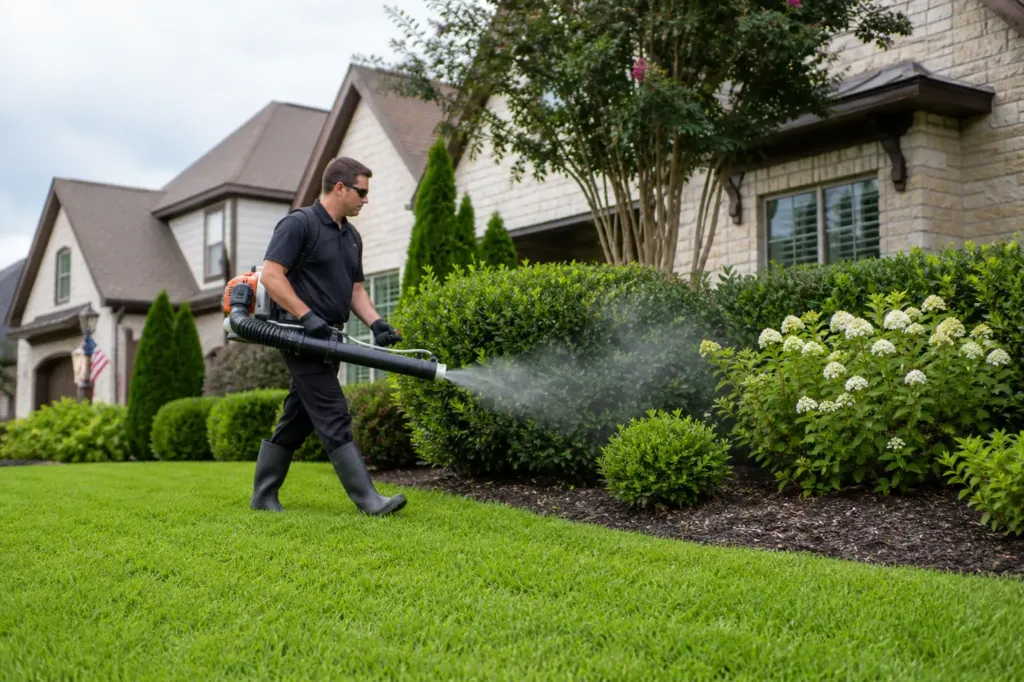
With ongoing professional mosquito control from Fairway Lawns, you can reduce active mosquitoes, target breeding and resting areas, and enjoy your time outside so much more.
We also offer eco-friendly mosquito buckets and traps. This botanically based, green method of mosquito control deals with the mosquitoes coming from your yard, neighbors’ yards, and any woods or water areas nearby.
Traps effectively kill existing mosquitoes, while buckets quickly stop mosquito reproduction. Combine with our mosquito spray service for the most comprehensive control!
Keep Mosquitoes From Bugging You!
When used in the right ways, natural mosquito repellents can help deter pesky biters from your yard. The right plants and oils add an important layer in protecting your family and pets from mosquitoes. However, professional treatments play a crucial role in reducing the current (and future) number of mosquitoes buzzing around your lawn.
Fairway Lawns builds mosquito control around trained technicians, specialized equipment, and recurring services. We talk through the outdoor areas of concern before the first treatment and tailor our services to your specific property. Reach out today to learn more!
We proudly serve seven states and dozens of communities, ensuring high-quality lawn care and pest control services across the South:
Huntsville AL
Birmingham AL
Jacksonville FL
Conway AR
Springdale AR
Ft Smith AR
Little Rock AR
Augusta GA
Tulsa OK
Columbia SC
Greenville SC
Charleston SC
Knoxville TN
Nashville TN
Memphis TN

 Ice + Snow = Slips and Falls! Order Ice Melt now. Starting at $59/bucket. Free delivery!