Expert Tips for Growing a Thick Southern Lawn in Shady Areas
Quick Article Summary
- Warm-season southern lawns perform best with St. Augustine or Zoysia grass
- Choosing shade-tolerant cultivars is also important, with the best St. Augustine cultivars being Seville, Sapphire, Palmetto, and Bitter Blue, and the best Zoysia grass cultivars being Zeon and Geo
- Coastal regions need to balance shade tolerance with smart irrigation management and healthy soil conditions
- Bermuda grass should be avoided in shaded areas
- Local climate, humidity levels, and seasonal timing influence your success and should guide grass choice
- Shade creates multiple problems: slower growth, weaker roots, higher disease risk, and competition from tree roots
- Grass can thrive in shade with the right type and consistent lawn care from Fairway Lawns
- Annual aeration, correct mowing heights, less frequent watering, and pruning overhead trees all help
Why Does Shade Make Growing Grass Difficult?
Limited sunlight makes it hard for grass to photosynthesize efficiently. The result? Slower growth, weaker root systems, and turf that struggles to recover from foot traffic. B
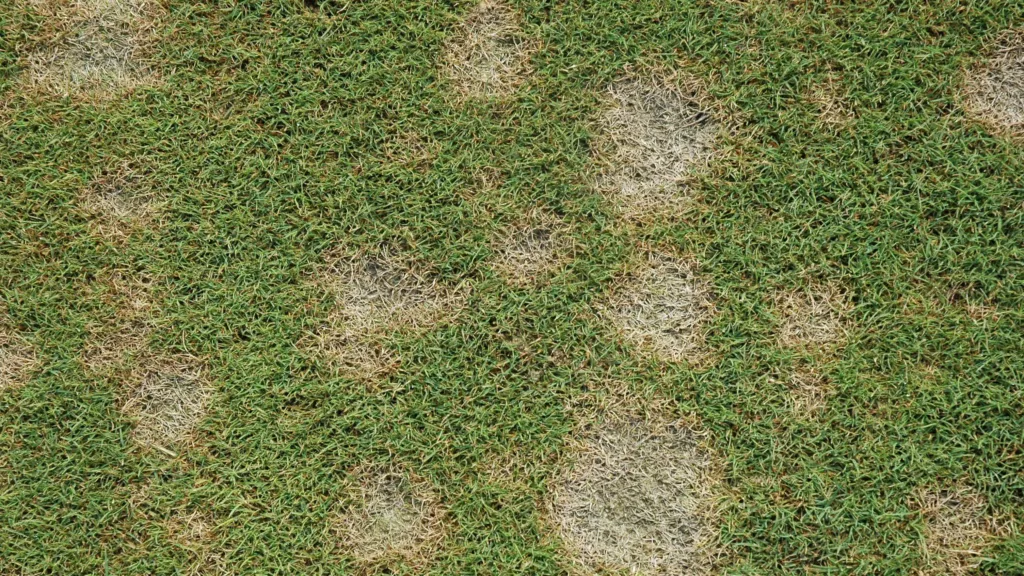
Shaded areas also tend to stay moist longer, which creates the perfect environment for fungal diseases. Add tree roots competing for water and nutrients, plus soil that gets compacted over time. Suddenly, that bare patch under your maple tree makes a lot more sense.
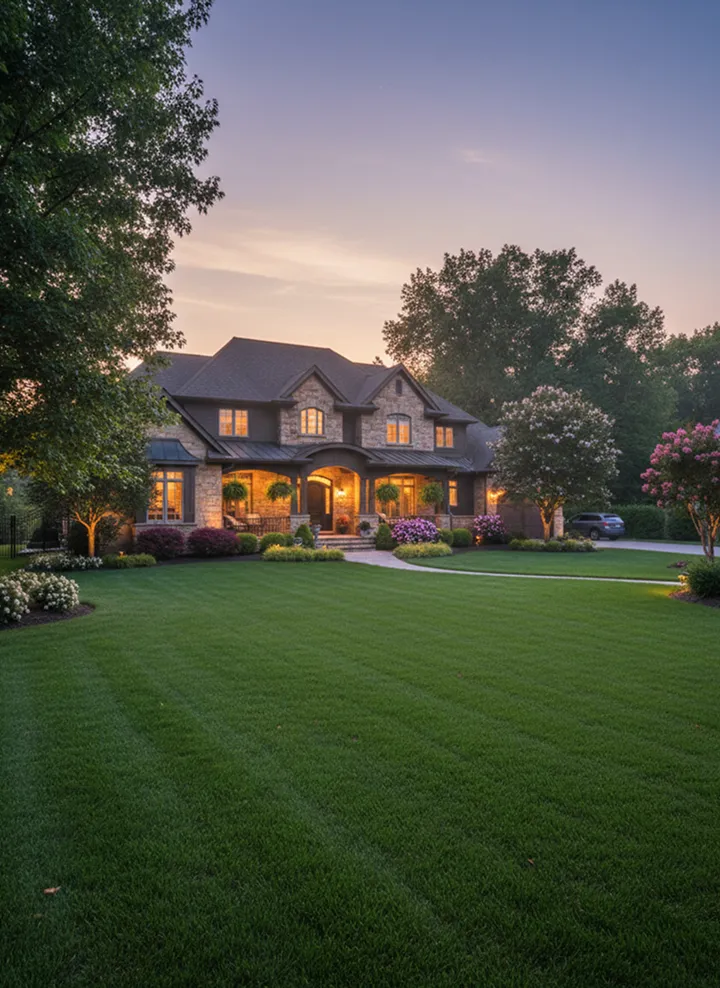
Shaded lawns simply require more attention than their sunny counterparts. That’s just the reality. But with the right grass species and a few smart maintenance habits, you can grow a lush lawn in low-light areas.
How Much Sunlight Does Grass Need?
Most grasses prefer six or more hours of direct sun each day. Any less than that and you’re working against the plant’s natural needs.
If an area gets at least three to four hours of direct sun, or four to six hours of dappled light, certain shade-tolerant grasses can still thrive. Below that amount? You’ll probably be dealing with thinning turf or a really difficult situation, no matter what seed you plant.
Dappled light is actually easier on grass than full deep shade. A yard with a few mature trees letting sunlight peek through the leaves throughout the day is different from an area that lets in almost no light at all.
What Are the Different Types of Shade?
Shade comes in a few types, and the grass that works in one type might struggle in another:
- Dappled shade is filtered light through a loose tree canopy, which is the most forgiving scenario for grass
- Partial shade is a few hours of indirect or direct sun daily that’s workable with the right grass variety
- Full shade means there’s minimal direct sunlight, which requires really tolerant species and realistic expectations
- Deep shade is a dense canopy or permanent structure blocking nearly all light, so grass is rarely viable here
Matching your grass choice to your actual shade type is extremely important! Skipping this step is one of the most common mistakes homeowners make.
What Are the Best Grass Types for Shady Lawns?
Warm-Season Grasses
St. Augustine grass tops the list for Southern homeowners since this grass can get by on just three to four hours of direct sun.
It spreads via stolons, forming a dense, lush carpet that crowds out weeds when it’s healthy. St. Augustine thrives in sandy, well-drained soils and handles coastal conditions well. It’s even tolerant of saline irrigation and brackish water.
For homeowners in the South, it’s the gold standard for shaded lawns. Just keep in mind that it needs consistent watering and fertilization. Plus, it’s susceptible to pests like chinch bugs.
Zoysia grass is another excellent option, especially for homeowners who want a fine-textured, dark green lawn with solid shade tolerance.
It forms a thick, dense turf that’s surprisingly resilient. For instance, it handles moderate foot traffic well and adapts to a range of soil types. It’s also slow-growing, which cuts down on mowing frequency.
The main downside of Zoysia is thatch buildup. Lawns with this kind of grass typically need periodic dethatching to stay healthy.
For those in coastal areas, Paspalum is gaining traction as a shade-tolerant option, especially in areas with salinity concerns. Kikuyu grass also shows up in limited warm regions but isn’t widely available or recommended outside specific microclimates.
The Importance of Cultivar Selection
Keep in mind that not all St. Augustine and Zoysia grass is the same. You can pick the right grass species for shade and still end up with a thin, struggling lawn. Why? Because you grabbed the wrong cultivar.
For St. Augustine lawns in the shade, look for these cultivars: Seville, Sapphire, Palmetto, and Bitter Blue. These specific varieties have been selected to handle lower light conditions much better than standard St. Augustine.
For Zoysia grass in shaded areas, Zeon and Geo are your best bets. They’re widely considered the top performers when sunlight is limited.
Why does this matter? Because you could do everything right and still be disappointed if you picked a cultivar that simply doesn’t tolerate shade well. That’s not a failure on your part. It’s just a mismatch between what you bought and what your yard actually needs.
A Couple of the Worst Grasses for Shaded Areas?
Bermuda grass grows densely and recovers from wear exceptionally well, but it struggles badly in shade. Even moderate canopy cover can cause a Bermuda lawn to thin out and decline.
Buffalo grass has the same limitation. Most full-sun turf varieties marketed for their durability or drought resistance tend to fall apart in shaded conditions
5 Steps to Choose the Right Grass for Your Yard
- Measure your sunlight. Observe the area in the morning, at midday, and late afternoon. Count the hours of direct versus dappled light.
- Identify your shade type. Is it dappled, partial, full, or deep?
- Assess your soil. Sandy soil, clay soil, and compacted soil all behave differently. A simple soil test (available at most garden centers or through your local extension office) can tell you a lot.
- Think about traffic. Do kids or dogs use that area regularly? High-traffic zones need more durable varieties. A purely decorative bed under a tree can tolerate a more delicate grass types.
- Match to your region. Climate is the final filter. A grass that thrives in Nashville might struggle in Jacksonville’s humidity or fail entirely in a drier Oklahoma summer.
Lawn Care Tips for Grass That Grows in Shade
Aeration. Tree roots and reduced foot traffic cause soil to compact over time. Annual aeration improves water penetration, reduces compaction, and gives grass roots more room to grow. It also improves seed-to-soil contact if you’re overseeding.
Watering. Shaded areas stay moist longer, so you actually need to water less than in full sun. However, you should water deeply and infrequently. Overwatering in shade is a fast path to root rot and fungal problems.
Mowing height. Shade-grown grass should be cut taller rather than scalped short. Taller blades capture more of the limited light available, store more energy, and develop deeper root systems.
Fertilization. Tree roots compete aggressively for nutrients, so the grass above often comes up short. A balanced fertilizer applied in spring and fall helps compensate, though you should avoid over-applying nitrogen.
Pruning. If you have mature trees with dense canopies, raising the lower limbs and thinning branches can meaningfully increase the light reaching your lawn.
Common Problems With Shaded Lawns
Have thin or patchy spots? Overseed annually in late spring for warm-season grasses to maintain density. Don’t wait until you have bare dirt!
Moss and weeds love the same moist, shaded conditions that stress grass. If moss is taking over, that’s a sign your soil pH may be too low or your drainage is poor.
Fungal disease shows up as discolored patches, matted grass, or a powdery coating. Reduce moisture by watering in the morning, improving airflow through pruning, and avoiding overwatering.
Grass not growing in deep shade? If an area gets fewer than three hours of sun and sits beneath a dense canopy, grass may simply not be viable.
Avoid These Typical Mistakes for Shaded Lawns
- Choosing a full-sun grass variety because it looked good at a neighbor’s house
- Overwatering because the area “looks dry”
- Mowing too short in an attempt to “clean up” the lawn
- Falling for marketing claims on products labeled “miracle shade grass” that might grow in deep shade
How to Plant the Best Grass Seed in Shaded Areas
- Loosen the soil with a rake or aerator.
- Apply seed at the rate recommended on the package. Shade areas often benefit from going slightly heavier to compensate for lower germination rates.
- Cover lightly with a thin layer of topsoil or lawn topdressing to protect seeds from drying out.
- Apply starter fertilizer to give new seedlings the nutrients they need to establish.
- Keep the area consistently moist during the two to three week germination window.
Timing matters too. In the South, spring or early summer gives warm-season grasses like St. Augustine and Zoysia the heat they need to establish quickly.
Call the Lawn Care Experts in the South!
Yes, there’s grass that grows in shade. Want to have a better chance at success? Reach out to one of the professionals at Fairway Lawns. We can evaluate your actual sunlight patterns and soil conditions before recommending the right grass type for your specific lawn.
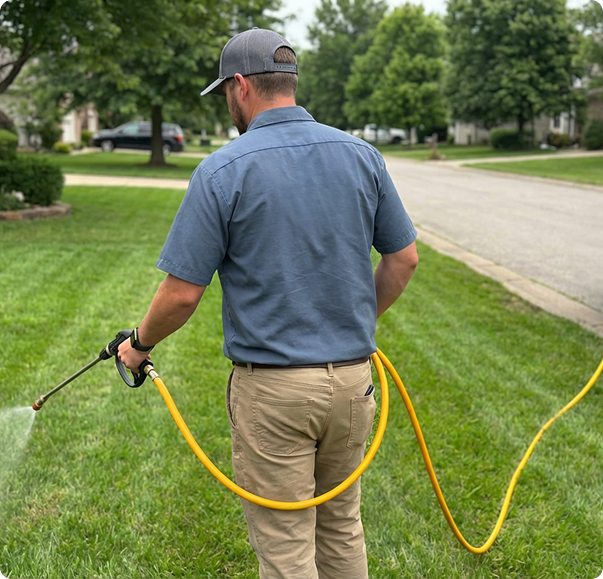
Beyond the diagnosis, our trained technicians can perform aeration and soil amendments correctly and manage fertilization and irrigation schedules that account for the unique demands of shaded turf.
Fairway Lawns proudly serves seven states and dozens of communities, ensuring high-quality lawn care and pest control services across the South:
Huntsville AL
Birmingham AL
Jacksonville FL
Conway AR
Springdale AR
Ft Smith AR
Little Rock AR
Augusta GA
Tulsa OK
Columbia SC
Greenville SC
Charleston SC
Knoxville TN
Nashville TN
Memphis TN
Grass & Shade FAQs
-
Can grass grow in full shade?
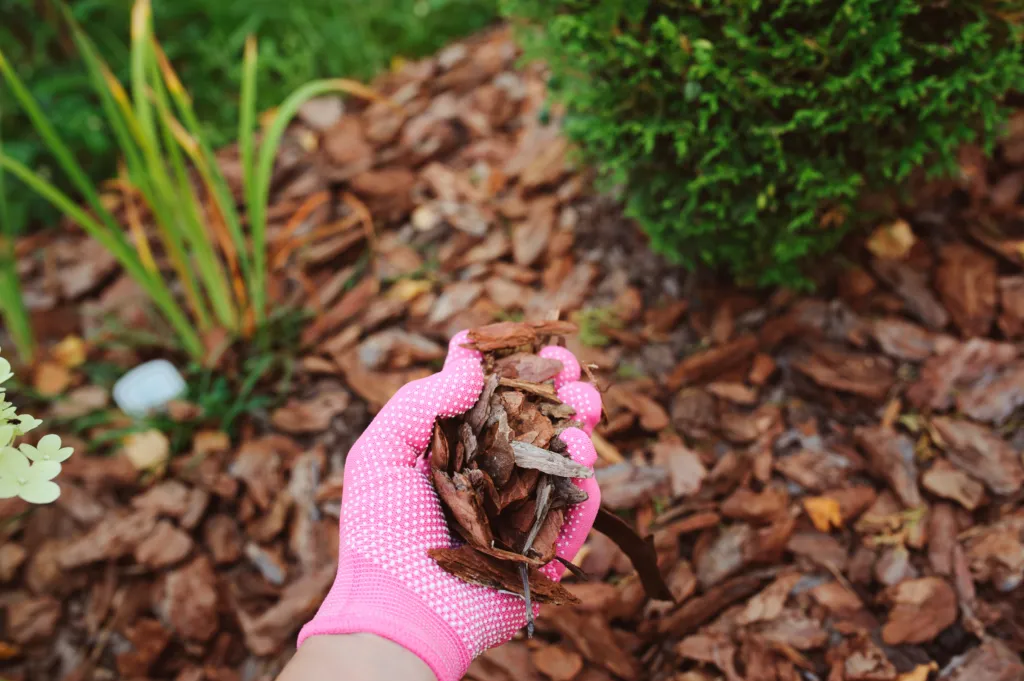
Most true grasses cannot survive in full, deep shade with less than three hours of light. In deep shade, ground covers or mulch beds are often more practical than turf.
-
What grass needs the least sunlight?
For warm-season climates, St. Augustine grass handles the lowest light of any common turfgrass. Fine fescue varieties have the highest shade tolerance among cool-season grasses.
-
How do I thicken grass in shade?
Proper mowing height, strategic aeration, and consistent fertilization. Pruning overhead trees to let in more light helps too.
-
Is there a grass that grows under trees?
Fine fescue blends in the North and St. Augustine in the South are your best bets.
Blog Contributor: Jeremy Bennett
Jeremy Bennett serves as Area Manager for the Charleston, Columbia, and Greenville Fairway Lawns locations, with 26 years of experience in the industry. He is certified in Class 3 Turf and Ornamental and Class 7A Mosquito and Pest. His professional insight comes from field leadership, customer interaction, and helping properties achieve visible lawn care results through consistent service.