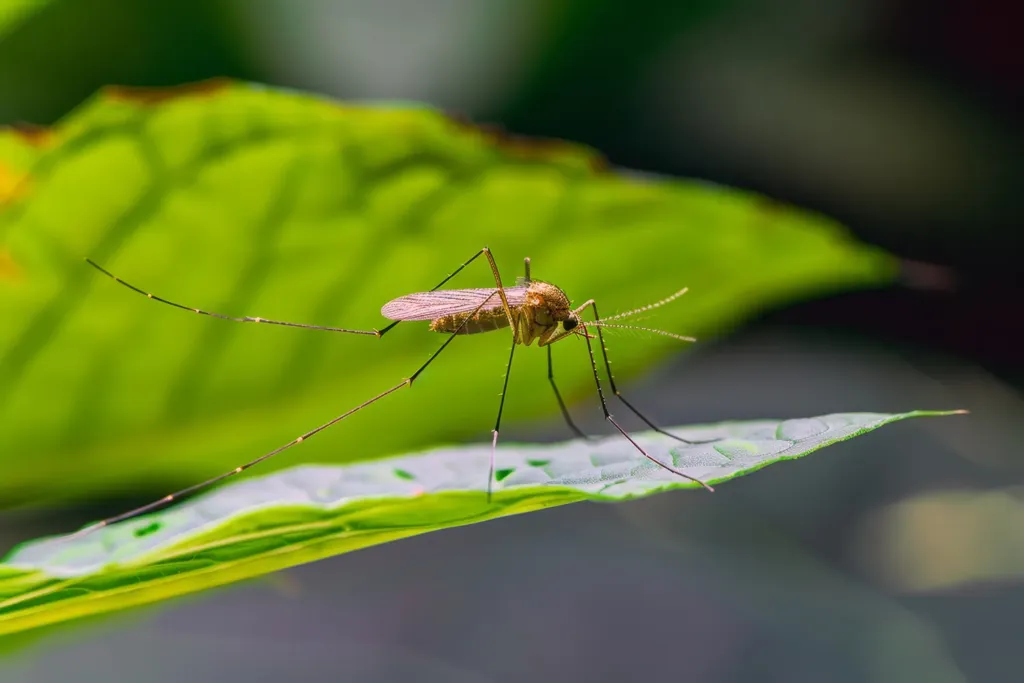
Bed bugs are more than just a nuisance; they can cause serious discomfort and health issues if not addressed promptly. These tiny, elusive pests are experts at hiding, which makes identifying an infestation challenging. However, early detection is crucial to prevent them from spreading and becoming a bigger problem. Understanding the common signs of bed bug presence can help you take swift action.
A hand holding a magnifying glass over a white pillow, with bed bugs visible through the lens.
Detecting bed bugs early can save you from a lot of trouble and expense. Small, reddish-brown bugs are just one indicator; there are other signs that can alert you to their presence. Besides physical sightings, things like tiny blood stains on your sheets or itchy welts on your skin are clues that bed bugs might be lurking around. Knowing what to look for can help you act quickly and keep the infestation from spreading.
It’s not enough to just know the signs of bed bugs; you also need to understand how to properly inspect your living space. Conducting a thorough examination of common hiding spots can confirm your suspicions and guide your next steps.
Professional intervention is often necessary to completely eradicate the problem, and knowing when to call for expert help can make all the difference in effectively handling the issue.
7 Common Signs of a Bed Bug Infestation
Identifying a bed bug infestation early can save you from a lot of discomfort and hassle. Because bed bugs are small and good at hiding, the best approach is to look for several signs together rather than relying on any single clue. Here’s what to watch for:
- Live Bed Bugs: Bed bugs are active mostly at night and hide in tight spaces during the day, so check mattress seams, box-spring edges, headboards, bed frames, and the folds of nearby furniture with a flashlight.
- Rusty or Reddish Stains: Tiny rust-colored or reddish smears on sheets, pillowcases, or mattresses are often blood stains. They can come from crushed bugs or from bites that continue to bleed slightly after a bed bug feeds.
- Tiny Black or Dark Fecal Spots: Bed bug droppings look different from blood stains. These fecal spots are tiny, dark brown or black dots, about the size of a pen tip, and they’re often found in clusters along mattress seams, tags, and bed frames. Fecal matter may bleed into the fabric like a marker stain when wiped with a damp cloth. Finding bed bug droppings is one of the most reliable signs of an active infestation.
- Eggs and Eggshells: Bed bug eggs are tiny, pale white or yellowish specks, roughly the size of a pinhead. Look for eggs and empty eggshells tucked into cracks, crevices, and seams, where females often lay them in small groups. You may need a magnifying glass.
- Cast Skins and Shed Exoskeletons: Bed bugs shed their skin as they grow, leaving behind translucent, empty shells. These husks, which keep the shape of the bug, collect around beds, mattress seams, and nearby furniture.
- Itchy Welts and Bites: Waking up with red, itchy welts is a common reason people suspect bed bugs. Bites often show up on exposed skin, such as the arms, neck, shoulders, and legs, and may appear in clusters, lines, or a zigzag pattern. However, bites alone cannot confirm bed bugs since skin irritations from other pests can look similar. Reactions to these bites vary: Some people show no visible reaction at all, while others develop bite reactions days after being bitten, making it hard to pinpoint when or where the bites happened, so be sure to look for physical evidence of bed bugs as well.
- Musty Odor: Bed bugs release a musty smell from their scent glands. If your bedroom smells unclean even after cleaning, this could be another clue. The odor is often described as a mix of rotting fruit and wet towels, and it tends to be stronger in larger infestations.
What Do Bed Bugs Look Like?
Knowing what you’re looking for makes it much easier to confirm a problem.
- Adult bed bugs are reddish-brown, flat, and oval, with no wings, and are roughly the size of an apple seed.
- Nymphs, or young bed bugs, are smaller than adults and lighter in color, often pale and translucent. They darken and grow as they shed their skin.
- Eggs are tiny, pale or white specks that are easy to overlook.
- Recently fed bugs can look swollen and redder than usual, since they’re full of blood.
How to Conduct a Thorough Bed Bug Inspection
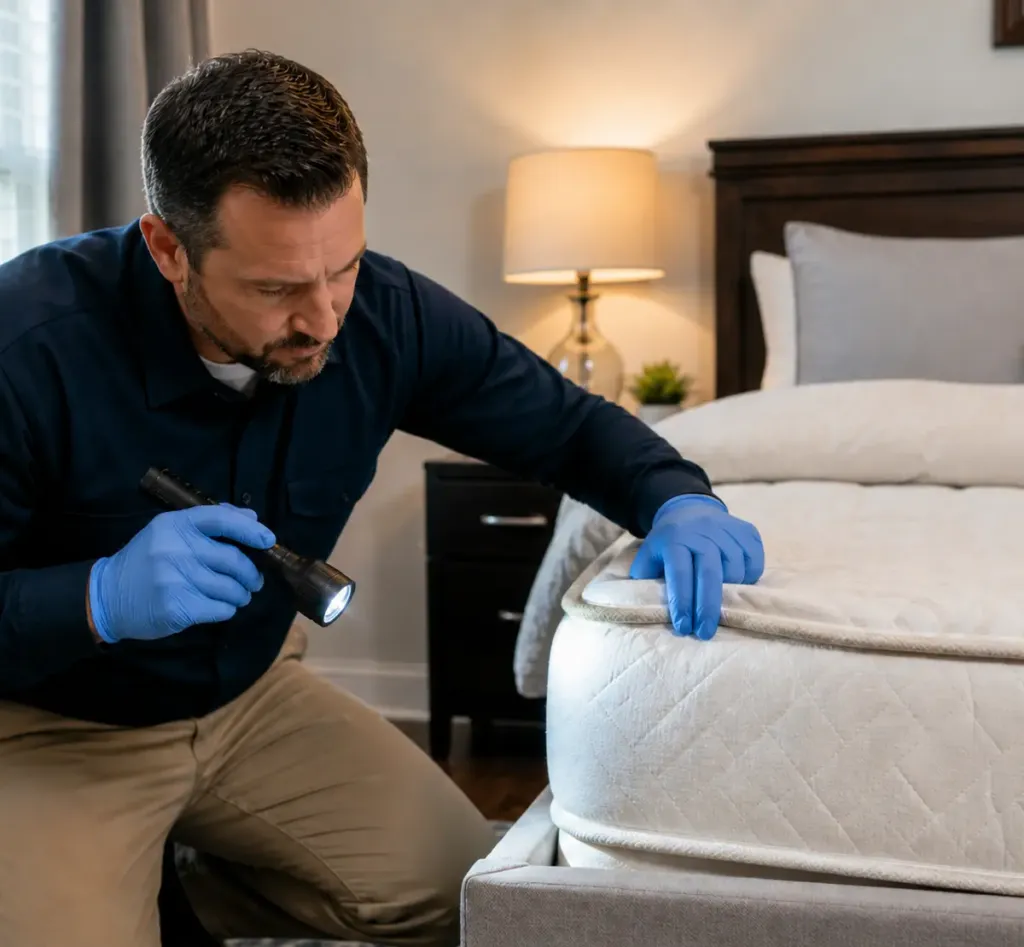
If you suspect bed bugs, a detailed inspection is the best way to confirm their presence. Bed bugs are primarily active at night, when they come out to feed, and spend the daytime hiding in tight spaces known as harborages.
They tend to gather in groups, called aggregations, so when you find one hiding spot, there are often more bugs nearby. Because they molt as they grow, you’ll often find cast skins in these same aggregation areas. That makes them a helpful clue when you’re searching. Here’s what else you need to get and need to do.
Gather the Right Tools
A few simple items make your search much more effective:
- A bright flashlight to light up dark cracks and crevices.
- A magnifying glass to spot tiny eggs, fecal spots, and translucent cast skins.
- A flat-edged tool, such as a stiff card or putty knife, to probe tight seams and gaps and to dislodge anything hiding inside.
Inspect In an Orderly Way, Starting at the Bed
Bed bugs feed on people who are still for long periods, so begin where you sleep or rest and work outward. Moving in an orderly pattern keeps you from missing hidden spots.
Remember that in a larger infestation, bed bugs spread farther from the sleeping area, so don’t stop at the bedroom’s edge if you’re still finding signs.
Check the Bed Thoroughly: Strip the bed and examine all bedding, then inspect the mattress closely. Check the seams, piping, tags, and tufts, where bed bugs often tuck in. Then move to the box spring, looking along the edges, underneath, and inside any fabric folds.
Finish with the bed frame and headboard, checking joints, screw holes, and any cracks in the wood. Look for multiple types of evidence together: live bugs, fecal spots, eggs, and cast skins. Finding more than one type is the strongest confirmation.
Inspect Nearby Furniture: Bed bugs spread to furniture close to where people sleep. Check nightstands and dressers, paying attention to drawer joints and the undersides of drawers.
On couches and chairs, inspect the seams, folds, and the area underneath cushions. Use your flat-edged tool to run along tight seams, and your flashlight to see into dark corners.
Examine the Room’s Edges and Walls: Follow the room’s perimeter next. Check along the baseboards, carpet edges, and any cracks in the wall or floor.
Look at peeling wallpaper and the junctions where walls meet the ceiling, since bed bugs can slip into very narrow gaps. Remove pictures and other wall hangings, and inspect both the backs and the wall behind them.
Don’t Forget Outlets, Switches, and Curtains: Bed bugs can hide inside electrical outlets and light switches, particularly near beds, so check around the covers and edges with your flashlight. (Never remove a cover or insert any tool into an outlet, as this poses a shock risk.
Leave that to a professional.) Also check curtains, especially the folds and seams, and the areas where they meet the wall or rod.
Check Luggage, Clothing, and Belongings: Bed bugs travel easily on personal items, so inspect suitcases, backpacks, clothing piles, boxes, and other belongings stored near the bed. These are common hitchhiking spots, and they can introduce bed bugs into new areas of your home.
Use Interceptors and Monitors: Rather than relying on sticky tape, place bed bug interceptor traps under the legs of your bed and furniture. These specially designed cups trap bed bugs as they climb up or down, helping you confirm activity over several days.
You can also use bed bug monitors near suspected harborages for added detection.
Being thorough and methodical increases your chances of spotting bed bugs early, so you can act before the infestation grows. If you find signs in more than one area, or you’re unsure what you’re seeing, a professional inspection can confirm the problem and help you plan the next steps.
What to Do If You Find Bed Bugs
Discovering bed bugs in your home can be unsettling. However, a quick response can keep a small problem from spreading. Here’s how to take control in the first few days.
Act right away to limit further spread. Start by containing the problem to the area where you found them, then work through the steps below.
Wash and high-heat dry bedding, clothing, and washable fabrics. Heat is one of the most effective weapons against bed bugs. Bag items securely before carrying them to the laundry, wash them in the hottest water the fabric allows, then dry on high heat for at least 30 minutes.
Vacuum beds, furniture, floors, cracks, and crevices. Bed bugs hide in tight spaces, so go beyond the obvious. Use a crevice attachment along mattress seams, box springs, headboards, bed frames, baseboards, and the edges of carpets and upholstered furniture.
Dispose of or contain vacuum contents carefully. Don’t let any captured bugs escape! Empty the canister or seal the vacuum bag in a plastic bag, tie it tightly, and throw it away in an outdoor trash bin ASAP.
Reduce clutter and hiding places. Piles of clothes, stacked papers, and items stored under the bed give bed bugs more places to hide and make treatment harder. Clear the area around sleeping spaces and store essentials in sealed plastic bins.
Consider mattress and box-spring encasements. Bed bug-rated encasements trap any bugs inside and eliminate hiding spots in your mattress and box spring. They also make future inspections much easier.
Avoid moving infested belongings into other rooms. You may want to relocate your bedding or sleep on the couch, but this can carry bed bugs to new areas. Try to keep affected items bagged and contained until they’ve been treated.
Call the professional pest control team at Fairway Lawns. DIY steps can help reduce numbers, but they rarely eliminate an infestation. Once bed bugs are confirmed, or if you’re still seeing signs after your best efforts, professional treatment is the fastest and most reliable path to relief.
The sooner you act, the easier it is to get your home, and your peace of mind, back.
Risks of Ignoring Bed Bug Problems
Ignoring a bed bug infestation can lead to several significant problems. These pests reproduce quickly and can spread throughout your home, leading to a more extensive and more challenging issue.
- Increased Infestation: Bed bugs breed rapidly. If ignored, what begins as a small problem can quickly become a major infestation. As they multiply, they spread to other areas of your home, including furniture, clothing, and even nearby rooms, making it much harder to control.
- Health Issues: Bed bug bites can cause itchy welts and allergic reactions in some people. Constant itching can lead to skin infections from scratching. The presence of bed bugs can also cause anxiety and sleep disturbances, affecting your well-being and quality of life.
- Costly Treatments: The longer you wait to address a bed bug problem, the more expensive it becomes to treat. Early intervention with professional treatment is often more cost-effective. Large infestations may require multiple treatments and more extensive measures to eradicate, which drives up costs.
- Property Damage: Bed bugs can cause damage to your belongings. They can stain fabrics with their excrement and leave shells and blood stains on furniture and bedding. This damage can be permanent, requiring you to replace costly items.
When to Seek Professional Bed Bug Treatment
Knowing when to call in a professional can make all the difference in effectively dealing with bed bugs. Here are some indicators that it’s time to seek expert help:
-
- Persistent Signs: If you continue to notice signs of bed bugs despite your efforts to control them, it’s time to call a professional. Persistent bites, stains, and sightings indicate that the infestation is beyond simple do-it-yourself solutions.
- Large Infestation: If you find bed bugs in multiple areas of your home, it’s likely a large infestation. Professionals have the experience and tools needed to handle extensive infestations safely and effectively.
- Confirmation of Bed Bugs: Sometimes, it’s hard to be sure you have bed bugs. Professionals can confirm their presence using specialized equipment and techniques, saving you from unnecessary treatments.
- Health Concerns: If bed bugs are causing health issues, such as allergic reactions or sleep problems, professional treatment can provide relief and help you regain your peace of mind.
Don’t wait for the problem to escalate. Professional pest control experts have the knowledge and resources to efficiently eliminate bed bugs, ensuring your home is safe and comfortable again.
Want to keep bed bugs away for good after a treatment? Once your home is bed bug-free, a few simple habits can help keep it that way.
- Carefully inspect your luggage and clothing after you travel. When you get home, remember to check suitcases and unpack directly into the washing machine or dryer if possible.
- Whether you got something from Facebook Marketplace or the resale shop down the street, be sure to inspect secondhand upholstered furniture before bringing it inside.
- Vacuum and inspect sleeping areas regularly, paying attention to seams, folds, and headboards where bed bugs tend to hide.
- Reduce clutter around beds to eliminate other potential hiding spots.
- Check mattress and box-spring encasements and monitoring traps regularly for any signs of new bed bug activity.
If you spot anything suspicious, reach out to our pest control experts right away so a small problem doesn’t become a big one.
Signs of Bed Bugs: What to Look For and When to Take Action
Dealing with bed bugs can be a daunting task, but early detection and prompt action are key to managing the problem. By understanding the common signs of a bed bug infestation and knowing how to conduct thorough inspections, you can identify these pests before they become a significant issue. Ignoring the problem can lead to health risks, property damage, and increased costs, making it important to intervene early.
When the situation calls for it, seeking professional bed bug treatment is the best course of action. Experts can effectively eliminate the infestation, providing peace of mind and a healthier living environment. At Fairway Lawns, we offer comprehensive solutions to address bed bug problems in Little Rock and Springdale, Arkansas.
Don’t let bed bugs take over your home—contact Fairway Lawns today for expert assistance.
Blog Contributor: Dylan Walker
Dylan Walker serves as the Augusta Branch Manager for Fairway Lawns, with 20 years of experience in lawn and landscape care. He holds pesticide licenses in Georgia, South Carolina, and Colorado across turf, ornamental, agricultural weed, industrial and right-of-way, and mosquito categories. He is also a Certified Landscape Technician through NALP and holds a Bachelor of Science in Environmental Horticulture with a Turfgrass Management concentration from Colorado State University.