Best Practices, Timing & Tips for Mowing Leaves
Quick Overview:
- Mulching saves time, feeds soil naturally, and cuts landfill waste
- Mulch light layers of leaves on established grass and rake heavy, diseased, or fungal-prone yards
- Mulching leaves keeps nutrients out of waterways and reduces plastic bag use
- Mulch weekly in fall, clear heavy leaf layer before snow, and compost extras
- Contact the lawn care pros at Fairway Lawns to get a healthy yard all year long
You know that crisp crunch under your shoes on a perfect fall afternoon? It’s kind of magical. But if you let all that foliage stay where it fell instead of mulching the leaves into your lawn, your yard could be in trouble.
That heavy layer blocks sunlight and chokes the grass underneath. It also traps moisture, setting up the perfect conditions for lawn diseases and mold.
Rather than going with the old “rake, bag, repeat,” there’s a smarter option. In fact, it’s easier on your back, good for your grass, and better for the environment. Let’s talk about mulching leaves!
Mulch Leaves or Rake Them?
Mulching sounds like a lot more work than it really is. You’re just mowing over the leaves and chopping them up right where they fall.
A regular mower works, though a mulching blade does the job even better. The trick is to mow often, before the leaves pile up, so those tiny bits work their way into the grass and break down fast.
In reality, raking is a poor use of time and resources. Bagging adds even more waste. Blowing just moves the mess to someone else’s yard. But mulching? That’s recycling at its best. Free fertilizer, straight from your trees.
And the benefits? They add up fast.
- Mulched leaves feed your lawn with nitrogen, phosphorus, and potassium. Good for the soil and the roots. It’s a natural form of lawn care.
- It also saves your health, cuts down on yard waste, and means fewer plastic bags headed for the landfill.
- Plus, you’re keeping nutrients out of storm drains and waterways, where they do more harm than good.
When Is Mulching Better Than Raking? When Is It Not?
When Mulching Is Ideal
You’ve got a regular yard with a few trees and a moderate amount of leaves.
If your lawn looks like it has a light to moderate dusting of leaves, your mower can easily handle the job and turn that organic matter into an asset instead of a chore. It’ll provide just enough raw material to feed your soil without overwhelming it.
Your grass is well established, not a brand new seed or fresh sod.
An established lawn has a robust root system and a thick thatch layer that can readily absorb and integrate the shredded leaf matter, using it as fuel for stronger growth. On the flip side, adding mulched material to new grass seedlings or vulnerable fresh sod could hinder its early development by blocking light or encouraging excess moisture.
You want to use less fertilizer and cut down on yard waste.
Mulching directly addresses both of these goals by recycling leaves back into the soil. You’re providing a natural, slow-release source of nitrogen, potassium, and phosphorus, which can significantly reduce your reliance on store-bought fertilizers over time.
When You Should Rake, Bag, or Use a Blower
Too many leaves. Here’s a quick test. After mulching, you should still see about half your grass. If all you see is a soggy mat, it’s too much.
Past problems. If your yard has a history of snow mold or other fungal issues, a thick layer of mulched leaves can make it worse.
Sick trees. If your leaves are covered in disease, it’s best to get them off your lawn and out of your yard.
Waterfront property. If you’re near a lake or stream, it’s important to keep leaves and their nutrients out of the water to fight algae blooms. That means keeping leaves away from the curb and storm drains, too.
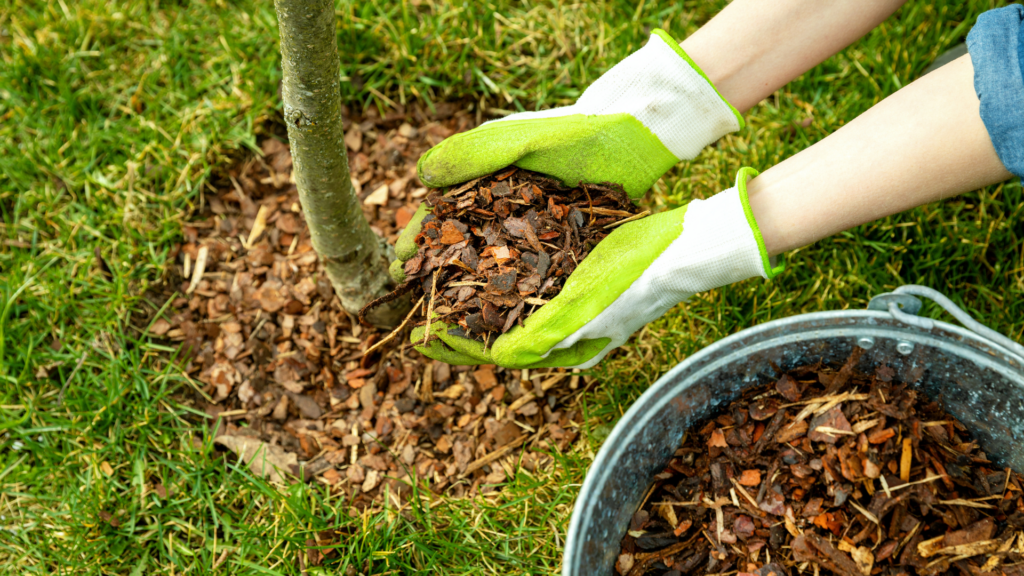
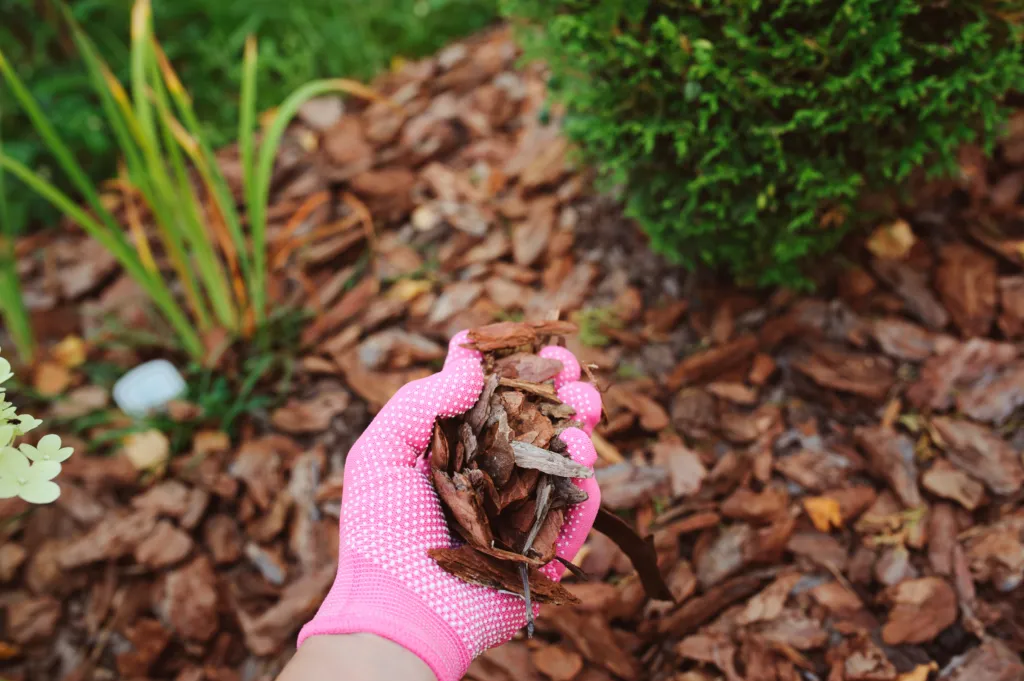
By late fall, when the trees are dropping leaves like crazy, mulching might not keep up. That’s your sign to mix things up. Rake some for compost or use them as mulch on your flower beds.
Before the first frost or snowfall, aim to complete a final leaf cleanup. Any leftover leaves can get compacted under the snow, turning into a soggy mess by spring that’s difficult to remove and harmful to your lawn.
Benefits of Mulching Leaves for Your Lawn & Environment
Mulched leaves are a huge boost for your soil. As the chopped-up pieces break down, they feed way more than just your grass. Earthworms, fungi, and all kinds of tiny soil critters dive in for a feast. While they’re at it, they loosen up the soil, help it soak up water, and make the entire root zone healthier.
These bits of cut-up leaves also help fight weeds. That thin layer of leaf mulch blocks sunlight from reaching weed seeds, helping suppress troublemakers like dandelions and crabgrass. Cover up the bare patches, and you seriously cut down on new weeds.
Let’s not skip the environmental angle. Dumping yard waste in landfills just takes up space and pumps out planet-harming methane. However, if you mulch your leaves right into your lawn, you stop that waste from ever leaving your property. It even keeps leaves out of storm drains and stops phosphorus from running downstream to local water sources.
6 Steps to Mulch Leaves With Your Mower
Ready to give it a shot? Here’s how to nail it. You don’t need a special mulching mower. Regular ones work if the blade’s sharp and you take your time.
- Pick the right day. Dry leaves are your friend. If they’re soggy, they clump, gum up your mower, and don’t chop well. Wait for a sunny, crisp afternoon.
- Set the mower to your usual fall height. Don’t scalp the grass.
- Take off the bag. Remember, you want the chopped leaves to land back on the lawn.
- Go slow. First pass, move at a relaxed pace. You’re trying to shred the leaves, not just mow your grass.
- Stop and check your work. If the chopped bits are bigger than a dime or the leaves still cover more than half the grass, go over it again. However, this time go at a right angle to your first pass. Two rounds will usually do the trick.
- Know when to quit. If you end up with a heavy mat, don’t force it. Rake up the extra and toss it on your garden beds.
Not sure how many leaves become too much to mulch? Four to six inches of loose leaves is usually fine if you chop them up well. Trust your eyes and feet. If the lawn feels squishy and you can’t see much green, it’s time to stop.
And be sure to stay on top of it as best you can. During peak season, you’ll probably need to mulch once or twice a week. It’s way easier to handle a little at a time than to tackle a mountain of leaves all at once.
Troubleshooting Common Problems
Lawn Looks Patchy or Smothered After Mulching
You probably mulched too much, too fast. Rake up the thickest clumps, raise your mower height next time, and spread out your mulching sessions.
Fungal Issues or Snow Mold in Spring
A thick mat of leaves trapped under snow can promote snow mold. The fix is preventive, so you’ll need to do it now: Mulch more frequently and avoid letting a heavy layer sit as winter sets in.
Mower Clogging or Struggling
You’re likely tackling a layer of leaves that’s too deep or damp. Try smaller sections, go slower, or use a leaf blower to spread the pile out before mowing over it.
FAQs About Mulching Leaves Into Your Lawn
There’s Mulch to Do!
Mulching leaves in your yard is part of a great lawn care routine. Instead of hauling leaves away, you’re putting them to work. You save time, your lawn gets healthier, and you give the environment a hand. It’s a win all around.
Want to take your lawn care to the next level? Reach out to the team at Fairway Lawns. We proudly serve seven states and dozens of communities, ensuring high-quality lawn care and pest control services across the South: