Maintaining a lush, green lawn requires consistent care and attention, but even the healthiest lawns can fall victim to pests like grubs. Grubs are the larvae of beetles and can cause significant damage to your lawn by feeding on grass roots. Understanding how to identify and treat grub infestations is crucial for maintaining a vibrant, healthy yard.
Grubs are particularly harmful because they feed underground, often going unnoticed until the damage becomes severe. Symptoms of a grub infestation include patches of dead grass that easily pull away from the soil and an increase in the presence of birds or other animals digging in your lawn. Early detection is essential for effective treatment and to prevent extensive damage.
At Fairway Lawns, we specialize in providing professional products and services that ensure your lawn remains beautiful and healthy. Our tailored approach to grub control includes both preventive measures and targeted treatments to address existing infestations. We use the latest, eco-friendly solutions to protect your lawn while minimizing environmental impact.
What Are Grubs?
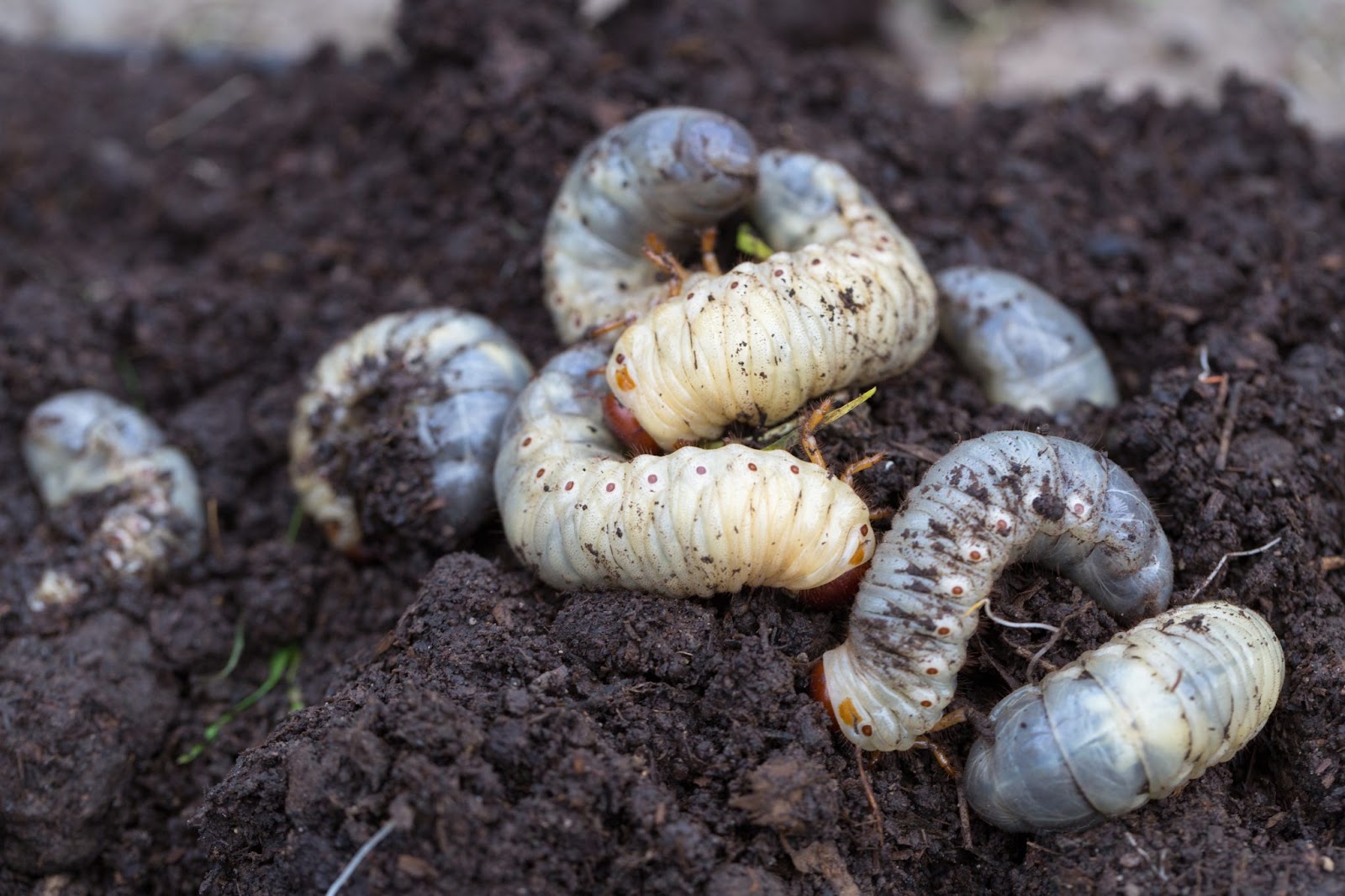
Grubs, also called grub worms, white grubs, or lawn grubs, are the larvae of scarab beetles, a large family that includes Japanese beetles, June bugs, and European chafers. Several of these species produce lawn grubs that look nearly identical, so it’s often hard to tell them apart without close inspection.
Most grubs are creamy white with a brown head and a plump, C-shaped body. They have three pairs of short legs, six in total, near the front of the body, and typically measure about ½ to 1½ inches long, depending on the species and how far along they are in their growth. They live just below the soil surface, where they feed on the roots of grass and other plants, which is what makes them so damaging to lawns.
What Are the Signs of Grub Infestation?
Identifying a grub infestation early can save your lawn from significant damage. Here are some common signs to look for:
Patchy, Dead Grass
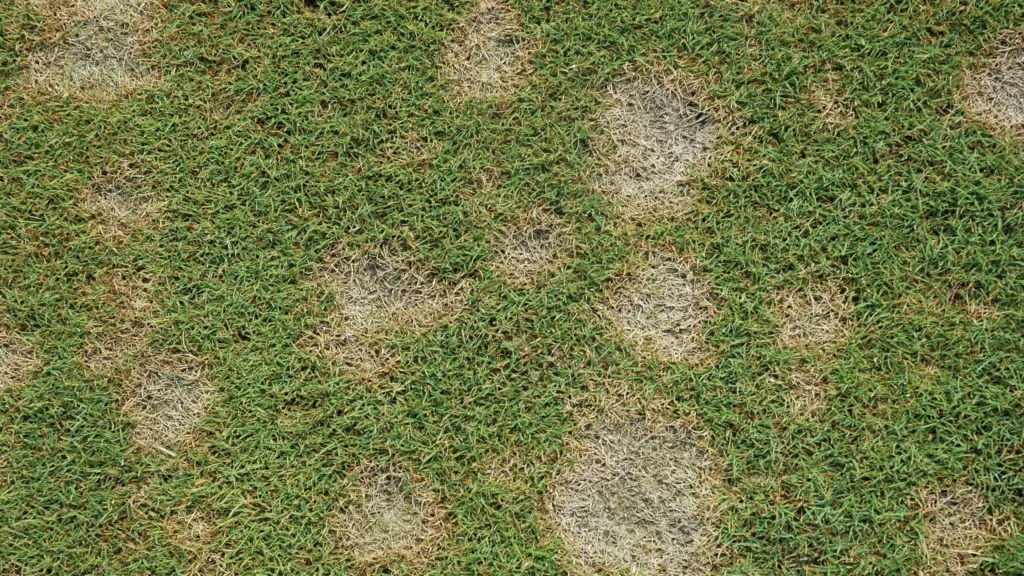
One of the first signs of a grub infestation is patchy, dead grass. These patches can appear suddenly and often take on an irregular shape. The grass in these areas pulls up easily, revealing the grubs underneath. If you notice these patches, it’s time to check the soil for grubs.
Adult Beetle Activity
You may notice grub trouble initially above ground. Adult beetles, such as Japanese beetles and June bugs, are most active in summer, and heavy beetle activity around your lawn can signal egg laying. Female beetles burrow into the soil to lay their eggs, and those eggs hatch into the grubs that will feed on your turf’s roots later in the season. Understanding this grub lifecycle helps you catch problems before the damage shows.
Increased Animal Activity
Birds, raccoons, skunks, and other animals love to feed on grubs. Increased animal activity, such as digging or pecking in your lawn, can be a clear indicator of a grub problem. If you see more animals than usual digging up your yard, it’s likely they’re after the grubs.
Spongy Turf
A grub-infested lawn often feels spongy underfoot. This happens because grubs feed on the roots, loosening the turf. When you walk on a grub-infested lawn, it may feel soft or springy. This is another sign that you should investigate for grubs.
Activity Near Outdoor Lights
Another early clue is a swarm of beetles gathering around porch lights and other outdoor lighting at night. Many adult beetles are drawn to light, so if you see a few at night, you might have a large local population. Keep in mind that seeing lots of beetles doesn’t automatically mean you have a grub infestation. Adults can travel in from neighboring yards, and not every egg survives to become a damaging grub. Still, heavy beetle activity is a good reason to monitor your lawn closely and consider a preventive treatment before the grub lifecycle reaches its most destructive stage.
How Grubs Damage Your Lawn
Grubs cause damage by feeding on the roots of grass, which can lead to dead patches and weakened turf. Over time, this feeding can create large dead areas in your lawn. Because they eat the roots, the grass can no longer absorb water and nutrients effectively, causing it to turn brown and die.
The impact of grubs on your lawn depends on how many there are. A small number might not cause noticeable damage, but a large grub population can destroy your lawn. It’s essential to identify and treat grub infestations as soon as possible to prevent extensive damage.
Testing for Grubs
Testing for grubs is simple and can help confirm whether you have an infestation. Remember that finding a grub or two isn’t the same as having a problem. Here’s how to test for grubs and interpret the results.
The Digging Test
Pick a few areas of your lawn where you think there might be grubs. Use a shovel or spade to cut a square piece of turf about one foot on each side, then peel it back and check the soil and root zone for grubs. Count what you find to get your grubs per square foot.
The Carpet Test
Grub-damaged turf often has severely damaged roots, so it may lift like a loose carpet. Grab a handful of affected grass and tug gently. If it pulls or peels back easily, with little to no root system holding it in place, grubs may be to blame. Healthy turf stays firmly anchored.
Visual Inspection
Walk your lawn and look for areas that appear more damaged than others. Pay close attention to spots with dead grass, spongy turf, or increased animal activity, then inspect those areas carefully for grubs near the surface.
Does Brown Grass Mean Grubs?
There are lots of reasons for brown or thinning grass. Grub damage, fungus, drought stress, lawn disease, compaction, and other lawn pests can look surprisingly similar from a distance. The difference is in the roots.
With drought stress or lawn disease, the roots are usually still intact, while grub damage leaves them chewed and weak. Another clue is that watering may not revive wilted, grub-damaged turf, because the damaged roots can no longer take up water.
Are Animals Digging Up Your Yard?
Skunks, raccoons, birds, and moles may tear up a lawn to feed on grubs, but they also dig for earthworms and other insects. Treat digging as a reason to investigate, not as 100% confirmation. An actual soil inspection and grub count will give you a real answer.
Making Sense of Your Grub Count
A few grubs can live in an otherwise healthy lawn without causing noticeable harm. Healthy, deeply rooted turf can tolerate more feeding than you might expect. So here’s how to think about your results:
- Low counts: A small number of grubs per square foot is common and may not call for treatment. Keep an eye on the area and maintain good lawn care.
- Borderline populations: Counts near the treatment threshold, often cited as around five grubs per square foot, are worth watching closely, especially if your lawn is under stress.
- Damaging populations: Counts above the treatment threshold usually mean the grubs are feeding faster than your turf can recover. This is a damaging population, and you need to take action ASAP.
Keep in mind that the threshold isn’t one-size-fits-all. Stressed, thin, or drought-damaged turf may show damage at much lower grub counts, since it has fewer healthy roots to spare.
Check Several Areas
Grub populations are often clustered instead of evenly spread out. One shovelful with no grubs doesn’t clear your whole lawn, and one with a high count doesn’t mean every area is affected. Test several spots, including both damaged and healthy-looking areas, and compare your results for a more accurate picture.
If your counts are borderline or high, or you’re not sure what you’re seeing, a professional lawn inspection can confirm the cause and recommend the right next step.
What Are Some Professional Treatment Options for Grubs in Your Lawn?
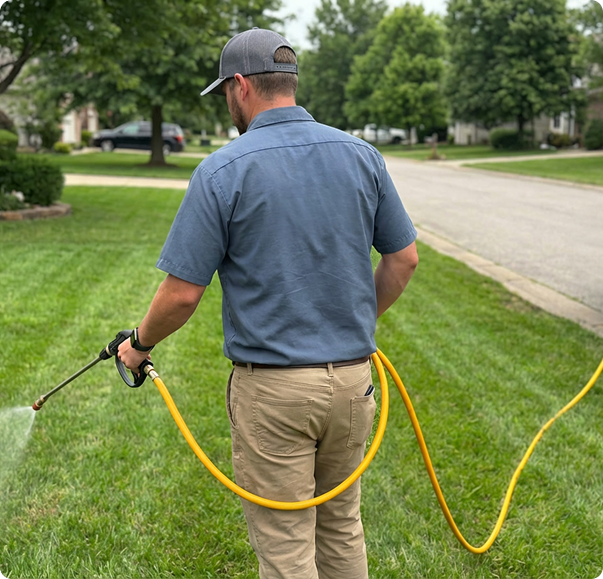
When it comes to treating grub infestations, professional services are often the most effective solution. At Fairway Lawns, we offer various treatments designed to eliminate grubs and restore your lawn’s health.
Targeted Insect Control
Professional insect control treatments specifically target grubs while minimizing harm to beneficial insects and the environment. Our experts can identify the most effective treatment plan for your lawn, ensuring the grubs are effectively eliminated.
Preventive Measures
In addition to treating existing infestations, preventive measures can help keep grubs at bay. Regular lawn maintenance, proper watering, and balanced fertilization can create a healthy environment that is less attractive to grubs. Professional services often include preventive treatments to keep your lawn grub-free year-round.
Benefits of Professional Lawn Treatment
Choosing professional lawn treatment for grub infestations offers several benefits:
Expertise and Knowledge
Professionals bring expertise and experience in identifying and treating grub infestations. They can accurately diagnose the problem and recommend the best course of action.
Effective Solutions
Professional treatments are often more effective than DIY methods. Experts use advanced products and techniques to ensure grubs are thoroughly eliminated without causing harm to your lawn.
Long-Term Results
With professional treatment, you can achieve long-term results. Preventive measures and ongoing care help maintain a healthy, grub-free lawn, reducing the likelihood of future infestations.
Preventing Future Grub Infestations
Preventing future grub infestations involves maintaining a healthy lawn and using preventive treatments. Here are some tips to help keep grubs away:
Regular Maintenance
Keep your lawn well-maintained by mowing, watering, and fertilizing appropriately. A healthy lawn is less susceptible to grub infestations.
Aeration
Aeration helps improve soil health and can make it more difficult for grubs to thrive. Regular aeration allows air, water, and nutrients to reach the roots more effectively, promoting a healthier lawn.
Monitoring and Inspection
Regularly inspect your lawn for signs of grubs and other pests. Early detection is key to preventing extensive damage.
Understanding the lifecycle of grubs is essential for timing your treatment effectively. Most grubs are the larvae of beetles, and their lifecycle typically begins in the summer.
Spring
In spring, grubs come out of hibernation and start feeding on grass roots again. This is an important time to monitor your lawn closely. If you missed grubs in the fall, you might spot signs of damage now. However, spring is usually not the best time for treatment because the grubs are larger and harder to kill.
Summer
During the summer, adult beetles lay eggs in your lawn, which hatch into grubs. This is when preventive treatments are most effective. Applying treatment in early summer can help stop grubs before they do significant damage.
Fall
Fall is another critical time for grub treatment. As temperatures cool, grubs begin to feed heavily on grassroots to prepare for winter. Treating your lawn in early fall can be effective in killing young, small grubs before they cause extensive damage.
The Impact of Weather Conditions
Weather conditions play a significant role in grub activity and treatment success. Grubs are more active in moist, warm conditions, which makes them susceptible to insecticides. Monitoring weather patterns can help you decide when to apply treatment for maximum effectiveness.
Rainfall
Frequent rainfall keeps the soil moist, which can encourage grubs to move closer to the surface. This makes them easier targets for treatment. Additionally, applying treatment before rainfall can help the chemicals penetrate the soil more effectively.
Temperature
Grubs are most active in warm soil conditions, typically between 60°F and 85°F. Monitoring soil temperatures can help you time your treatments accurately. While extreme heat can drive grubs deeper into the soil, making them harder to reach, moderate warmth coaxes them closer to the surface.
Soil Moisture
Moisture is a big draw for grubs. In summer, adult beetles look for moist soil to lay their eggs, and well-irrigated lawns with lush, green turf offer exactly those conditions. Beetle egg laying peaks during these warm months, and both eggs and young grubs depend on soil moisture to survive.
Summer beetle activity leads to egg laying, the eggs hatch into young grubs, and those grubs feed on turf roots through late summer and fall, when lawn damage becomes visible.
That doesn’t mean you should let your lawn dry out. Healthy turf is your best defense, so keep watering deeply and only as often as it needs. The goal is to avoid unnecessary summer overwatering, such as daily light watering that keeps the soil constantly damp. Irrigated lawns that are watered deeply and less frequently build stronger roots while making the soil less inviting for egg-laying beetles.
Environmental Considerations
When treating your lawn for grubs, it’s important to consider the environmental impact. Choosing eco-friendly treatments helps protect beneficial insects and the broader ecosystem. Here are some ways to minimize environmental harm:
Organic Treatments
Organic treatments use natural ingredients to target grubs. These options are safer for pets, humans, and the environment. Although they might take longer to show results, they offer a sustainable way to keep your lawn healthy.
Integrated Pest Management (IPM)
Integrated Pest Management focuses on using a combination of methods to manage pests, including grubs. This approach combines biological, cultural, and chemical practices to keep pest populations in check while minimizing environmental harm. Regular monitoring and adopting IPM strategies can help maintain a grub-free lawn sustainably.
Protecting Pollinators and Beneficial Insects
Part of a sound IPM approach is applying insecticide only where and when it’s needed. Broad-spectrum products can affect beneficial insects, including bees and other pollinators, not just the grubs you’re targeting. A few simple precautions help protect them:
- Mow flowering weeds first. Clover, dandelions, and other blooms attract pollinators to your lawn. Mow them down before any insecticide application so bees aren’t exposed.
- Choose targeted treatment. Avoid applying product to unaffected areas of your lawn. Treating only the zones where grub counts or damage justify it reduces unnecessary chemical use and keeps more of your lawn’s helpful insects safe.
- Watch for drift. Be mindful of drift onto nearby flowering plants, gardens, and shrubs, and skip applications on windy days.
Targeted insecticide applications can fit right in with IPM. It controls the problem while keeping your yard friendly to the pollinators and beneficial insects that make your landscape healthier.
How Do You Know a Grub Treatment Really Worked?
After applying treatment, it’s essential to monitor your lawn to ensure the infestation has been effectively managed. Here are some signs that your treatment is working:
Reduced Animal Activity
One of the first signs that your treatment is effective is a reduction in animal activity. If you notice fewer birds, skunks, or raccoons digging in your lawn, it indicates that the grub population is decreasing.
Healthier Grass
As the grubs die off, your grass should start to recover. Healthier, greener grass indicates that the roots are no longer being eaten. Over time, the previously damaged areas will fill in with new growth.
Decreased Sponginess
With fewer grubs feeding on the roots, the turf will start to feel firmer. Decreased sponginess is a good sign that your lawn is on its way to recovery.
What Are Tips for Maintaining a Grub-Free Lawn?
After successfully treating a grub infestation, taking steps to keep your lawn grub-free is essential. Consistent lawn care and monitoring can help prevent future infestations.
Regular Aeration
Aerating your lawn helps improve soil health and reduces the risk of grub infestations. Aeration allows water, nutrients, and air to penetrate the soil more effectively, promoting strong root growth and making the soil less appealing to grubs. You can use either common core aeration or liquid aeration to keep your yard healthy
Proper Watering
Watering deeply but infrequently encourages deep root growth, making your lawn more resilient. Overwatering can create ideal conditions for grubs, so it’s essential to strike the right balance. Ensure your lawn gets about one inch of water per week, typically through rainfall or irrigation.
Fertilization
Regular fertilization provides your lawn with the nutrients it needs to stay healthy and strong. A well-fertilized lawn can better withstand grub damage. Opt for balanced, seasonally appropriate fertilizers to support healthy growth year-round.
Choosing the Right Treatment for Your Lawn
Selecting the right grub treatment comes down to what’s happening in your lawn right now and where your grubs are in their lifecycle. The severity of the infestation and the type of grub matter, but timing matters most. The same product that works well in one window can fail in another.
Preventive vs. Curative Grub Control
Preventive grub control is applied before or around egg hatch, when the grubs are young and just beginning to feed. Curative grub treatment, also called rescue treatment, is used on an active infestation after damage appears and grubs are already feeding.
Young grubs are much easier to control than mature ones. They feed near the surface, they’re small and vulnerable, and they haven’t yet done serious damage to the roots. Mature grubs are larger, harder to kill, and often live deeper in the soil. That’s why waiting for visible damage makes the job tougher.
Matching the Active Ingredient to the Window
Not every product belongs in every season. The active ingredient determines when it works best:
- Chlorantraniliprole is an earlier preventive insecticide, applied ahead of egg hatch so it’s already in place when young grubs emerge.
- Imidacloprid and similar preventive ingredients work best closer to egg hatch, when young grubs are starting to feed.
- Carbaryl and trichlorfon are curative insecticides, used as rescue options once grubs are actively feeding.
Applying the right product in the wrong window can reduce effectiveness. A preventive product used too late may miss the mark, and a curative product used too early may not be necessary.
Spring treatment of large, mature grubs is also generally less effective than targeting younger grubs in summer, since older grubs are bigger, closer to pupating, and less responsive to treatment.
Why Grub Treatments Need to Be Watered In
Grubs feed underground, so the goal isn’t simply to coat the surface of your lawn. Most products need to reach the root zone, where grubs are feeding. That’s why you should water in grub treatment shortly after application. This moves the active ingredient down through the thatch and into the soil.
Soil moisture also affects where grubs are. In moist soil, they stay closer to the surface, within easy reach of treatment. When soil is extremely dry, grubs may move deeper, so avoid treating very dry soil until it has been lightly moistened. Because instructions vary by active ingredient and product, always read the label carefully. Application timing and method both affect how well a treatment works.
Chemical Treatments
Insecticides can be highly effective when the right product is applied at the right time. They must be applied correctly to avoid harming beneficial insects and other wildlife. Follow label directions closely, and consider professional help to make sure your product, timing, and method match your lawn’s needs.
Beneficial Nematodes
These are microscopic worms that prey on grubs. They’re a natural, effective option for controlling grub populations without harming the environment. Apply them during cooler temperatures, such as early morning or late evening, and make sure the soil is moist for the best results. Like other treatments, nematodes work best when they reach young grubs in the root zone, so timing matters here too.
FAQs About Grubs in Lawns
Understanding common questions about grubs can help you better manage and prevent infestations. Here are some frequently asked questions and their answers:
Exploring Treatment Effectiveness
Understanding the effectiveness of different treatments helps ensure your lawn remains healthy and grub-free. It’s important to assess the impact of your chosen treatment and adjust your approach if necessary.
Monitoring Post-Treatment
Continue to monitor your lawn after treatment to track its progress. Check for signs of new grub activity and assess the overall health of your grass. If you still see signs of grubs, consider reapplying for treatment or seeking professional help.
Evaluating Long-Term Impact
Effective grub treatment should provide long-term benefits for your lawn. Evaluate the overall health and appearance of your grass over several months to ensure the infestation has been properly managed. If grubs reappear consistently, a more intensive treatment plan may be needed.
Seeking Professional Guidance
If you are unsure about the effectiveness of your treatment or need advice on maintaining a healthy lawn, consider seeking guidance from lawn care experts. Professional services can help you develop a comprehensive plan to address grub infestations and maintain a healthy, vibrant lawn year-round.
Effects of Neglected Grub Infestations
When grub infestations are not addressed promptly, the damage can become extensive. Neglected infestations lead to severe lawn deterioration, making recovery more challenging.
Widespread Dead Patches
Uncontrolled grubs can create large patches of dead grass throughout the lawn. These patches are difficult to repair and often require reseeding or resodding. The dead grass looks unsightly and can reduce the overall health of your lawn.
Root Damage
As grubs feed on grass roots, they weaken the turf’s anchor in the soil. This results in grass that is easily pulled up with little effort. Weak root systems also make it hard for the grass to absorb water and nutrients, further impacting the lawn’s health.
Soil Erosion
Excessive grub feeding can lead to soil erosion. With the roots eaten away, the soil becomes loose and more prone to being washed away by rain or blown by the wind. Soil erosion reduces the amount of fertile topsoil, impairing the lawn’s ability to grow healthy grass.
Biological Control Methods
For homeowners who prefer a natural alternative, biological grub control can be a valuable part of a long-term lawn care plan. These methods work gradually, so they’re best for prevention and ongoing management, not as a fast fix for a severe active infestation. If damage is already heavy, start with a curative treatment and use biological options to support your results afterward.
Beneficial Nematodes
Beneficial nematodes are microscopic worms that enter grubs and release bacteria that kill them. Success depends on getting the details right:
- Correct species: Choose a species labeled for white grubs.
- Soil moisture: Keep soil moist before, during, and after application.
- Temperature: Apply when soil is mild, in the early morning or late evening, since heat and sunlight harm them.
- Storage and timing: Nematodes are living organisms, so store them as directed and apply promptly, targeting young grubs.
Results can take weeks and may vary from lawn to lawn.
Milky Spore
Milky spore is a bacterial disease that targets only Japanese beetle grubs, not other white grubs. Once grubs ingest the spores, the bacteria multiply and kill them. It can take considerable time to establish in the soil, but once it does, the spores can persist for years and help reduce future populations.
Because both options are slow, think of them as a way to build lasting resilience rather than rescue treatment. A professional can help you decide whether to use them alone or alongside other methods.
Importance of Soil Health
Maintaining healthy soil is crucial for a grub-free lawn. Healthy soil supports vigorous root growth and makes it harder for grubs to thrive.
Soil Testing
Regular soil tests should be conducted to understand its composition and nutrient levels. Balanced soil with the right pH and nutrient levels promotes healthy grass growth. Correct any imbalances by adding necessary amendments based on test results.
Organic Matter
Incorporate organic matter into your soil to improve its structure and nutrient content. Compost, well-aged manure, and other organic materials can enhance soil health, making it more resilient to pests like grubs.
Proper Drainage
Ensure your lawn has proper drainage to prevent water logging. Excess moisture can create favorable conditions for grubs. Proper grading and the installation of drainage systems can help keep your lawn dry and healthy.
Effectiveness of Preventive Measures
Preventive measures are essential to keep grub populations in check and maintain a healthy lawn.
Regular Monitoring
Keep a close eye on your lawn, especially during the peak grub seasons of early summer and fall. Regular monitoring can help you identify a potential infestation early, allowing for timely and effective treatment.
Consistent Lawn Care
Regular lawn care practices like mowing, watering, and fertilization contribute to a robust and healthy lawn. A well-maintained lawn is more resilient to grub infestations and can recover quicker if one does occur.
Beneficial Insects
Encourage the presence of beneficial insects in your lawn. Predatory beetles and parasitic wasps naturally control grub populations by feeding on them or laying eggs inside them. Plant a variety of flowering plants to attract these beneficial insects.

Costs of Grub Damage Repair
Addressing grub damage can be costly and time-consuming, especially if it isn’t handled early. Whether you can simply nurture your lawn back or need to start over depends on the condition of the roots.
Will Grass Grow Back After Grub Damage?
Sometimes it will. If the roots are only partially damaged, the turf may still recover. Grass that’s thinning or wilting but still firmly anchored can often bounce back with proper watering and fertilization, along with time and consistent care.
When roots are broken or destroyed, it’s more difficult. Dead turf that pulls up easily with no root system can’t regrow, and it usually needs to be repaired. Waiting for it to green up on its own only delays the fix and lets weeds move in.
How to Repair Grub Damage
For lawn recovery, follow this basic sequence:
- Control remaining grubs. Treat the active infestation first, or new turf will become the next meal.
- Remove dead turf. Clear away dead grass and debris so new growth has room to establish.
- Improve the soil if needed. Compost, fertilizer, and other amendments rebuild soil health and support strong new roots, especially in heavily damaged areas.
- Reseed or resod. Choose based on the extent of the damage.
Reseeding
For smaller or moderately damaged patches, reseeding is the more economical choice. It means spreading seed and keeping it consistently watered until it establishes, which can take several weeks and some patience.
Resodding
For extensive damage, resodding may be the better option. Laying pre-grown sod gives you a faster result, but it requires careful installation and regular watering, making it more labor-intensive and costly.
Soil Amendments
Healthy soil is the foundation of any successful repair. Depending on the extent of the damage, amendments may be needed to support new growth and long-term lawn health.
Not sure whether your lawn can recover or needs replacing? A professional can assess the roots and recommend the most cost-effective path forward.
Warning Signs for Immediate Action
Knowing when to take immediate action can prevent extensive damage.
Increase in Animal Activity
A sudden surge in animal activity, such as birds or skunks digging in your lawn, indicates a grub problem. These animals feed on grubs and often dig up turf to get to them. If you notice increased digging activity, inspect your lawn for grubs right away.
Brown Patches
Brown, irregular patches in your lawn suggest grub activity. Check these areas by lifting the turf to see if it pulls up easily, and examine the soil for grubs. If you find them, immediate treatment is necessary to prevent further damage.
Future Prevention Strategies
Establishing long-term prevention strategies is key to maintaining a healthy lawn.
Lawn Aeration
Regular aeration helps maintain healthy soil. This process involves creating small holes in the soil to allow air, water, and nutrients to penetrate deeply. Regular aeration also helps reduce soil compaction, making it harder for grubs to thrive.
Seasonal Treatments
Incorporate seasonal treatments into your lawn care routine. Timely applications of preventive treatments during peak grub activity seasons can prevent infestations. Ensure you follow the recommended guidelines for the best results.
Healthy Turf Cultivation
Cultivating a healthy, thick turf through proper mowing, fertilization, and watering practices can prevent grub infestations. Healthy grass competes with and suppresses grub populations naturally, reducing the risk of significant damage.
Common Myths About Grub Control
Understanding common myths surrounding grub control can help you make informed decisions.
Myth: Grubs Are Always Bad
Not all grubs indicate a severe problem. Small grub populations are common and might not cause significant damage. It’s essential to assess the extent of the infestation before deciding on treatment.
Myth: Grub Treatments Are Harmful
While some chemical treatments can be harmful if misused, many eco-friendly options exist. Research and choose treatments that effectively control grubs while minimizing environmental impact.
Myth: One Treatment Is Enough
Grub control often requires ongoing effort. Regular monitoring and preventive measures are essential. One treatment might not be sufficient for long-term control, so incorporate regular lawn care practices to keep grubs at bay.
Ensure a Healthy Lawn with Expert Care
Maintaining a lush, green lawn free of grub damage requires vigilance and the right treatment strategies. By identifying the signs of grub infestations early and employing professional lawn treatment solutions, you can prevent extensive damage and promote a healthy, thriving lawn. Understanding the lifecycle of grubs, seasonal timing for treatment, and the importance of soil health are key steps in managing these pests effectively.
Implementing preventive measures such as regular monitoring, consistent lawn care, and welcoming beneficial insects will help maintain long-term lawn health. Addressing myths about grub control and adopting a combination of biological and chemical treatments tailored to your lawn’s specific needs ensures optimal results.
For those who wish to take the guesswork out of grub control and ensure a professional touch, partnering with experts can provide peace of mind. At Fairway Lawns, our team of professionals is dedicated to helping you achieve and maintain the beautiful lawn you desire. From identifying signs of grub infestations to applying eco-friendly treatments, we are committed to delivering comprehensive lawn care solutions tailored to your needs.
Don’t let grubs ruin the investment you’ve made in your lawn. Reach out to Fairway Lawns today to schedule your lawn treatment and protect your green space from pesky grubs. Visit our website to learn more about our services and how we can help you maintain a healthy, vibrant lawn year-round.
Blog Contributor: Jason McCain
Jason McCain serves as the Huntsville Branch Manager for Fairway Lawns, with 29 years of experience in the lawn and pest industry. He holds Alabama licensing in OTPS, HPC, and WDO, along with Tennessee licensing in HRT and GPC. His professional insight is grounded in customer education, technician training, problem-solving, and decades of hands-on field leadership.