What Will I Learn About Grub Infestation in my Lawn?
- What are grubs?
- How do grubs damage my grass?
- Identify grub worms
- Signs of grub infestation in my lawn
- How to treat grub infestations in your lawn
- Benefits of professional lawn treatments for grubs
- How do you know if the grub treatment worked for your yard?
- What happens to your lawn if you neglect a grub infestation?
From Early Signs to Long-Term Solutions
Ever seen a white C-shaped worm in your soil? It was probably a grub. They’re not a pretty sight. Even worse? Without expert pest care, they destroy your lawn while keeping out of sight. By the time you notice the damage they’ve caused to your yard’s root system, it’s already too late.
Grubs are the larval stage of some beetle species in the South, including Japanese beetles, June bugs, and European chafers. These pests live beneath the surface, feeding on the roots of grass and other plants.
If left untreated, these lawn bugs can cause extensive damage to your yard. So keep reading to learn more about grubs and how to prevent them with the South’s best lawn care service!
The Lifecycle of Grubs
Understanding the life of a grub is essential for effective prevention and treatment.
- Egg Stage: Adult beetles lay eggs in the soil during summer, preferring moist, well-irrigated lawns.
- Larval Stage: Eggs hatch into grubs, which immediately begin feeding on grass roots. This is when the most severe damage occurs.
- Overwintering: Grubs burrow deeper into the soil to survive freezing temperatures.
- Pupation & Re-emergence: Grubs return to the surface to feed again before maturing into adult beetles, restarting the cycle.
Since grubs are most destructive in their larval stage, timing prevention and treatment correctly is key. However, that can be difficult since they’re hidden underground during this harmful phase.
How Grubs Damage Your Lawn
Grubs weaken your yard by eating the grass roots. Without strong roots, grass can’t survive drought, heat, or foot traffic.
Signs of Grub Damage
- Brown, dead patches. You may see grass turn brown and die in irregular spots. Typically, this happens starting in late summer or early fall.
- Loose or spongy turf: Damaged grass lifts easily like a loose carpet because the roots have been eaten away.
- Increased animal activity: Birds, skunks, raccoons, and moles dig up lawns to feed on grubs, causing even more destruction.
- Drought-like symptoms: Even with adequate watering, grass may wilt because grubs have severed its root system.
Why Grub Damage Worsens Over Time
Unfortunately, grub infestations escalate each year. Adult beetles return to lay more eggs, increasing the population. Eventually, the lawn may require complete reseeding or sod replacement, which is a costly and time-consuming process. However, this only happens if the problem is left untreated.
How to Confirm a Grub Problem
Not sure if you have grubs? After all, fungal disease or drought stress can mimic grub damage. To be certain, do the following.
The Simple Grub Test
- Select a suspect area. Choose a section where grass is brown or spongy.
- Cut a one-foot square patch. Use a shovel to remove a small section of turf (about 2-3 inches deep).
- Inspect the soil: Look for white, C-shaped larvae.
If you see any grubs, contact your local lawn care experts as soon as possible. It’s recommended to treat the problem quickly before it becomes a more severe infestation.
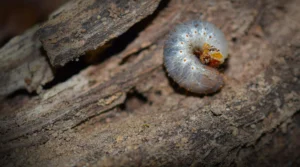
Remember, early detection is best. This allows for more effective and less costly solutions.
Preventing Grub Infestations
So what’s the best defense against grubs? In short, a healthy, well-maintained lawn. Here’s how to make your yard less inviting to these common bugs in Alabama, Arkansas, Florida, Oklahoma, Tennessee, Georgia, and South Carolina.
1. Proper Lawn Maintenance
- Mow at the right height. Keep grass at 3-4 inches to encourage deep root growth.
- Avoid overwatering. Beetles prefer moist soil for laying eggs. Water deeply but infrequently.
- Fertilize strategically. A balanced fertilizer schedule strengthens grass against pests.
2. Aeration
Compacted soil encourages grub activity, but aeration can solve this problem. Core aeration (mechanical aeration) removes small plugs of soil while liquid aeration uses a specialized solution to break up hard-packed dirt. While they’re slightly different, both types of aeration:
- Improve oxygen and nutrient flow to roots.
- Disrupt grub habitats.
- Enhance water absorption.
3. Overseeding
Thick fescue grass crowds out grubs. However, it’s important to overseed at the right time.
4. Natural Predators
Encourage birds (robins, starlings) and beneficial insects (ground beetles) that feed on grubs.
Treatment Options for Grub Infestations
If prevention fails, several treatment methods can eliminate grubs.
Chemical Treatments
Preventive Insecticides (best in early summer)
- How they work: They create a protective barrier in the soil, killing young grubs before they mature.
- Application: Granular or liquid forms that can last 2-4 months.
Curative Insecticides (For existing infestations – best in late summer/fall)
- How they work: Kill grubs on contact, but require proper watering for soil penetration.
- Best for: Severe infestations needing fast results.
Eco-Friendly Solutions
For homeowners avoiding chemicals, green options include:
Beneficial Nematodes
- Microscopic worms that parasitize and kill grubs.
- Apply in early fall or spring when soil is warm (above 60 degrees Fahrenheit).
- Requires moist soil for effectiveness.
Milky Spore
- A bacteria that specifically targets Japanese beetle grubs.
- Takes 1-3 years to establish but provides long-term control.
- Safe for pets, wildlife, and beneficial insects.
Neem Oil
- A natural insecticide that disrupts grub growth.
- Best for small infestations.
Signs That Grub Treatment is Working
After treatment, monitor your lawn for improvements:
- Reduced animal digging. Fewer birds/skunks mean fewer grubs.
- Grass recovery. Brown patches regrow with proper care.
- Firmer turf. No longer spongy underfoot.
If damage continues to be an issue, a second treatment may be necessary.
Long-Term Grub Prevention Strategies
Here are some ways to help keep grubs away permanently.
- Annual aeration. Prevents soil compaction.
- Smart watering. Avoid overwatering in summer (beetle egg-laying season).
- Seasonal fertilization. Strengthens grass against pests.
- Regular inspections. Check for early signs each summer.
The Cost of Ignoring Grubs
Disregarding grubs can lead to:
- Complete lawn death. Requiring expensive sod replacement.
- Weed invasions. Bare spots invite crabgrass and dandelions.
- Animal damage. Digging animals create unsightly holes.
Keep in mind that prevention is always cheaper than a complete lawn makeover!
Act Now to Protect Your Lawn
Grubs won’t disappear on their own. Proactive measures are a must because early intervention saves time and money.
So don’t wait until your lawn is destroyed! Start grub prevention today and enjoy a lush, healthy yard year-round.
Contact your local pest care experts. We offer customized plans to keep your lawn pest-free. Call us now!
Fairway Lawns proudly serves seven states and dozens of communities, ensuring high-quality lawn care and pest control services across the South:
Huntsville AL
Birmingham AL
Jacksonville FL
Conway AR
Springdale AR
Ft Smith AR
Little Rock AR
Augusta GA
Tulsa OK
Columbia SC
Greenville SC
Charleston SC
Knoxville TN
Nashville TN
Memphis TN
Blog Contributor: Jeremy Bennett
Jeremy Bennett serves as Area Manager for the Charleston, Columbia, and Greenville Fairway Lawns locations, with 26 years of experience in the industry. He is certified in Class 3 Turf and Ornamental and Class 7A Mosquito and Pest. His professional insight comes from field leadership, customer interaction, and helping properties achieve visible lawn care results through consistent service.