As autumn gives way to winter, it's important to prepare your lawn for the colder months ahead. Proper lawn care during this transition period can make a significant difference in the health and appearance of your grass come spring. By taking the right steps, you can protect your lawn from winter damage and set the stage for a lush, green yard once temperatures warm up again.
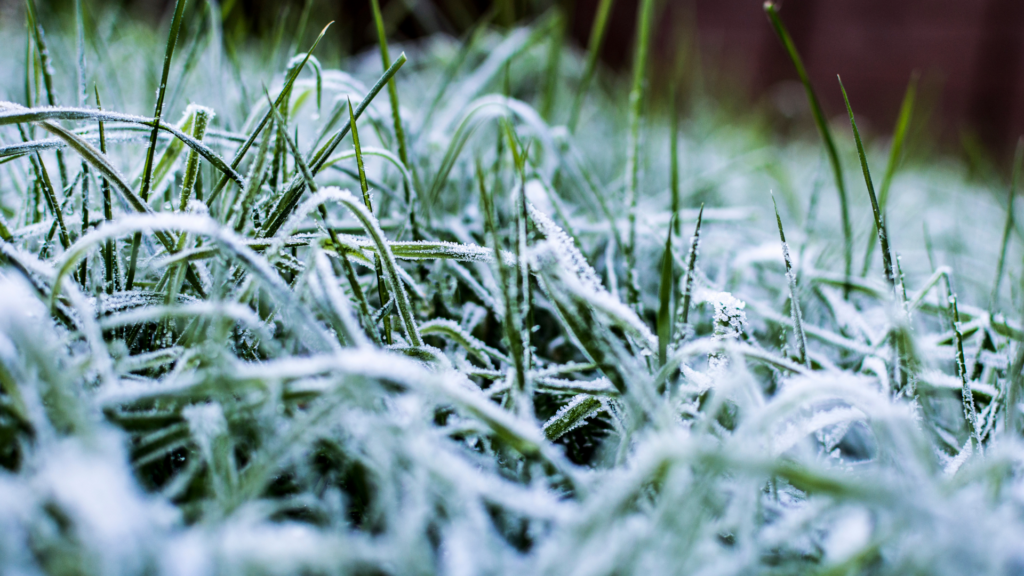
One of the key aspects of transitioning your lawn from autumn to winter is understanding the specific needs of your grass during this time. Cool-season grasses require different care than warm-season varieties, and knowing your lawn type will help you make informed decisions. Factors such as mowing height, watering schedules, and fertilization play crucial roles in ensuring your grass remains strong and healthy.
Fall is the perfect time to give your lawn a little extra attention. Activities like fertilization, aeration, and proper mowing techniques are essential to keep your grass in top condition. By implementing these practices, you can help your lawn endure the challenges of winter and emerge more vibrant and resilient in the spring.
Preparing now will save you time and effort in the long run, ensuring your lawn remains an asset to your home all year long.
Preparing Your Lawn with Fall Fertilization
Fall fertilization is crucial for the health of your lawn. This preparation helps your grass build strength for the winter and promotes healthy growth in the spring. Applying the right nutrients in the fall ensures that your lawn remains lush and green even as temperatures drop.
1. Benefits of Fall Fertilization:
- Nutrient Storage: Fertilizing your lawn in the fall encourages grass roots to store essential nutrients. These nutrients are stored over the winter and used for robust growth when the weather warms up again.
- Enhanced Root Development: Fall fertilization supports deeper and stronger root systems. Strong roots help your grass withstand winter stress and bounce back quickly in the spring.
- Disease Resistance: Healthy, well-nourished lawns are better equipped to resist diseases that are more prevalent in the colder months.
2. Best Practices for Fall Fertilization:
- Choose the Right Fertilizer: Use a fertilizer rich in phosphorus and potassium. These nutrients are vital for root development and overall lawn health. Follow the instructions on the fertilizer package for the best results.
- Timing: Apply the fertilizer in late fall, once the growing season is winding down but before the ground freezes. This gives the grass time to absorb the nutrients ahead of winter.
- Even Application: Make sure to spread the fertilizer evenly across the lawn to avoid patchy growth. Using a broadcast spreader can help achieve uniform coverage.
The Importance of Proper Mowing and Watering Techniques
Proper mowing and watering are essential to maintaining a healthy lawn as fall transitions to winter. These practices help prepare your lawn for the colder months and ensure strong growth when spring returns.
1. Mowing Tips:
- Cutting Height: Gradually lower the cutting height of your mower in the fall. Aim to keep the grass about 2 inches tall before winter sets in. Shorter grass helps prevent matting under snow, which can lead to mold and disease.
- Leave Clippings: Leaving grass clippings on the lawn can provide natural nutrients as they decompose. This practice is often referred to as "mulching." However, avoid this if the clippings are too thick and may suffocate the grass.
2. Watering Tips:
- Deep Watering: Ensure your lawn gets a deep watering once a week in the fall. This encourages deep root growth. Water in the morning to allow moisture to soak in before the cooler evening temperatures.
- Check Moisture Levels: As temperatures cool, rainfall typically increases, so adjust your watering schedule based on natural rainfall. Overwatering can be just as harmful as underwatering, leading to fungal growth and other issues.
3. Raking Leaves:
- Prevent Matting: Regularly rake fallen leaves to prevent them from smothering your grass. Thick layers of leaves can block sunlight and trap moisture, promoting mold growth.
- Compost Leaves: Instead of discarding the leaves, consider composting them. This provides a nutrient-rich supplement for your garden.
By following these mowing and watering techniques, you can help your lawn retain its health and prepare it for a strong comeback in the spring. Proper mowing keeps your grass at the ideal length, while mindful watering maintains soil moisture without encouraging disease.
Benefits of Liquid Aeration for Soil Health
Liquid aeration offers significant benefits for your lawn's soil health. Unlike core aeration, liquid aeration involves applying a soil conditioner that loosens the soil without removing any plugs. This method is less invasive and can be more effective in certain conditions.
1. Improving Soil Structure: Liquid aeration helps break down compacted soil at a molecular level. By improving soil structure, it allows air, water, and nutrients to penetrate deeper into the soil. This creates an optimal environment for grass roots to grow stronger and healthier.
2. Enhancing Root Growth: The enhanced soil conditions fostered by liquid aeration can lead to better root growth. Healthier roots mean your lawn can absorb nutrients more efficiently, leading to thicker, more vibrant grass.
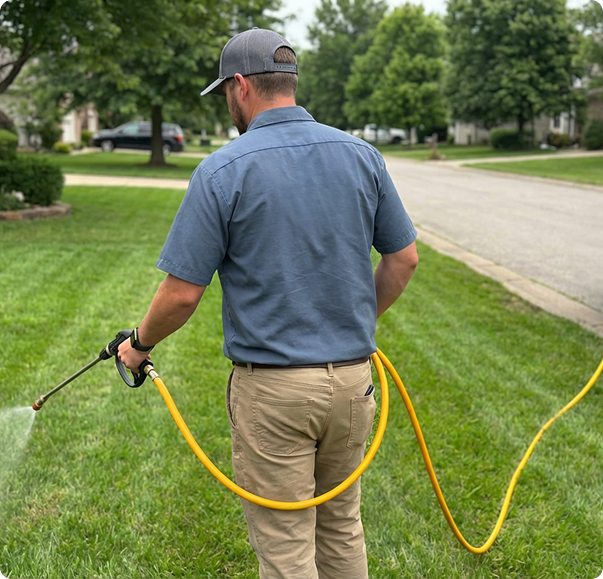
3. Quick Application and Results: Liquid aeration can be applied quickly using a simple garden sprayer. It starts working immediately, with minimal disruption to your lawn. The effects are visible rapidly, making it a convenient choice for homeowners.
By incorporating liquid aeration into your lawn care routine, you can maintain the soil's health and ensure your grass grows robustly.
Protecting Your Lawn from Winter Damage
Winter can pose several threats to your lawn, from frost damage to snow mold. Taking steps to protect your grass can help it survive the cold months and thrive in the spring.
1. Clear Debris: Remove fallen leaves, branches, and other debris from your lawn. A clean surface prevents mold growth and allows sunlight to reach the grass.
2. Continue Mowing: Keep mowing your lawn until the grass stops growing. Set your mower to a higher setting for the last cut of the season to protect the grass blades.
3. Avoid Heavy Traffic: Minimize foot traffic on your lawn during winter. Compacted snow can cause damage to the grass and hinder growth come spring.
4. Apply Winter Fertilizer: Use a winter-specific fertilizer to provide essential nutrients that help your lawn endure the winter months. This step ensures your grass has the energy to bounce back once temperatures rise.
5. Manage Snow: Be mindful of where you pile snow when shoveling. Piling heavy snow on your lawn can cause damage and create conditions for mold and disease to develop.
By following these steps, you can protect your lawn from the harsh effects of winter and keep it ready for spring renewal.
Seasonal Lawn Care: Making the Shift from Autumn to Winter
Transitioning your lawn care routine from autumn to winter is crucial for maintaining a healthy, vibrant yard. Investing time in fall fertilization, proper mowing, watering techniques, liquid aeration, and winter protection can make all the difference when the snow melts, and the growing season begins again.
Each step you take now helps ensure your grass remains strong, resilient, and ready to thrive in the spring. At Fairway Lawns, we offer professional lawn care services to help you achieve a beautiful lawn year-round. If you’re looking to give your lawn the best care possible, contact us today. Let's work together to keep your grass green and healthy through every season!.
Blog Contributor: Russell Wheeler
Russell Wheeler serves as the Memphis Branch Manager for Fairway Lawns, with 20 years of experience in lawn care and customer service. His professional perspective is shaped by team leadership, customer relationships, problem-solving, and helping homeowners achieve healthier, better-looking lawns through consistent service and strong field execution.