
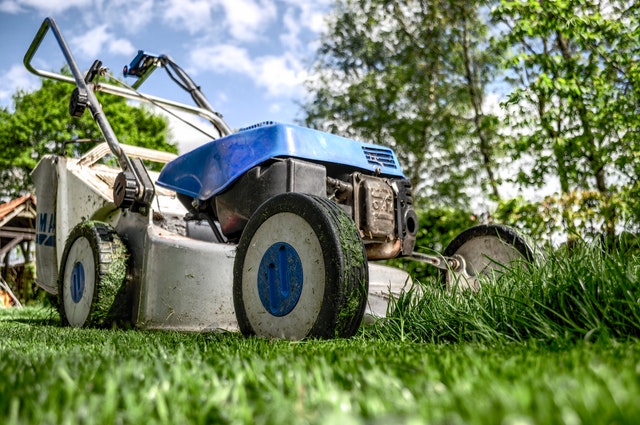
Lawn Care Equipment Maintenance In The Spring
A little bit of service and preventative maintenance can ensure that your lawnmower, string trimmer and other lawn care equipment is running efficiently and won’t break down before you place them back into storage for the winter. Gasoline powered lawnmowers should be serviced using the following simple steps:
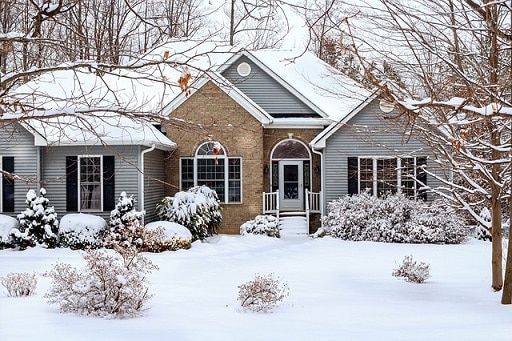
Avoid Yard Care Slip Ups In The Snow
In most cases, snow is nothing to fear in the yard – it’s a great insulator, and it melts to provide much needed water to dry plants in the cold months. However, heavy snow and ice buildup can cause devastating damage in the landscape if limbs and trunks bend or break. Here’s what you need to know about dealing with snow and ice in the yard.
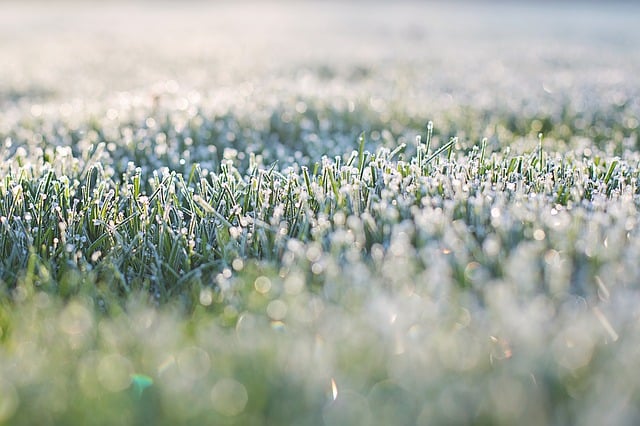
Winter Lawn Care
During the cold and freezing months avoid walking, playing, parking, and driving on the grass. When the grass is brown and short it can be easy for people to forget that it should not be walked on. Try to prevent very much foot traffic on your winter lawn. Grass is relatively resilient, but it will have a difficult time recovering if a path becomes well worn across the lawn.
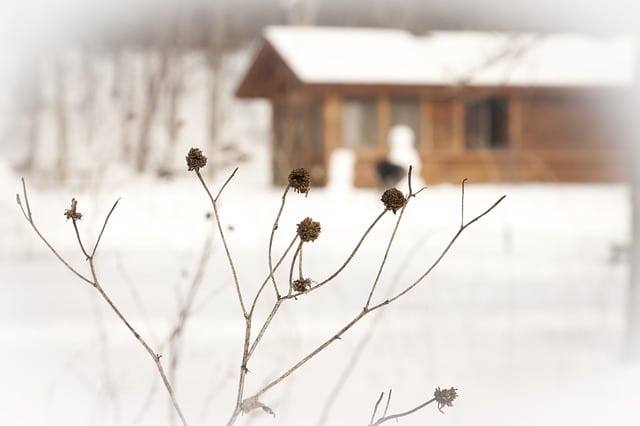
Polar Vortex Brings Cold Weather
The first day of winter doesn’t officially start until December 21st, though the upcoming weather may suggest otherwise. The so-called polar vortex, which sits over the polar region, is pushing down further south than normal in the coming days.
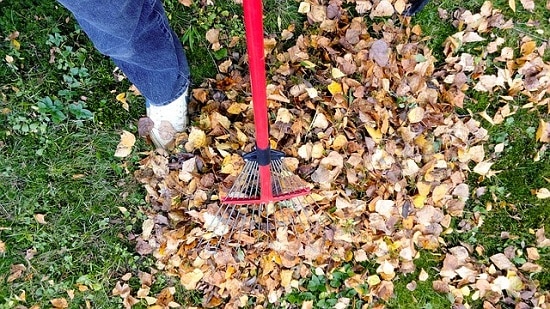
Fall Lawns & Landscaping
The first official day of Fall was September 23, though the mornings have been cool and the leaves have been changing colors for a few weeks before that date. The crisp air reminds us that the leaves will soon drop and winter is soon upon us.
Cold Temperatures May Cause Winterkill
Turf loss that occurs during the winter is known as “winterkill”. When turfgrass is exposed to extremely cold temperatures, you may notice patches in your lawn that fail to green up in the spring.